
The $6.7 Billion Question: Can BTS Reclaim Chart Dominance?
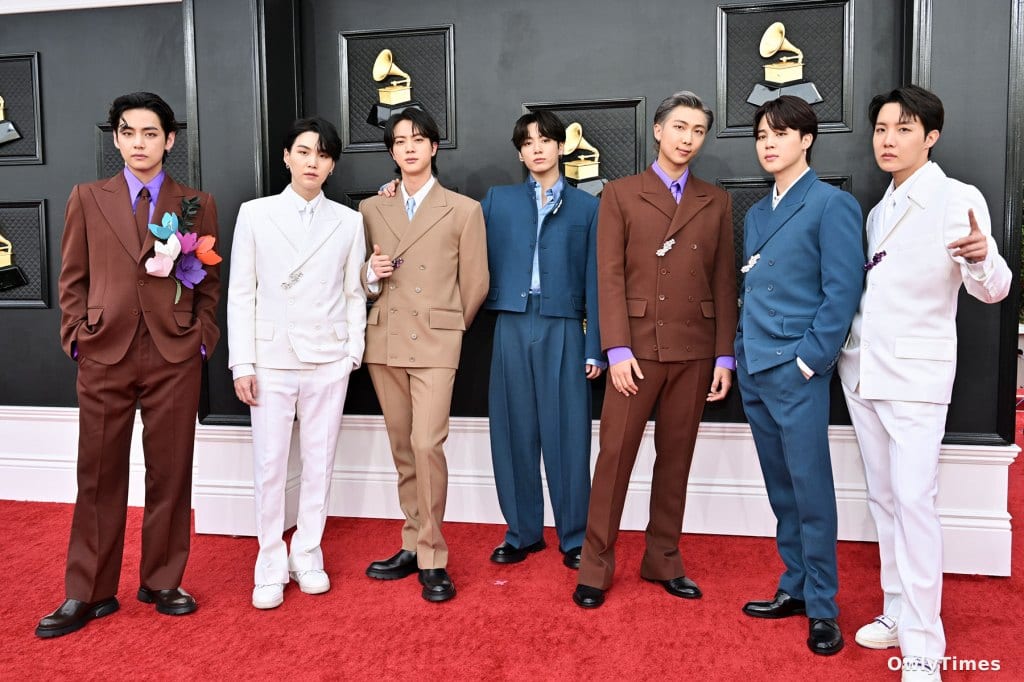
$6.7 billion. That’s the estimated economic impact BTS had on South Korea’s economy in 2023 alone, according to the Hyundai Research Institute. Now, as the K-pop group prepares for the release of Arirang on March 20th, their first full-band album in six years, the question isn’t simply whether they can top the charts – it’s whether they can sustain that economic engine after a period of mandatory military service and a shifting global music landscape. The shift in image, from the vibrant, youthful energy of “Dynamite” to the serious, suited aesthetic showcased in the album artwork, signals a deliberate recalibration, and a calculated risk.
Drawn from billboard.com.
The return of RM, Jin, Suga, j-hope, Jimin, V, and Jung Kook marks a pivotal moment for both BigHit Entertainment and the broader K-pop industry. Their absence, necessitated by South Korea’s conscription laws, created a vacuum in the global music market. While other groups like Stray Kids and NewJeans have gained prominence, none possess the established brand recognition and dedicated fanbase – the “ARMY” – that BTS commands. Arirang, named after the iconic Korean folk song symbolizing connection and reunion, is positioned as a deeply reflective work exploring identity and roots. This thematic shift, however, arrives at a time when the global music market is increasingly fragmented, with streaming services prioritizing personalized playlists over album-driven consumption.
The stakes are particularly high when considering BTS’s past performance. Their 2020 album Be debuted at No. 1 on the Billboard 200, fueled by hits like “Life Goes On” and “Dynamite.” They’ve accumulated a total of six No. 1 albums on the Billboard 200 and six No. 1 singles on the Billboard Hot 100. This level of consistent success isn’t guaranteed in a post-pandemic music world. The IFPI awarded BTS Global Recording Artist of the Year in both 2020 and 2021 – a consecutive win unprecedented in the award’s history – but maintaining that momentum requires more than just a loyal fanbase. It demands adaptation and a compelling artistic statement. The live streaming event, BTS THE COMEBACK LIVE | ARIRANG, from Gwanghwamun Square in Seoul, is a strategic move to engage fans directly and generate buzz, but its impact on album sales remains to be seen.
Follow the money: BigHit’s parent company, HYBE Corporation, saw its stock price dip 8% in late 2023 following concerns about BTS’s post-service trajectory. While the stock has partially recovered, the market is clearly sensitive to any perceived risk surrounding the group’s future. The success of Arirang isn’t just about artistic validation; it’s about reassuring investors and solidifying HYBE’s position as a global entertainment powerhouse. The album’s pre-order numbers, while substantial, haven’t reached the record-breaking levels of previous releases, suggesting a potential cooling of initial hype. This isn’t necessarily a negative indicator, but it underscores the need for sustained engagement and critical acclaim.
The mature aesthetic and introspective themes of Arirang represent a deliberate attempt to evolve beyond the bubblegum pop image that initially propelled BTS to stardom. This is a calculated move to appeal to a broader audience and establish themselves as artists with lasting cultural significance. However, it also carries the risk of alienating some of their core fanbase who may prefer the more upbeat and energetic sound of their earlier work. The tension lies in balancing artistic growth with commercial viability. Will the ARMY embrace this new era, or will they yearn for the familiar sounds of “Dynamite”?
What this means for your wallet: Expect increased competition for concert tickets and merchandise, potentially driving up prices. More importantly, watch for how Arirang impacts the broader K-pop market. If BTS can successfully navigate this new chapter and maintain their chart dominance, it will signal a continued expansion of K-pop’s global influence. Conversely, a lukewarm reception could indicate a shift in consumer preferences and a potential slowdown in the industry’s growth. The key question for investors and consumers alike is this: can BTS successfully translate their cultural capital into continued commercial success, or will Arirang mark the beginning of a new, more challenging era?