
Burnham Ascends to Downing Street Amidst Economic Headwinds and Geopolitical Strain
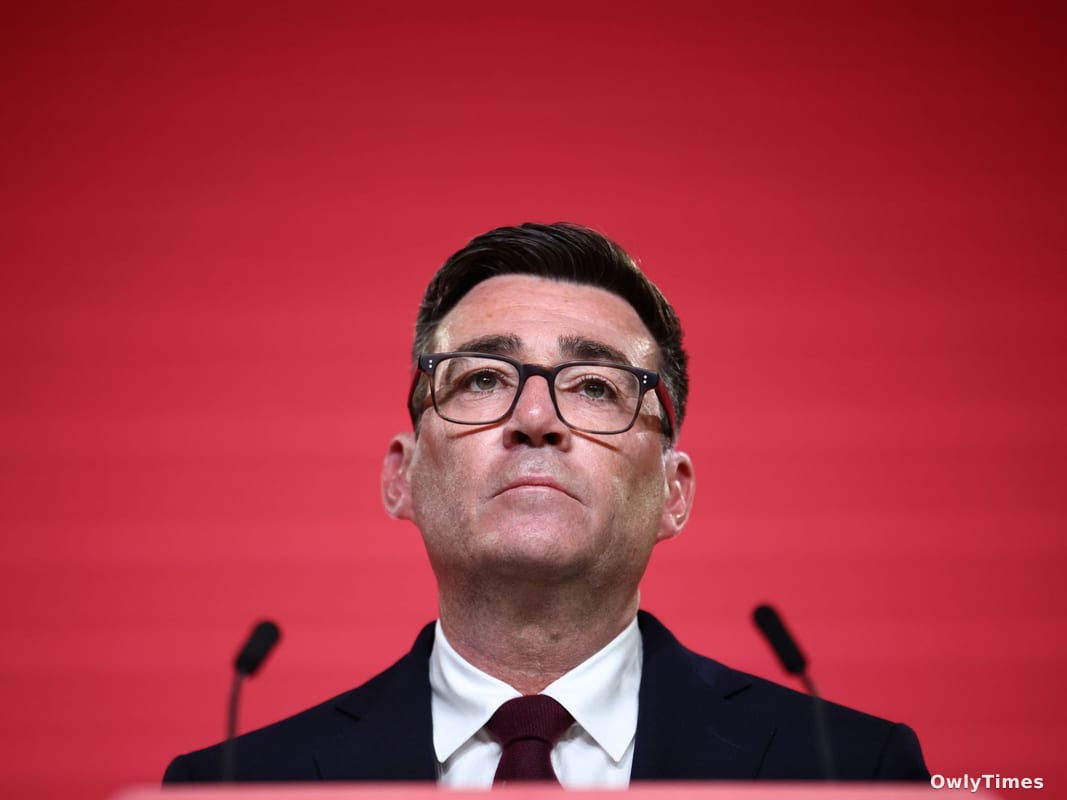
The strategic calculus behind Andy Burnham's rapid ascent to the United Kingdom's prime ministership centers on Labour's desperate need to reclaim working-class support and present a credible alternative to a fractured political landscape. Burnham, who officially takes office on Monday, July 19, 2026, steps into the role following the resignation of Keir Starmer, a move spurred by dwindling popularity and recent local election defeats that saw the right-wing Reform UK party gain traction, according to the BBC. Burnham's victory in a recent by-election for his Makerfield seat, overcoming a Reform UK candidate, signaled to many Labour MPs that he possessed the necessary appeal to reverse the party's fortunes, as reported by NPR.
Who benefits and who loses from this transition is a complex equation. Burnham and the Labour Party stand to gain if he can effectively address the deep-seated economic anxieties and perceived neglect of working-class communities that have fueled the rise of parties like Reform UK. However, he inherits an economy characterized by near-stagnant growth over two decades, a significant debt burden—with £110 billion spent on debt interest in 2025-26 alone, according to Al Jazeera—and the highest tax burden since World War II projected by the end of the decade. Conversely, those who lose are potentially the established political order, as Burnham's rise represents a significant shift, and perhaps the voters who have gravitated towards Reform UK, who may see their political momentum checked if Labour can effectively capture their concerns.
Burnham's political identity, deeply rooted in his northern English upbringing and his tenure as mayor of Greater Manchester, is central to his strategy. He champions a form of "Manchesterism," aiming to decentralize power, devolve funding to local authorities, and revitalize public services by harnessing both public and private investment. This approach, as detailed by ABC News, seeks to address the north-south divide that has long shaped British politics. His supporters point to initiatives like Manchester's fare-capped bus network as evidence that meaningful reform need not always incur massive costs. However, Anand Menon, director of UK in a Changing Europe, cautions that replicating local success at a national level will require navigating the intricate demands of the bond markets and demonstrating an awareness of the entire country, not just his former regional base.
The challenges facing Burnham extend far beyond domestic economic policy. He steps into office amidst significant international turmoil, including ongoing wars in Ukraine and the Middle East. A diplomatic dispute over the nationalization of British Steel's Scunthorpe works, a year after the government took control of the loss-making plant, has immediately strained relations with China, which has vowed legal action and accused London of undermining investor confidence. This situation, according to Al Jazeera, leaves Burnham managing a fraught relationship from day one, a stark contrast to Keir Starmer's efforts to reset ties.
Furthermore, the geopolitical landscape is heavily influenced by the United States, particularly the relationship with President Donald Trump. Anand Menon notes that personal chemistry with Trump will be crucial, especially given the UK's dependence on the US for defense and technology. Burnham has previously criticized Trump but has stated his intention to engage respectfully, while also being prepared to disagree, as he told Gary Lineker on the Goalhanger podcast. The UK's commitment to NATO and defense spending will be under scrutiny, with Trump pushing members to increase their contributions. Burnham's government may face pressure to exceed the £15 billion defense spending boost outlined by Starmer, which military leaders have deemed insufficient.
Historically, the UK has seen a rapid succession of prime ministers, with Burnham becoming the seventh in a decade, as highlighted by the BBC. This trend mirrors periods of significant political instability in other nations, where a series of leaders have struggled to navigate profound economic and social shifts. Burnham's focus on decentralization and empowering local authorities echoes broader global trends towards regional governance, but the scale of the UK's national challenges presents a unique test.
The political chess move to watch next will be Burnham's approach to fiscal policy and taxation. While he has pledged to largely adhere to Labour's pre-election manifesto, which ruled out increases in major tax rates, he has also hinted at the possibility of a wealth tax. The success of his domestic agenda, particularly in revitalizing the economy and improving public services, will hinge on his ability to generate the necessary revenue without alienating key economic actors or further burdening the average taxpayer. The market's reaction to any proposed fiscal measures, especially those impacting wealth, will be a critical indicator of his government's initial stability.