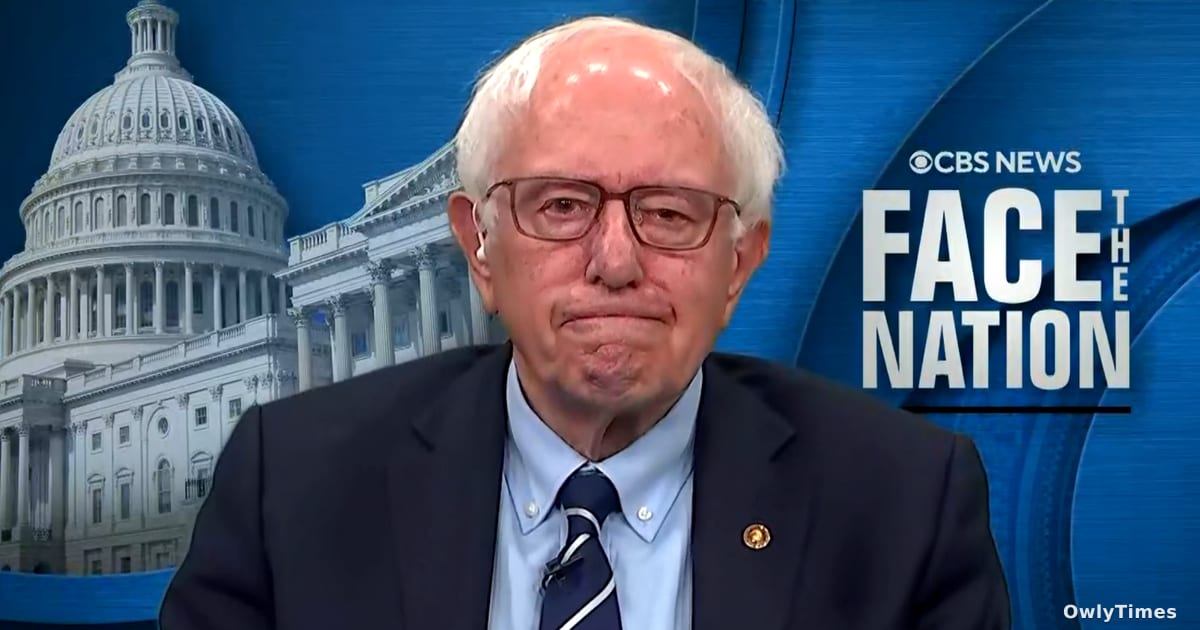

The fundamental question currently facing American fiscal and political discourse is how to reconcile the immediate, tangible costs of ongoing international conflict with the urgent demand for domestic investment. This tension was brought to the forefront on July 26, 2026, when Vermont Senator Bernie Sanders addressed the budgetary requirements for the U.S. military during an interview on "Face the Nation with Margaret Brennan."
The Fiscal Tug-of-War: Defense Spending vs. Domestic Need
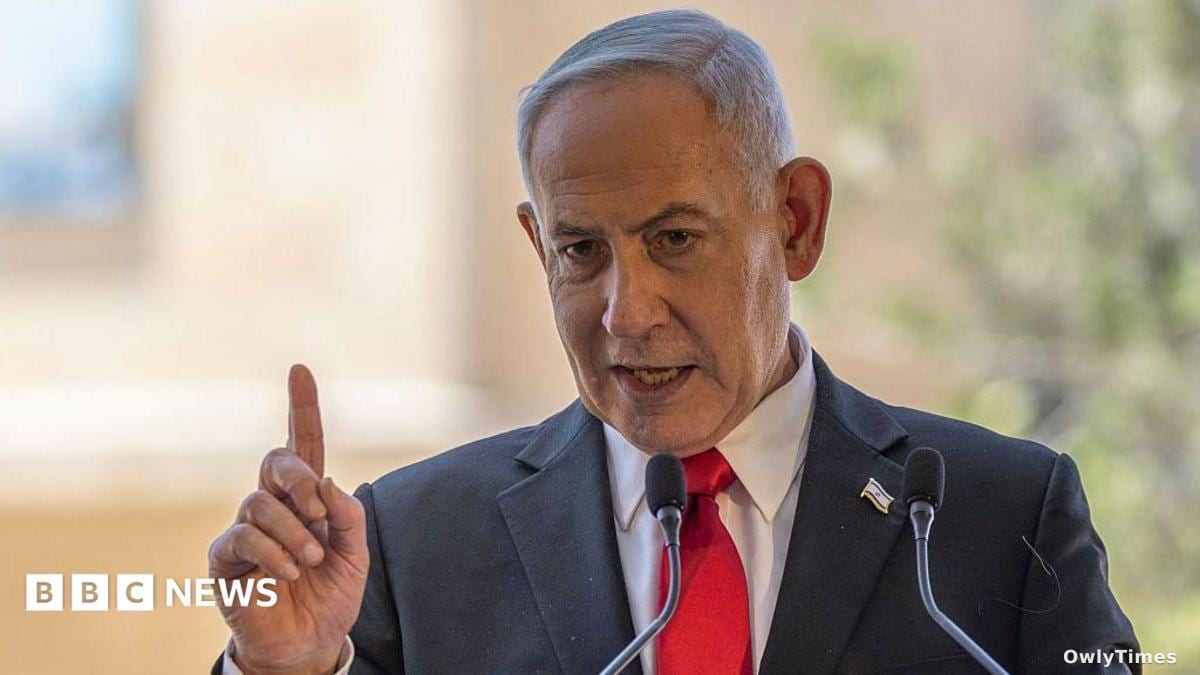
The central point of contention involves a request by Defense Secretary Pete Hegseth for an emergency allocation of $67 billion. According to CBS News, this funding is intended to support troops and replenish munitions stockpiles. Senator Sanders, however, utilized the platform to argue that these funds would be more effectively utilized addressing climate change, healthcare, and housing, characterizing the current conflict in Iran as unconstitutional.
While headlines may focus on the ideological clash, the underlying reality is a logistical debate over resource prioritization. Sanders noted that while the executive branch seeks these emergency funds, both chambers of Congress have previously passed War Powers Resolutions questioning the legality of the administration's actions. The divergence here is not merely political; it reflects a deeper struggle over the national budget as the country faces high inflation and rising energy costs.
Economic Ripples: Energy Volatility
The financial strain mentioned by Sanders is mirrored in the broader energy market. As reported by Fortune, the price of Brent crude oil—the primary global benchmark—was recorded at $97.04 per barrel as of July 24, 2026. This figure represents a notable increase of approximately $27.50 compared to the same time last year.
It is important to distinguish between market volatility and structural shifts. Fortune clarifies that while oil prices are influenced by supply and demand, they are also deeply sensitive to geopolitical instability, such as the war in Iran. The study of these trends confirms that gas prices at the pump often "lag" behind crude oil price drops, a phenomenon analysts call "rockets and feathers." While the U.S. Strategic Petroleum Reserve serves as a temporary buffer, it remains a short-term tool rather than a long-term solution to global supply shocks.
Engineering Limits and Future Exploration
The intersection of extreme conditions and operational longevity is also evident in space exploration. On July 23, 2026, NASA’s Curiosity rover captured high-resolution images of its own wheels, which showed significant cracking and wear after nearly 14 years on the Martian surface, according to Space.com.
While the photos are striking, it is essential to interpret them correctly. What the images actually demonstrate is the success of the rover’s design rather than a failure of its mission. As noted by Space.com, NASA previously stated in 2024 that the wheels were "holding up well despite taking some of the worst abuse from Mars." The engineering challenge here is one of material fatigue—a limitation that must be addressed for future, longer-duration planetary missions.
Limitations and the Path Forward
When analyzing these disparate reports—ranging from legislative budget battles to the mechanical aging of robotic explorers—a common theme of "sustainability under stress" emerges. Whether it is the U.S. economy absorbing the costs of war or a rover traversing rugged Martian terrain, the next phase of research will focus on resilience.
For Senator Sanders and his progressive colleagues, the next measurable signal will be the performance of candidates like Troy Jackson in Maine and Abdul El-Sayed in Michigan as they face the 100-day countdown to the midterms. Meanwhile, in the energy sector, observers will continue to track whether the U.S. Arctic drilling leases authorized in 2025 will eventually mitigate the supply constraints currently driving prices near the $100 per barrel mark. Understanding these cycles of resource allocation and technological endurance is vital for determining the efficacy of our long-term strategies.