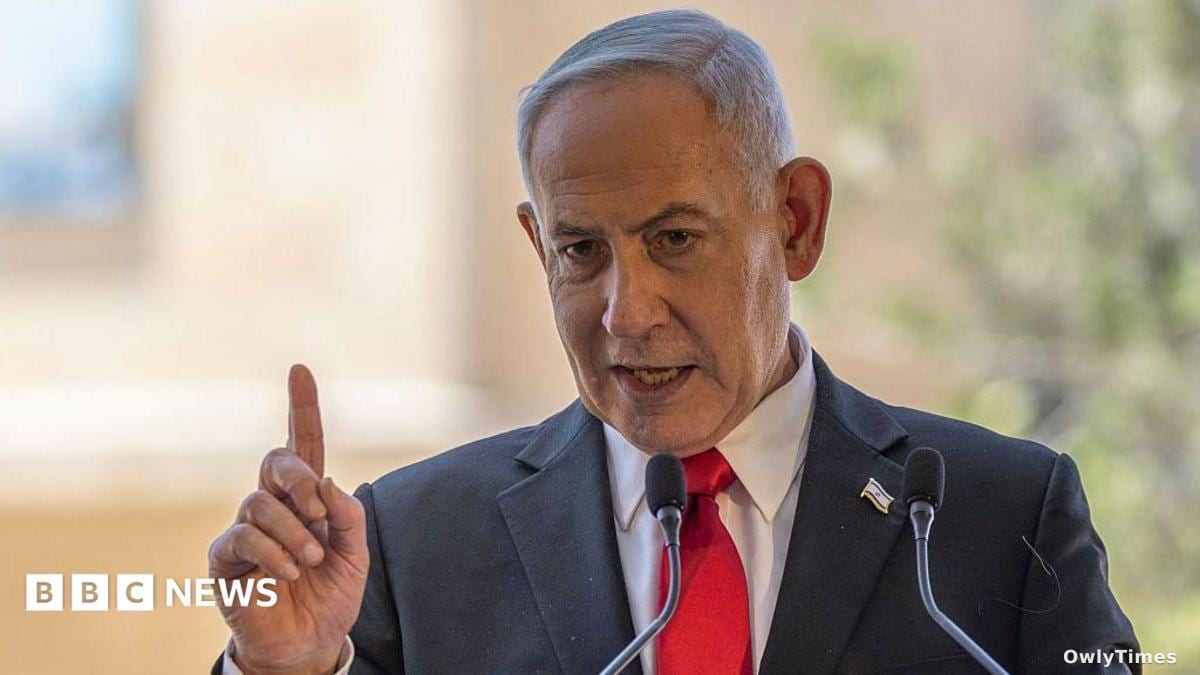
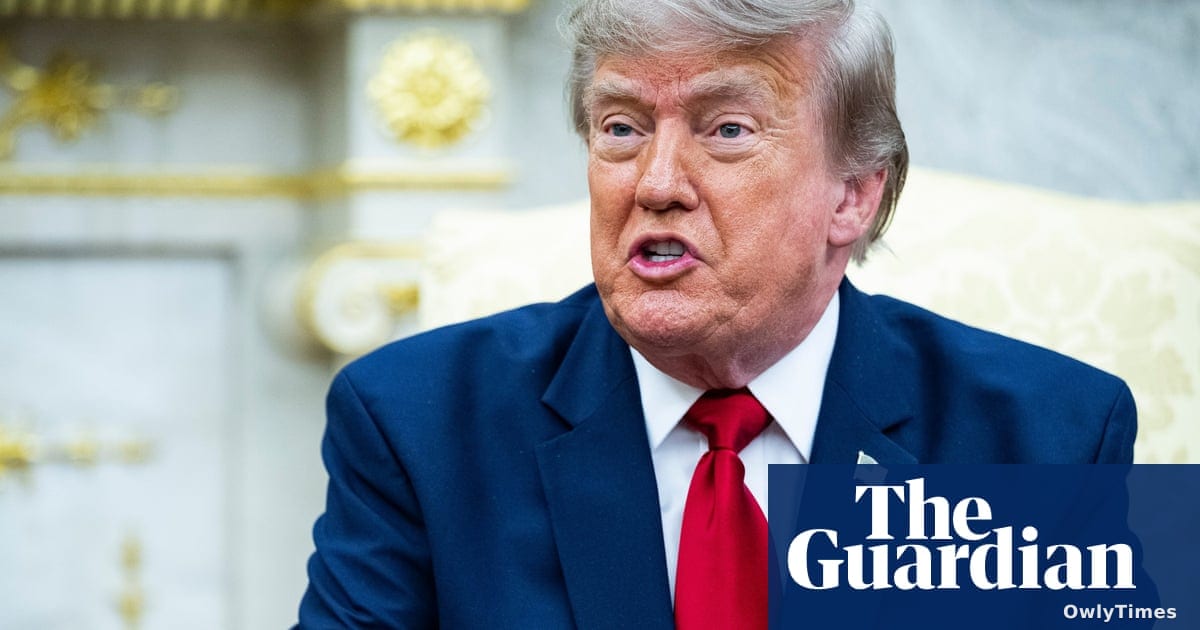
The funeral of the late Senator Lindsey Graham has transformed into a high-stakes diplomatic summit, as world leaders pivot from mourning a hawkish ally to maneuvering for influence within the Donald Trump administration. The strategic calculus is clear: with two major international conflicts in flux, the presence of Israeli Prime Minister Benjamin Netanyahu and Ukrainian President Volodymyr Zelenskyy in Washington provides a rare, compressed window to lobby the president directly. By utilizing the solemnity of a national memorial to secure face-to-face meetings, both leaders are attempting to re-establish their leverage in a volatile geopolitical landscape where U.S. policy remains prone to sudden shifts.
Who benefits and who loses in this arrangement depends entirely on the outcome of these private sessions. Netanyahu, who faces a fraying relationship with Trump, stands to lose if he cannot bridge the gap created by the president’s recent public criticism and the exclusion of Israel from previous U.S.-Iran negotiations. Conversely, Zelenskyy appears to be gaining ground; according to The Guardian, the White House’s posture toward Kyiv has recently grown more supportive, signaling a potential sea change that could isolate Russian interests. The late senator, a staunch advocate for both nations, acts as the final political bridge between these disparate interests.
The logistics of the memorial underscore the gravity of the moment. As reported by NBC News, Graham will be honored with a private ceremony in the Capitol rotunda on Tuesday morning, featuring an armed forces body bearer team. This will be followed by an invitation-only service at the Washington National Cathedral, where Trump is expected to deliver remarks. CNBC confirms that the proceedings continue Wednesday in South Carolina, where the senator’s sister and successor, Senator Darline Graham, is managing the transition while simultaneously campaigning for an August 11 primary election.
Historical precedent for this type of "funeral diplomacy" is well-established, echoing the way state funerals have long served as quiet backchannels for international relations. However, the specific friction points here are distinct. While the BBC and CNBC agree on the timeline of events, the reports differ in their assessment of the underlying conflicts. The Guardian highlights significant Pentagon concerns regarding dwindling U.S. missile stocks during the Iran conflict, whereas CNBC focuses on the broader trilateral framework involving Lebanon and the Abraham Accords. These conflicting priorities reveal a White House juggling multiple, sometimes contradictory, regional strategies.
The political chess move to watch next is the specific policy signaling from Trump following these meetings. While Netanyahu has framed his goal as safeguarding Israel’s security and expanding the "circle of peace," Trump has publicly described their alignment as having "a little difference," per CNBC. With Zelenskyy sharing intelligence on Russian support for Iranian operations, the immediate trigger to monitor is whether the administration shifts from its current pause in hostilities to a renewed, more aggressive stance on Iranian infrastructure, or if it pivots toward the peace proposals currently under discussion for the war in Ukraine.