
If we can track the exact coordinates of a smartphone from halfway across the globe, why are our security apparatuses effectively blind to the movements of a known extremist walking the streets of our own capital? The real story here isn't just the tragic failure of a specific judicial decision; it’s the growing, dangerous friction between a legal system designed for rehabilitation and a reality where bad actors treat "deradicalization" like a script they can memorize to secure their release.
The weekend’s violence at Berlin’s LGBTQ+ Pride parade, which left one Polish national dead and at least 29 injured, has ignited a firestorm across Germany. According to CBS News, the suspect, 21-year-old Abdul Ballout, was shot and killed by police on Sunday following a 24-hour manhunt. The attack involved both a vehicle ramming and a machete assault, turning a celebratory event into a crime scene that The Independent reports has since been met with defiant, grief-stricken performances by artists like Haidar Darwish.
The regulatory fallout centers on how Ballout—a man with a documented history of ISIS propaganda sharing and an attempted trip to Syria to join the terror group—was free at all. The BBC notes that in May, a Berlin court handed down a suspended sentence of one year and 10 months for "preparing a serious act of violence endangering the state." While prosecutors had appealed for a harsher term, the court opted for probation, a decision that has left officials like Berlin’s Governing Mayor Kai Wegner and Interior Minister Alexander Dobrindt openly questioning the judiciary’s judgment.
The failure appears to be a systemic collapse of oversight. Ballout was mandated to attend a deradicalization program run by the Violence Prevention Network, yet CBS News reports that the organization was days away from disqualifying him because staff had identified his cooperation as "fake." Cornelia Lotthammer, the group’s communications director, told CBS that their staff noticed the classic signs of a high-risk offender simply parroting the answers they wanted to hear. This underscores a chilling technical reality: if the security state relies on psychological screening to predict behavior, it is essentially trying to patch a software vulnerability with a social post-it note.
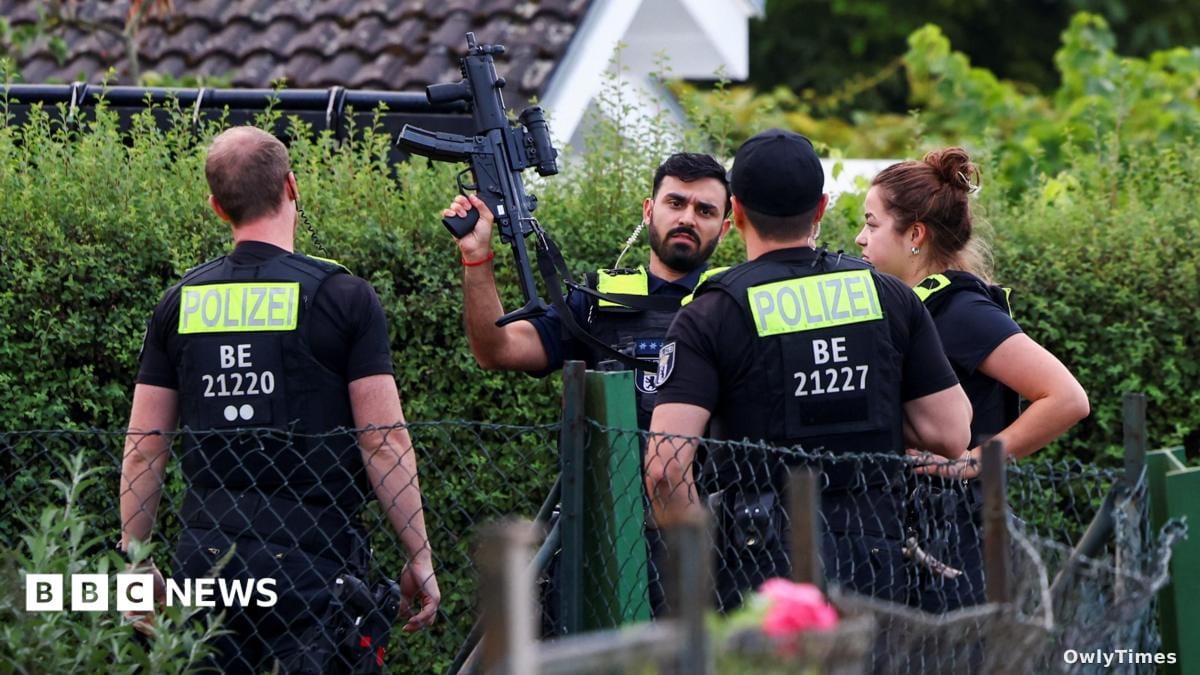
Further complicating the narrative is the timeline of police involvement. Prosecutors confirmed to CBS News that on July 3—just weeks before the attack—police searched Ballout’s home for weapons violations. They found only a toy gun and dismissed the case. While some, like the AfD’s Martin Hess, are decrying a total failure of policy, others like the SPD’s Sebastian Fiedler argue that the laws themselves are sufficient, but the application is riddled with gaps.
Chancellor Friedrich Merz has promised a review of how the state monitors individuals classified as security threats, particularly when they cannot be held in custody. The next signal of change will likely emerge from this mandated review of the law regarding monitoring jurisdiction. Until the state updates its "operating system" for tracking high-risk individuals, the gap between what authorities know and what they can actually prevent will continue to be a fatal vulnerability for the public.