
The strategic calculus behind the Democratic primary in Michigan is a classic battle for the party’s soul, pitting institutional preservation against populist insurgency. As the August 4 primary approaches, the race to replace retiring Senator Gary Peters has crystallized into a proxy war between establishment-backed moderation and progressive ideological redirection. The primary functions as a test of whether national progressive figures can override a state-level coalition of institutional power, a dynamic reminiscent of past intra-party shifts where local party apparatuses fought to maintain control against external grassroots surges.
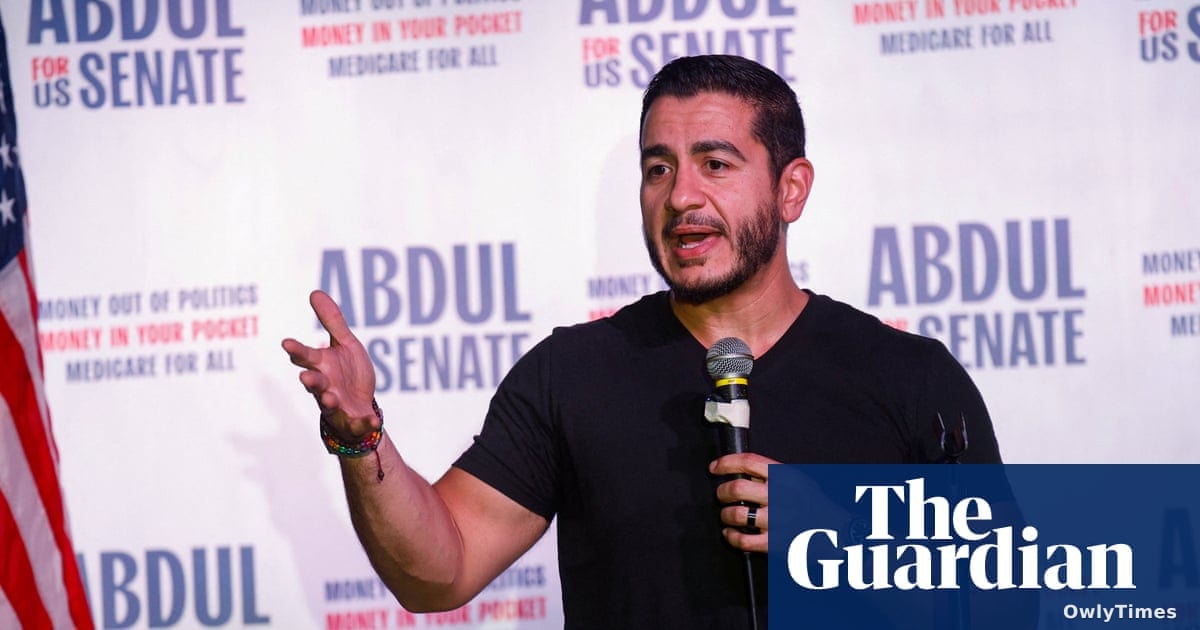
Who benefits and who loses in this landscape is defined by the sheer volume of capital flooding the state. According to CBS News, Rep. Haley Stevens and her aligned super PACs have poured over $61 million into the contest, bolstered by over $19.9 million from the American Israel Public Affairs Committee (AIPAC) super PAC, the United Democracy Project. While Stevens benefits from this massive financial firewall, the progressive challenger Abdul El-Sayed has positioned himself as the anti-establishment alternative, backed by a coalition led by Senator Bernie Sanders and Representative Alexandria Ocasio-Cortez, as noted by The Guardian.
The candidates’ clash reached a fever pitch during their final televised debate, where the rhetoric surrounding the race’s tenor took center stage. El-Sayed faced scrutiny over leaked audio—first reported by Politico and cited by both The Guardian and CBS News—in which he suggested that to make a message heard, one must "put one ogre on a pike." During the debate, El-Sayed clarified that the comment was directed at Pennsylvania Senator John Fetterman, citing Fetterman’s shift to the right and his stance on Israel, rather than his primary opponent. Stevens used the moment to pivot toward a narrative of stability, stating, "We don't need a celebrity candidate... We need somebody who is committed to six years of hard, unglamorous work."
The institutional weight behind Stevens was solidified recently by the endorsement of Governor Gretchen Whitmer. As reported by NBC News, Whitmer’s support is a calculated effort to unify the party, though it highlights the "messy" internal divisions that former aides suggested the governor was initially hesitant to enter. While Whitmer remains popular, with a 52% approval rating, the impact of her endorsement remains contested; NBC News notes that a poll conducted by the Detroit News and WDIV-TV showed the race deadlocked at 34% for each candidate, with many voters having already cast ballots by mail.
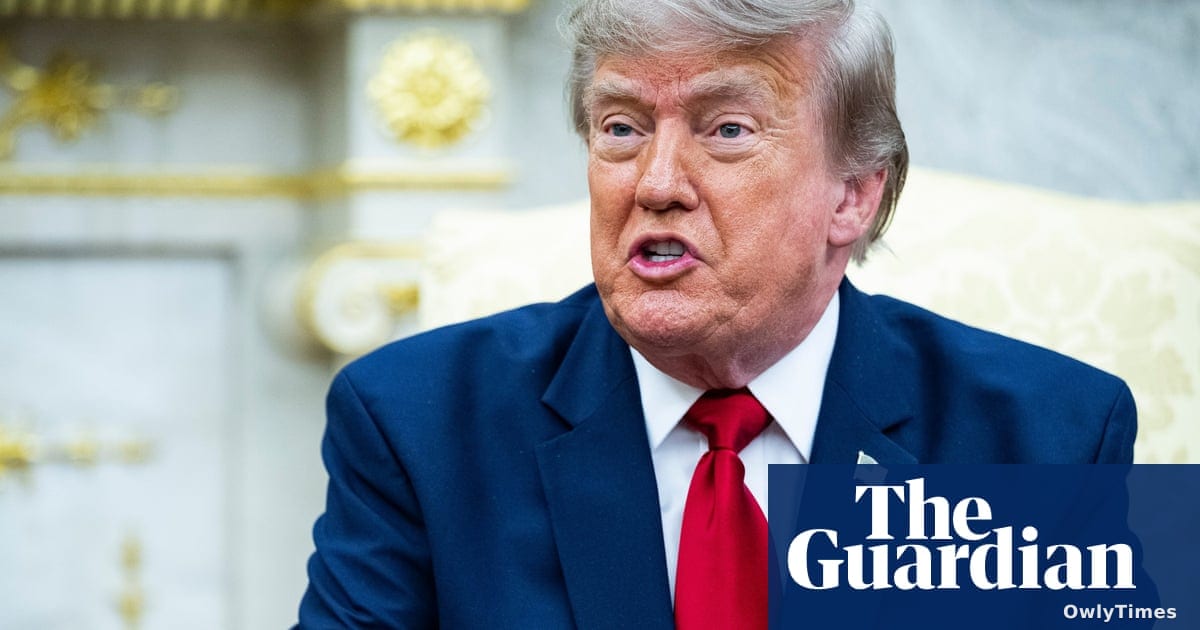
The general election stakes are amplified by the presence of former Representative Mike Rogers, who has cleared the Republican field and is actively coordinating with President Donald Trump. Both The Guardian and CBS News confirm that Rogers appeared with Trump at a rally in Milford, Michigan, positioning himself to capitalize on the expensive and bitter Democratic primary. The political chess move to watch next is the voter turnout in the August 4 primary, which will reveal whether the high-dollar establishment strategy or the progressive grassroots mobilization will secure the Democratic nomination in this critical presidential battleground.