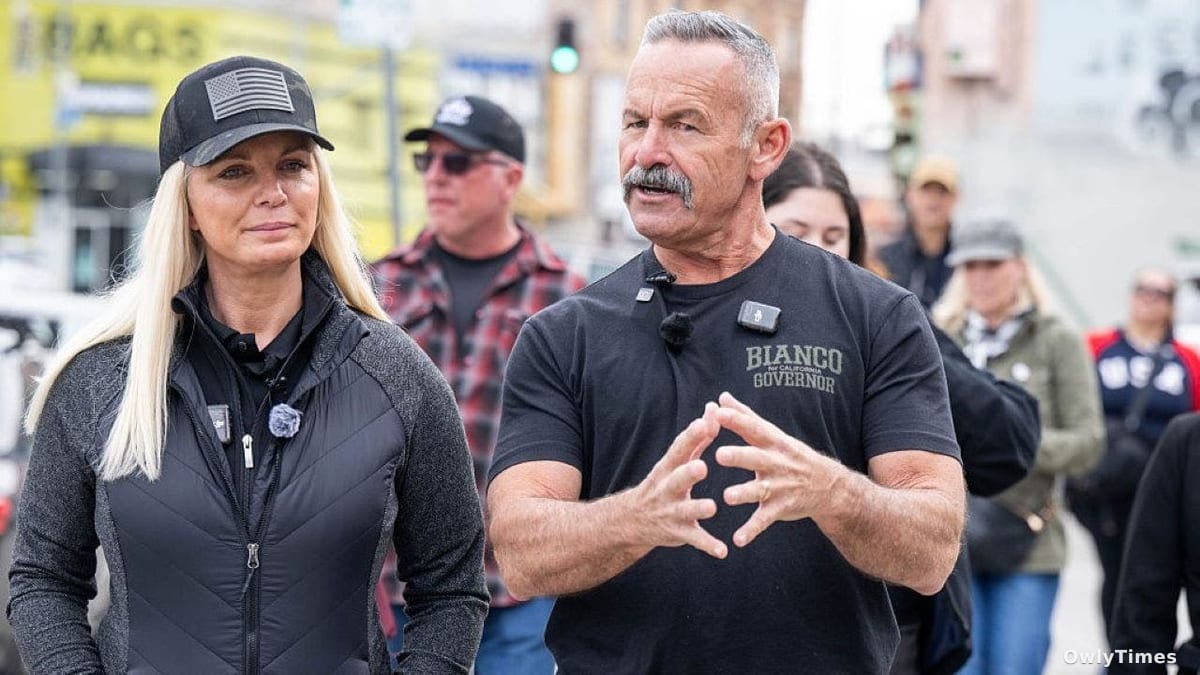

Beyond the Recount: Bianco’s Power Play in California’s Election Landscape
The seizure of over 650,000 ballots by Riverside County Sheriff Chad Bianco isn’t simply about verifying vote counts; it’s a calculated maneuver to establish himself as the leading voice of election skepticism in California, and a potent opening salvo in his bid for the governorship. While framed as a response to claims of “excess votes” regarding Proposition 50, a measure reforming congressional districts, the investigation’s timing and aggressive execution reveal a strategic attempt to capitalize on distrust in electoral processes and simultaneously elevate Bianco’s profile. The move isn’t about uncovering fraud as much as it is about appearing to challenge the system, a tactic increasingly common among ambitious Republican politicians.
This article draws on reporting from Fox News.
Proposition 50 and the Partisan Calculus
Proposition 50, approved by voters, authorized temporary changes to California’s congressional maps – a direct response to the redistricting strategies employed by Republicans in Texas. This partisan context is crucial. The claim by the Riverside Election Integrity Team of roughly 45,000 excess votes, dismissed by Riverside elections official Art Tinoco as a misinterpretation of preliminary polling logs, provides Bianco with a pretense for action. Tinoco’s clarification that initial intake logs are estimates, differing from the final tally by only 0.16% (or 103 votes), underscores the fragility of the claims fueling the investigation. Yet, the narrative of potential irregularities is enough to resonate with a segment of the electorate already primed to question election integrity, and to position Bianco as a defender of fair elections.
The Battle for Authority: Bianco vs. Weber and Bonta
The immediate backlash from Secretary of State Shirley Weber and Attorney General Bob Bonta isn’t about protecting the integrity of Proposition 50’s results; it’s about defending the established authority of state election officials. Weber’s assertion that Bianco lacks the authority to conduct a recount, and Bonta’s accusations of obstruction and “legal deficiencies” in the warrants, highlight a power struggle. Bonta’s office’s attempts to access the investigative file, met with “delay, stonewalling, and refusal to work…in good faith,” reveal a deliberate strategy by Bianco to control the narrative and limit scrutiny. This isn’t a standard law enforcement investigation; it’s a political confrontation framed as one. The fact that Bonta invoked his “supervisory authority over county sheriffs” underscores the stakes – this is a challenge to the established chain of command.
Who Benefits and Who Loses?
The immediate beneficiaries of Bianco’s actions are, first and foremost, Bianco himself. The media attention, even if critical, elevates his name recognition and reinforces his image as a conservative outsider willing to challenge the status quo. Secondly, the broader Republican party benefits from having a prominent figure actively questioning election results, potentially energizing their base. The losers are clear: Governor Gavin Newsom, whose administration is implicitly challenged, and Shirley Weber and Bob Bonta, whose authority is undermined. The long-term loser could be public trust in California’s electoral system, regardless of whether any actual irregularities are found. The narrative of a compromised election, even if unsubstantiated, erodes faith in democratic institutions.
The Next Move: Escalation or Negotiation?
The political chess move to watch next isn’t whether Bianco finds evidence of fraud – it’s whether he will escalate the conflict with Bonta and Weber. Will he continue to stonewall requests for information, potentially leading to legal challenges and further fueling the narrative of a cover-up? Or will he attempt to negotiate a compromise, perhaps agreeing to a limited review of ballots under the supervision of state election officials? The answer will reveal whether Bianco’s strategy is a genuine attempt to address election concerns, or a calculated gamble to solidify his position as the leading Republican challenger to Gavin Newsom and, potentially, a future contender for higher office. The timing of this move, coinciding with his gubernatorial campaign, suggests the latter is far more likely.