
The reversal of a key environmental finding by the Trump administration isn’t simply a policy shift; it’s a calculated re-allocation of risk, and a stark illustration of how environmental protections disproportionately benefit some communities while leaving others exposed. While headlines proclaim the rollback of the 2009 “endangerment finding” – the determination that greenhouse gases pose a public health threat – as a win for industry, the reality on the ground, particularly in places like Louisiana’s “Cancer Alley,” is far more troubling. This isn’t about debating the existence of climate change; it’s about acknowledging who bears the brunt of its consequences, and deliberately dismantling a safeguard for those already most vulnerable.
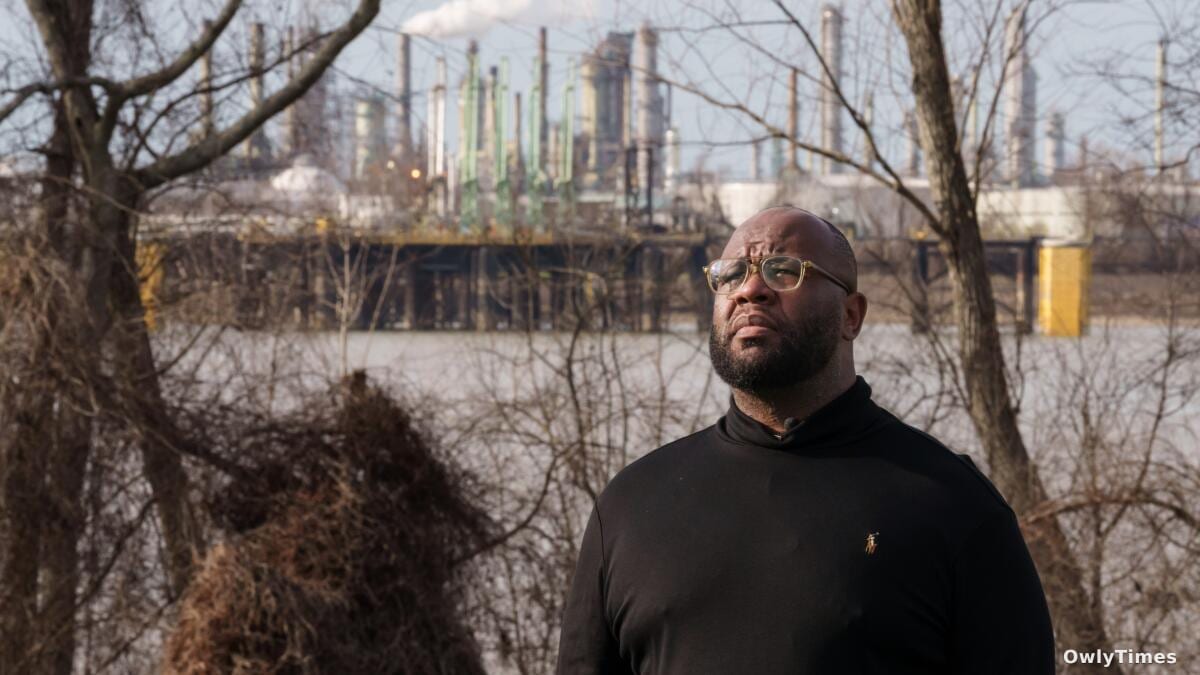
The story centers on St. John the Baptist Parish, a majority Black community roughly 30 miles outside New Orleans, and a microcosm of a larger national pattern. As Gary C. Watson Jr., a resident and activist with Rise St. James Louisiana, recounts, “Most adults in the area are attending two to three funerals per month.” This isn’t hyperbole. Cancer Alley, a stretch of roughly 170 fossil fuel and petrochemical plants along the Mississippi River, has long been synonymous with premature death and elevated cancer rates. The 2009 endangerment finding, established under the Obama administration, provided a legal basis for stricter regulations on these emissions, offering a degree of protection – however imperfect – to communities like Watson’s. To understand the significance of its reversal, we must remember that this finding wasn’t an abstract scientific declaration; it was the foundation for concrete policies aimed at reducing pollution and improving public health.
The core of the EPA’s decision, as stated by the Trump administration, is that the endangerment finding “hurts industry and the economy.” This argument, repeatedly echoed by President Trump who dismissed climate change as a “scam,” ignores the economic costs of environmental illness and premature death. It also disregards the EPA’s own 2021 report – now removed from the agency’s website – which reached the same conclusion as numerous independent studies: climate change is a public health threat. The report detailed the disproportionate impact on communities of color, finding that Black Americans are 40% more likely to live in areas projected to experience the highest rise in deaths due to extreme heat with a 3.6-degree Fahrenheit rise in global warming. Similarly, Latino communities, heavily represented in outdoor industries, face a 43% higher likelihood of labor hour losses due to heat.
Original reporting: the Los Angeles Times.
This isn’t simply a matter of statistical probability; it’s a matter of lived experience. Julia Silver, a senior research analyst at UCLA’s Latino Policy and Politics Institute, has documented how Latino communities in California experience 23 more days of extreme heat annually than their white counterparts, coupled with double the rate of poor air quality and asthma-related emergency room visits. The data reveals a clear pattern: marginalized communities are not only more exposed to environmental hazards but also have fewer resources to mitigate their effects, including limited access to healthcare. The lawsuit filed by a coalition of health and environmental groups this month underscores the legal challenge to the EPA’s decision, arguing it is “unlawful and harmful,” and Matthew Tejada of the Natural Resources Defense Council emphasizes that “overburdened communities…they will, again, suffer most from these actions.”
However, it’s crucial to acknowledge the limitations of attributing specific health outcomes solely to the reversal of this finding. Environmental pollution is a complex issue with multiple contributing factors, including pre-existing health conditions, socioeconomic status, and access to healthcare. Establishing a direct causal link between the policy change and increased illness or death will require long-term epidemiological studies. Furthermore, the impact will likely vary geographically, with communities already heavily burdened by pollution experiencing the most significant effects. Sacoby Wilson, a University of Maryland professor, predicts “statistically significant increases in excess morbidity and mortality” in communities of color, but quantifying this increase with precision remains a challenge.
The next critical step is to monitor air and water quality in vulnerable communities, particularly in areas like Cancer Alley, and to track changes in health outcomes. We need to see if the predicted increase in pollution materializes, and if so, whether it correlates with a rise in respiratory illnesses, cancer rates, and other health problems. Equally important is to examine the enforcement of existing environmental regulations. Will the rollback of the endangerment finding embolden industries to disregard existing safeguards? Will communities have the resources to challenge violations and hold polluters accountable? The answer to these questions will determine whether this policy reversal is a temporary setback or a permanent erosion of environmental justice. The question isn’t if this decision will have consequences, but where and on whom those consequences will fall most heavily.