
90 percent of Iran’s oil exports flow to a single destination, a figure that anchors China’s strategy in the Middle East and explains why Beijing’s diplomatic maneuvers are increasingly centered on the stability of the Strait of Hormuz. While the United States and Iran have effectively shuttered this critical chokepoint for seven weeks—with Iranian forces restricting traffic since February 28 and the U.S. implementing a naval blockade on April 13—Beijing is opting for a "wait and see" approach that prioritizes economic continuity over geopolitical alignment.
Follow the money, and the picture becomes clear: China is not merely acting as a neutral mediator; it is protecting a massive capital investment. According to the U.S.-China Economic and Security Commission, China remains Iran’s largest trade partner, bolstered by a 25-year “comprehensive strategic partnership agreement” signed in 2021. Simultaneously, Beijing has spent the last decade aggressively courting Gulf Cooperation Council members, including Saudi Arabia, Qatar, and the United Arab Emirates. By maintaining these concurrent relationships, Beijing is hedging against the volatility of the current conflict, aiming to preserve its position as the primary trade partner for both the U.S. and its regional adversaries.
The Cost of Nonintervention
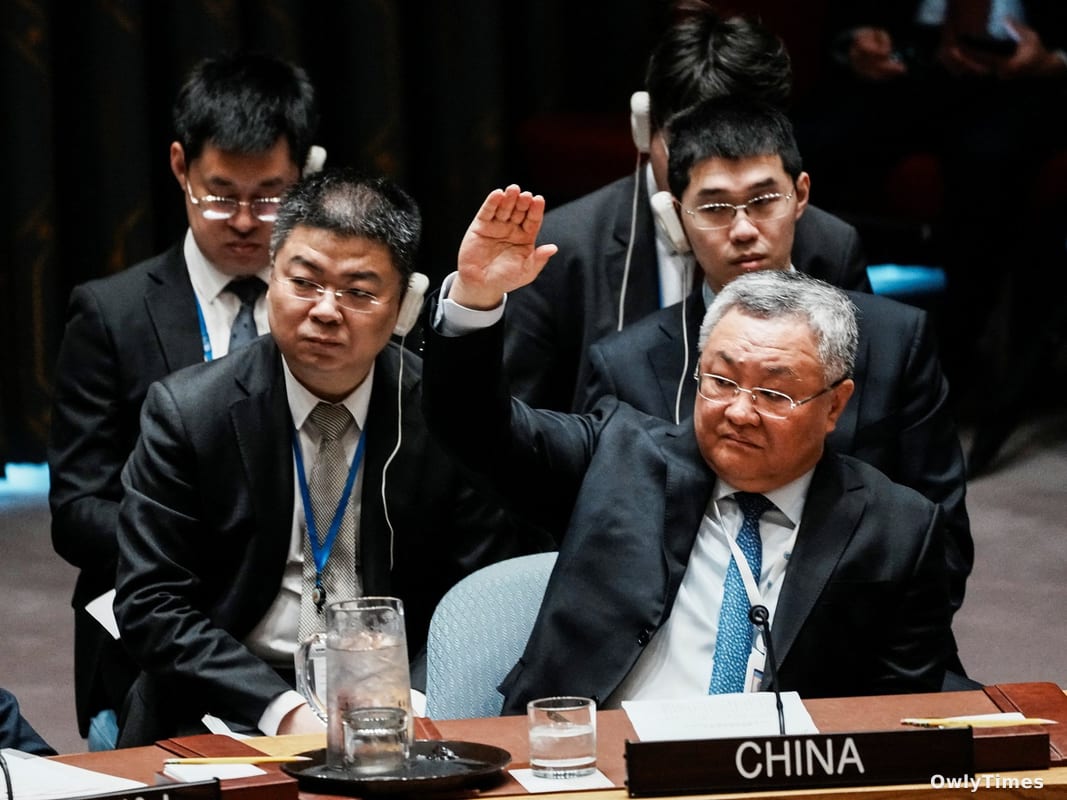
Beijing’s refusal to back a recent United Nations Security Council resolution—which sought to coordinate "defensive" efforts to reopen the Strait of Hormuz—highlights the depth of its nonintervention policy. According to Gedaliah Afterman of the Abba Eban Institute for Diplomacy and Foreign Relations, this veto was a calculated move to avoid being drawn into a Western-led security framework that could jeopardize its status as a neutral broker.
This strategy is not without significant risk. As Feng Chucheng of Hutong Research notes, more than 40 percent of China’s crude oil imports originate from the Middle East. A prolonged escalation in the war threatens to disrupt this energy lifeline to a degree that could force Beijing into a direct, and potentially costly, involvement. To mitigate this, China’s top diplomat Wang Yi conducted 26 phone calls between February 28 and the April 8 ceasefire, while special envoy Zhai Jun held nearly two dozen meetings with regional actors.
The Diplomatic Tightrope
The contrast between Beijing’s quiet diplomacy and the public posturing of U.S. President Donald Trump is stark. While Trump recently claimed on social media to be "winning a War, BY A LOT," signaling that the blockade will persist until a "DEAL" is reached, China is actively working to ensure it is not the entity underwriting the eventual peace process. Analysts like Drew Thompson of the S Rajaratnam School of International Studies suggest that China wants the benefits of a stable region without the political liabilities of being the primary guarantor of that stability.
The pressure on this delicate balance is mounting as May approaches. Jodie Wen of Tsinghua University points out that Beijing is unlikely to risk its broader trade agenda—including pending discussions on U.S. tariffs and a potential free-trade agreement with the GCC—by being seen as an active combatant. With Trump threatening 50 percent tariffs on nations that supply arms to Iran, China’s move toward "reconstruction" and "renewed investment" for the post-war landscape serves as a buffer against these fiscal threats.
For investors and global markets, the immediate takeaway is clear: do not look for a military shift from Beijing. Instead, watch the upcoming meeting between President Xi Jinping and President Trump in May. The outcome of those discussions regarding trade policy and tariffs will serve as the primary indicator of whether Beijing maintains its current "friend to all" posture or if the economic cost of the blockade forces a pivot in China’s Middle Eastern trade architecture.