
Can a brand built on the industrialization of "authenticity" survive in the very place where that authenticity is a cultural birthright? Chipotle Mexican Grill is betting that the answer is yes, but if you look at the track record of U.S. fast-food chains trying to export their own versions of local cuisine back to the source, the smart money usually bets on a spectacular crash.
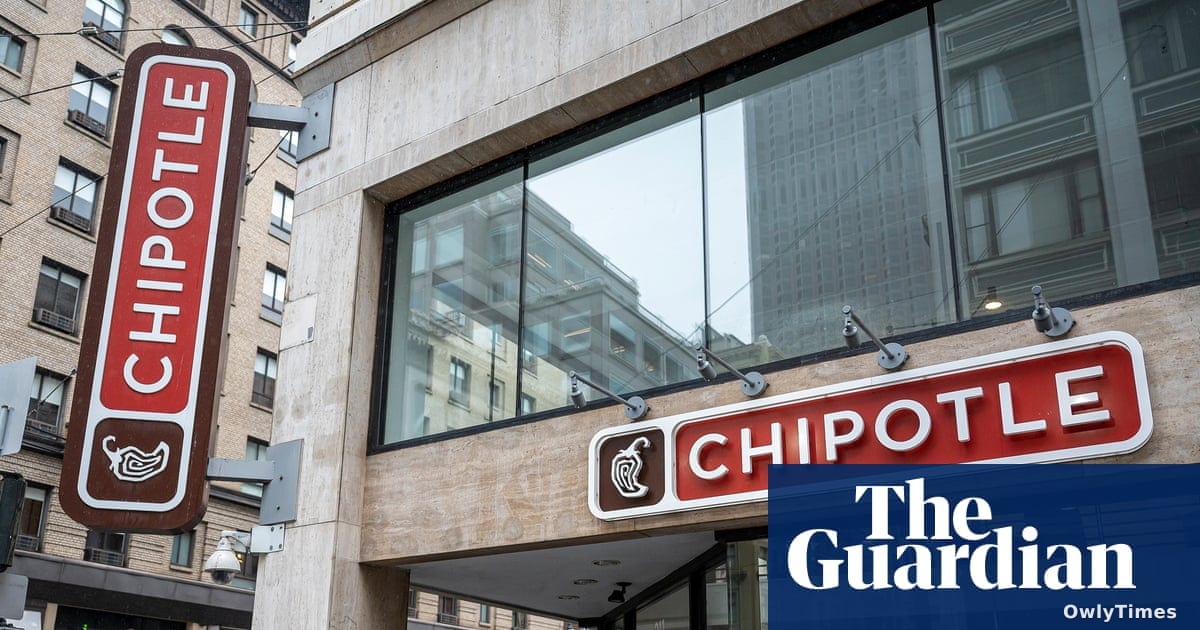
The real story here isn't just about burritos; it’s about the hubris of Silicon Valley-style scaling applied to culinary tradition. Chipotle announced this week that it is opening its first location in the Monterrey metropolitan area of Nuevo León, Mexico, on Thursday, according to The Guardian. While the company touts this as a "significant milestone," the move has been met with a chorus of skepticism on social media, with critics comparing the expansion to the absurdity of Panda Express opening in mainland China.
The "Ice to the Arctic" Problem
The corporate playbook for global expansion often ignores the fact that a "brand experience" is not the same thing as a food product. History is littered with failures: Taco Bell famously retreated from Mexico twice, leaving the market entirely in 2010 after consumers rejected their offerings as unappetizing "folded tostadas," the BBC reported. Similarly, Domino’s Pizza folded its entire 29-store Italian operation in 2022, unable to compete with a local market that viewed their product as a bastardization of pizza culture.
However, the experts suggest Chipotle’s strategy might be slightly more nuanced than its predecessors. Jeffrey Pilcher, a University of Toronto professor of food history, told Fortune that Taco Bell failed because it existed in a weird middle ground—it wasn't authentic, but it also didn't provide the specific "U.S.-style" experience that international travelers craved. Bchara Zúñiga, an advisor at GlobalData, notes that Chipotle’s partnership with the local operator Alsea is a "very smart" move, given Alsea’s experience managing brands like Starbucks and Burger King.
The Monterrey Litmus Test
Why Monterrey? It isn’t just a random choice; it’s a strategic hedge. Zúñiga points out that the city’s proximity to the U.S. border and its population of American telecommuters make it more receptive to "Cal-Mex" formats than the rest of the country. Still, Inés Carrasco, writing for Cronicas de San Pedro, warns that history is stacked against them, noting that even giants like Jack in the Box have failed to gain a foothold in Nuevo León.
The numbers provide a stark reality check for the company. While Chipotle CEO Scott Boatwright emphasizes "deep respect" for Mexican culinary heritage, the chain is entering a market where roughly 80% of restaurants are independent, family-run establishments that already provide fresh, high-quality ingredients at a local price point, according to Fortune. The company claims to have over 4,100 locations globally, but this is their first attempt at cracking the Mexican market, and they are already planning to expand into Mexico City by 2027, as reported by the BBC.
When Convenience Meets Culture
For the average consumer, this isn't just about lunch—it’s a question of where the money goes. Critics on social media have pointed out that while a local fonda keeps capital within the neighborhood, a corporate chain extracts that value. As one user noted on Instagram, the economic impact of a local shop is circular, whereas Chipotle’s earnings will head back to the U.S.
The company is clearly treating this Monterrey location as a "proof-of-concept." We will see how this plays out when the "tourist novelty" wears off and the brand has to compete with local staples on a Tuesday afternoon rather than a grand opening. Watch for the 2027 expansion into Mexico City; if they haven't achieved a sustainable footprint in Monterrey by then, that planned expansion will likely be the first thing cut from the corporate roadmap.