
Is the tech industry’s obsession with "move fast and break things" finally hitting a structural wall, or is it just the cost of doing business when your office is the vacuum of space?
As SpaceX prepares for its 13th test flight of the Starship vehicle, the narrative surrounding the aerospace giant has shifted from speculative disruption to the cold, hard realities of public accountability. With the company now a publicly traded entity on the Nasdaq Stock Exchange—following a June 12 IPO that raised a record-breaking $86 billion—every fireball is no longer just a learning opportunity; it is a line item for shareholders.
The real story here isn’t the sheer scale of the 400-foot-tall rocket; it’s the transition from testing simulators to deploying operational hardware. According to Ars Technica, this mission will carry 20 functioning Starlink V3 satellites. Unlike previous flights that relied on mass-simulators to mimic the weight of cargo, these satellites are designed to establish laser communication links in orbit. This is the crucial bridge between engineering R&D and the company’s core revenue driver. As noted by TechCrunch, Starlink was the only profitable arm of the business leading up to the IPO, making the success of these V3 units vital to justifying the company's massive valuation.
Engineering for Reliability over Velocity
The path to this Thursday’s launch window, which opens at 5:45 pm CDT (22:45 UTC), was cleared only after the Federal Aviation Administration (FAA) investigated a failure during the May 22 test flight. While Space.com confirms the flight will occur no earlier than July 16, the technical reasons for the delay reveal a complex web of propulsion issues.
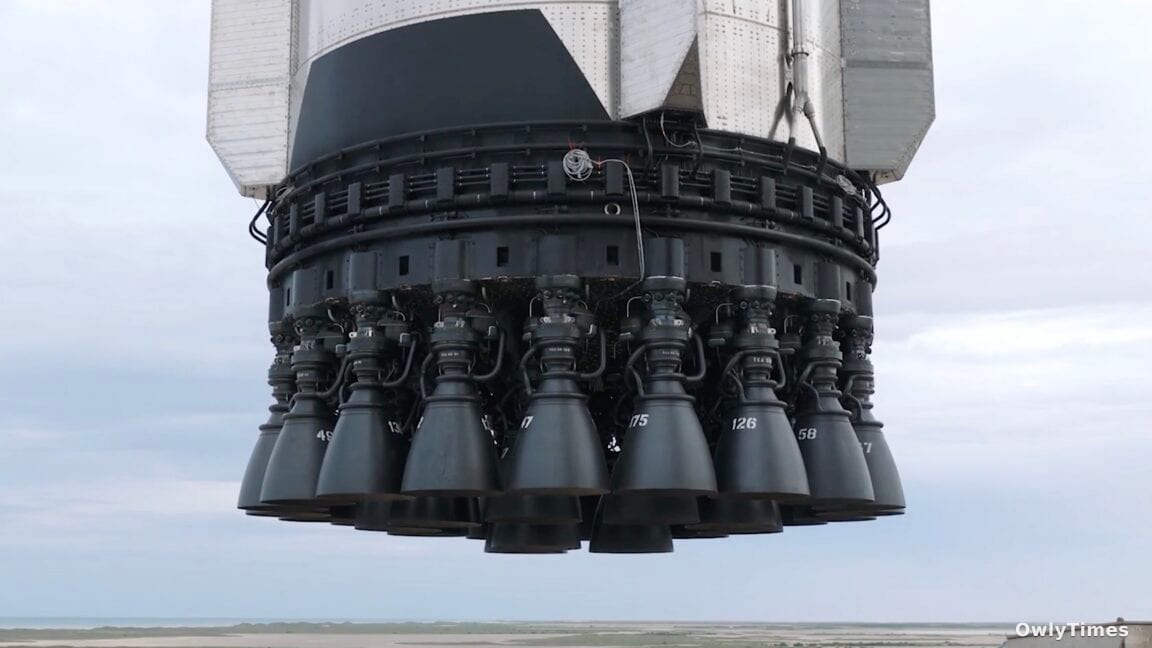
The FAA identified the "most probable root causes" of the previous Super Heavy booster failure as heat effects on propulsion components and erroneous engine alarm settings, according to TechCrunch. The booster had attempted to flip 90 degrees in the wrong direction during separation, ultimately plummeting into the Gulf of Mexico. SpaceX has since modified the engine startup sequence to ensure the booster flips reliably and adjusted the alarm systems to prevent premature shutdowns. Ars Technica highlights that the mission also seeks to redeem a failed Raptor engine relight from the previous flight—a critical milestone for proving the craft can safely operate in the airless vacuum of space.
The Real-World Connection
For the ordinary user, these "rapid unscheduled disassemblies" might seem like distant pyrotechnics, but they are the literal foundations of future connectivity. The V3 Starlink satellites are capable of adding 60 Tbps of capacity to the network, compared to the 2.6 Tbps added by previous Falcon 9 launches. This is the difference between a niche satellite internet service and a global infrastructure backbone.
The integration of six cameras on these V3 satellites to monitor the ship’s heat shield is a clever, if high-stakes, use of internal testing resources. By turning the cargo itself into a diagnostic tool, SpaceX is attempting to streamline its path to reusability.
The next major signal for investors and enthusiasts alike will be the successful restart of the Raptor engines in space. If SpaceX can nail this maneuver, it validates the company’s "fly, fail, fix" methodology as a viable industrial model rather than a reckless gamble. Expect the company to push toward orbital launch attempts later this year, provided this week’s mission proves that the V3 configuration can survive the stresses of a full-duration flight.