
The House Oversight Committee’s deposition of Hillary Clinton regarding the Jeffrey Epstein case wasn’t about uncovering new facts; it was a calculated move to reinforce existing narratives and test the boundaries of political leverage as the 2024 election cycle intensifies. The strategic intent wasn’t to find evidence of Clinton’s involvement in Epstein’s crimes – a claim repeatedly debunked – but to create a public spectacle, forcing her to defend herself against accusations already circulating within the conservative media ecosystem and to draw a contrast with the perceived lack of scrutiny applied to Donald Trump and his associates connected to Epstein. This isn’t a search for truth, but a demonstration of power, and a rehearsal for potential impeachment proceedings should the political winds shift.
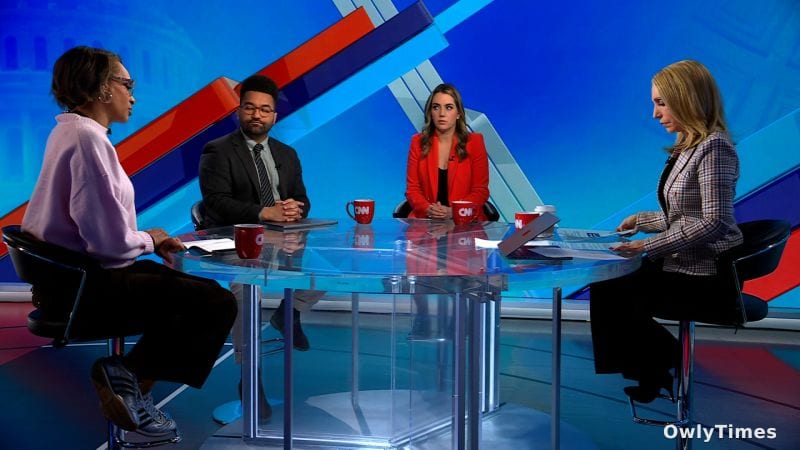
Clinton’s forceful response, as reported by CNN, directly challenging the committee to subpoena Trump and his allies featured in Epstein’s flight logs, underscores this dynamic. She didn’t simply deny knowledge of Epstein’s activities – she turned the inquiry back on its instigators, accusing them of selective investigation. This tactic isn’t novel. Throughout American political history, particularly during periods of heightened partisan division, congressional investigations have frequently served as platforms for political attacks. The 1973-74 Watergate hearings, while ultimately uncovering genuine wrongdoing, were initially fueled by partisan animosity and used by Democrats to damage the Richard Nixon administration. Similarly, the Iran-Contra affair in the 1980s became a focal point for Democratic criticism of the Ronald Reagan White House. Clinton’s strategy mirrors this historical precedent: weaponizing the investigation itself.
Drawn from CNN.
Who benefits and who loses from this spectacle? Republicans on the Oversight Committee gain a talking point, reinforcing their base’s distrust of Clinton and potentially fundraising off the controversy. The narrative of a “two-tiered justice system” – one set of rules for Democrats and another for Republicans – is amplified, a core tenet of the modern conservative movement. Trump, despite not being directly involved in the deposition, benefits from the distraction and the renewed focus on Clinton’s perceived failings. Conversely, Clinton’s reputation takes another hit, regardless of the veracity of the accusations. More broadly, public trust in institutions – Congress, the justice system, and the media – erodes further as the process is perceived as overtly political. An Oversight Committee Democrat described the proceedings as a “political clown show,” a sentiment that, while partisan, reflects a widely held view of the process’s legitimacy.
The timing of this deposition is also critical. It coincides with a period of intense political polarization and a looming presidential election. The focus on Epstein, a figure reviled across the political spectrum, allows Republicans to tap into existing outrage while simultaneously attempting to damage a prominent Democratic figure. This strategy is reminiscent of the 1998 impeachment proceedings against Bill Clinton, which, while centered on perjury and obstruction of justice, were heavily influenced by partisan animosity and a desire to delegitimize the presidency. The current situation, however, differs in that the accusations against Clinton are largely based on association rather than direct evidence of wrongdoing. This makes the political calculus even more cynical: the goal isn’t to prove a crime, but to create the appearance of impropriety.
The recent retirement of Larry Summers from Harvard amid scrutiny over his past ties to Epstein adds another layer to this complex web. While Summers’ departure wasn’t directly linked to the House Oversight Committee’s actions, it highlights the broader implications of the Epstein scandal and the potential for reputational damage to those associated with him. This ripple effect serves as a warning to others who may have had contact with Epstein, increasing the pressure to cooperate with investigations or face public scrutiny.
The political chess move to watch next isn’t whether the Oversight Committee will pursue further subpoenas – it almost certainly will. It’s whether House Republicans will attempt to leverage this investigation into a formal impeachment inquiry against Clinton, or even President Biden, based on tenuous connections to Epstein or his associates. The threshold for impeachment is deliberately high, but in the current political climate, procedural norms are increasingly disregarded in favor of partisan advantage. The question isn’t whether the evidence supports impeachment, but whether the political benefits outweigh the risks.