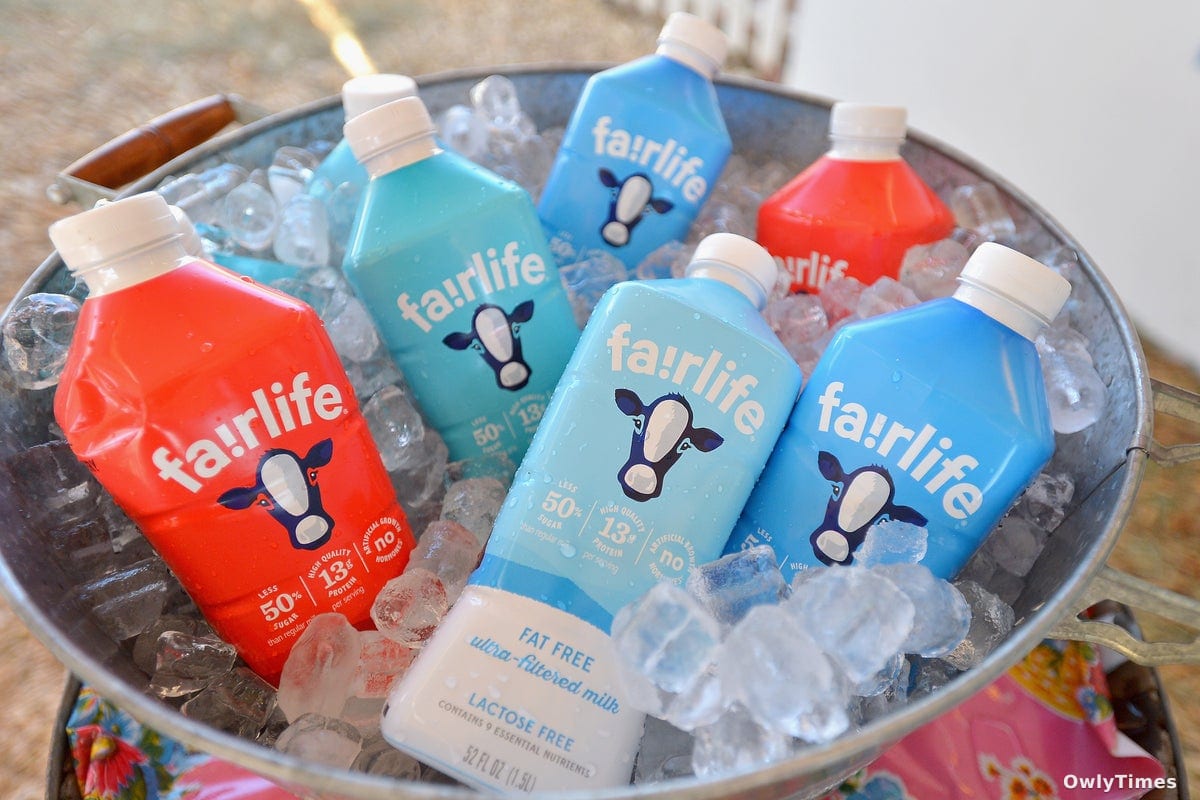

If your morning protein shake suddenly vanishes from the grocery store shelf, don’t blame the cows—blame the code. When a multinational beverage giant like Coca-Cola suddenly grinds its Fairlife dairy operations to a halt, it’s a stark reminder that our food supply chain is now essentially a massive, distributed software network that is only as strong as its weakest firewall.
The real story here isn’t just a localized technical glitch; it’s the vulnerability of modern industrial infrastructure to digital extortion. Coca-Cola confirmed on Thursday that an unauthorized third party infiltrated the production systems of its Chicago-based subsidiary, Fairlife, in what the company identifies as a ransomware event, according to CBS News. While the company has been tight-lipped regarding the specific mechanics of the breach, the disruption has forced a total, albeit temporary, suspension of all U.S. production lines.
Digital locks on physical goods
The operational impact is significant, though the company insists that the physical integrity of your beverage remains intact. Both The Independent and CBS News report that Coca-Cola has explicitly stated that product quality and safety have not been compromised by the intrusion. This distinction is vital for the average consumer: while the "brain" of the factory—the software managing the bottling and distribution logistics—is currently under lockdown, the actual milk and protein shakes sitting in your fridge are not tainted.
The scale of this event is massive, reflecting the sheer size of the target. Coca-Cola acquired Fairlife from Select Milk Producers in 2020 for approximately $7 billion, as noted by CBS News. The brand has since become a financial juggernaut; while TechCrunch cites 2024 sales estimates at $4 billion, CBS News puts annual sales at over $3 billion. Regardless of the exact figure, the outage represents a significant hit to one of the beverage giant’s most lucrative segments.
When the supply chain goes dark
For the industry, this is a recurring nightmare. TechCrunch points to past incidents at Arizona Beverages in 2019 and food distributor UNFI last year, noting that these ransomware attacks resulted in weeks of production downtime and subsequent empty grocery shelves. The parallel is clear: when the digital layer of a factory is encrypted by attackers, the physical output stops entirely, regardless of how many gallons of milk are waiting in the holding tanks.
At this stage, the investigation is still in its infancy. Coca-Cola has activated its incident response protocols, brought in external cybersecurity experts, and notified law enforcement, according to The Independent. However, critical questions remain unanswered. As Fox 5 noted, officials have yet to disclose if sensitive consumer or employee data was siphoned off during the breach, or exactly when the production lines might hum back to life.
The countdown to a restart
For now, the only geographic silver lining is that Fairlife’s Canadian operations remain entirely unaffected, as confirmed by both The Independent and TechCrunch. The company has not provided a concrete timeline for a return to normalcy, leaving the market in a state of suspended animation. We will know the true extent of the damage not by the company’s press releases, but by how quickly their products reappear in the refrigerated aisles of your local supermarket.