
The strategic calculus behind the arrest of a 26-year-old male in connection with the death of Ann Widdecombe centers on the urgent need for stability in an already volatile British political climate. With the nation navigating a transition in leadership and heightened sensitivity regarding the security of public figures, the swift apprehension by Devon and Cornwall Police serves to preemptively quell speculation of political violence. By publicly categorizing the incident as non-terrorist and non-political within 24 hours, authorities are attempting to decouple the tragedy from the ongoing, high-stakes by-election cycle in Clacton and the broader polarization surrounding Reform UK.
The Investigation’s Rapid Trajectory
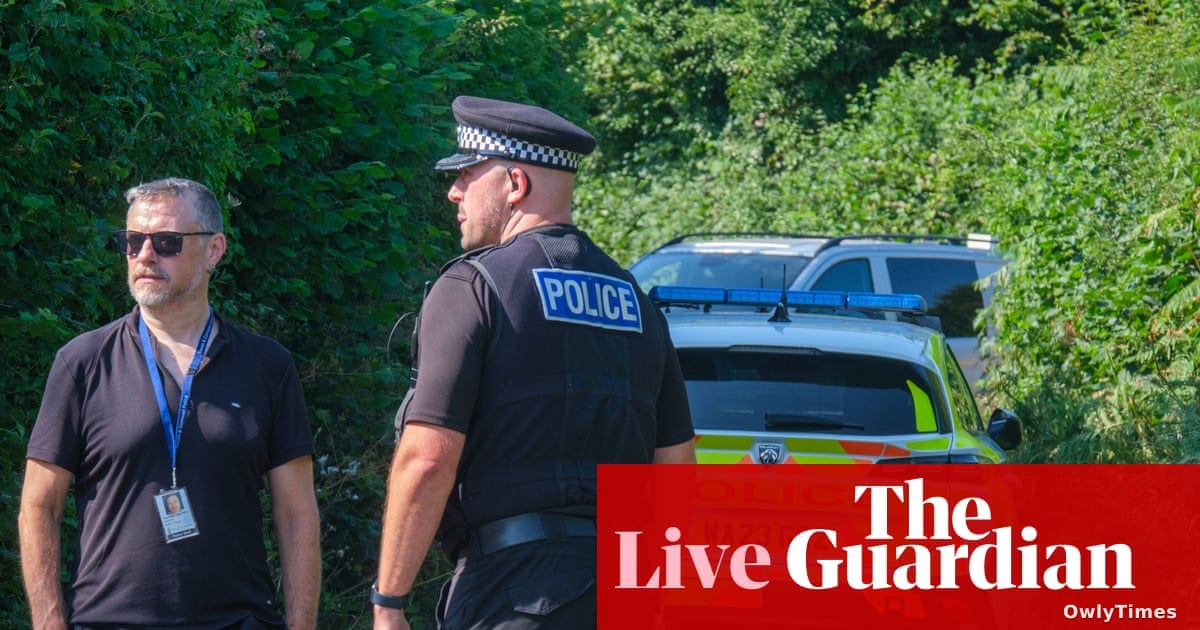
According to the BBC, police were first called to Widdecombe’s home in Haytor, Dartmoor, at approximately 11:40 BST on Thursday after she was found with serious injuries. By Friday, the inquiry had escalated into a formal murder investigation, with The Guardian reporting that the suspect—a white British national—was apprehended in Newton Abbot, roughly 10 miles from the scene. While Al Jazeera and The Hollywood Reporter confirm the suspect remains in custody, the specific identity of the individual has not been released, and police have explicitly urged the public to avoid online conjecture while forensic examinations continue.
Power Dynamics and Stakeholder Interests
The death of the 78-year-old former Conservative minister and current Reform UK spokesperson creates a complex vacuum for those who benefit from her public legacy and those who lose a potent voice in the immigration debate. For Reform UK, Widdecombe was a bridge between traditional Tory conservatism and the party’s populist trajectory; her loss deprives the party of a figure capable of commanding media attention. Conversely, the political establishment—including outgoing Prime Minister Keir Starmer and likely successor Andy Burnham—benefits from projecting unity. Starmer’s decision to contact leadership across the aisle, including Kemi Badenoch and Nigel Farage, underscores an attempt to prevent the tragedy from being weaponized in the current, fractious parliamentary environment.
Historical Precedents and Political Context
The murder inquiry has inevitably revived memories of previous attacks on British lawmakers, a parallel noted by Al Jazeera. The killings of Jo Cox in 2016 and David Amess in 2021 serve as the grim baseline against which any political death is now measured. However, unlike those cases, Assistant Chief Constable Matt Longman stated there is "no information" to suggest a political motive, a distinction Euronews emphasized to distinguish this event from acts of targeted ideological violence.
The Chess Move to Watch
The immediate political tension now shifts to the Clacton by-election, currently scheduled for Thursday, 13 August. As reported by The Guardian, this date was set one week later than Reform UK had initially requested. Observers will be watching to see if the party uses the momentum of the public tributes to Widdecombe to galvanize support or if the ongoing police investigation into Reform UK’s donations—which the party has dismissed as a "politically-motivated smear campaign"—will continue to dominate the discourse, potentially overshadowing the mourning period.