
Is the "AI revolution" actually making our world safer, or are we just becoming better at building digital cathedrals while the physical foundations around us crumble?
The real story here isn't the headline-grabbing price of San Francisco real estate — it's the widening chasm between the city’s hyper-inflated tech bubble and the grim reality of life on its own waters. While the BBC reports that artificial intelligence employees are now offering company shares in lieu of cash to secure $3 million apartments, the tragic capsizing of the 49-foot cabin cruiser Volare serves as a sobering reminder that wealth cannot insulate anyone from the unforgiving physics of the San Francisco Bay.
A Tragedy in the Bay
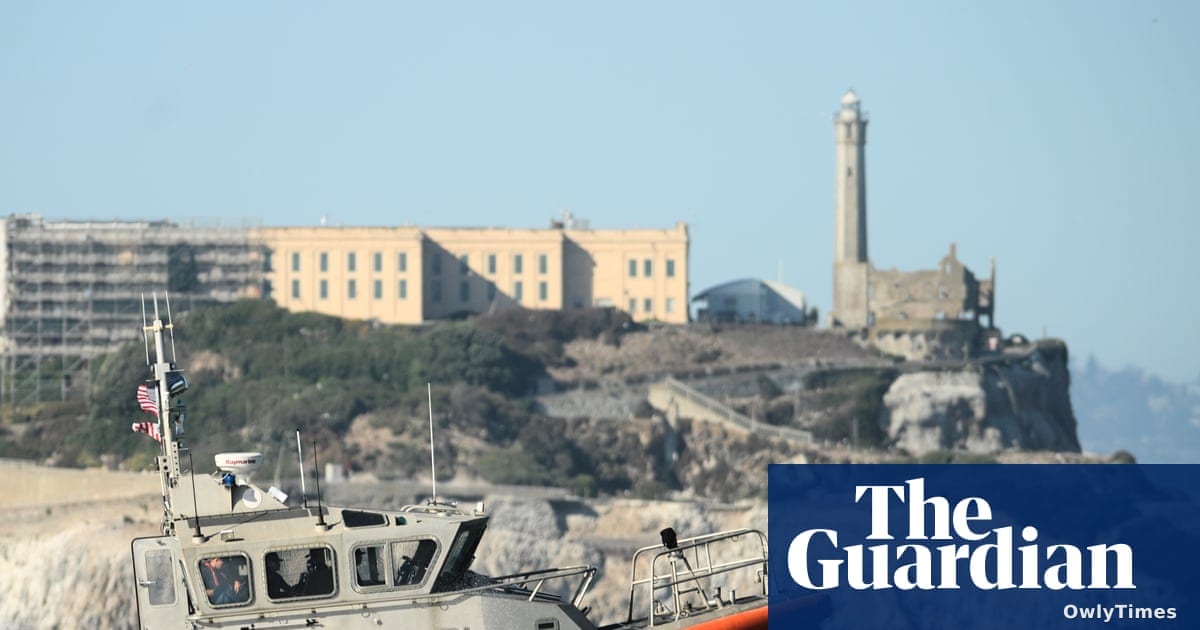
On Tuesday, July 14, 2026, a family excursion intended to honor a loved one turned into a catastrophe near Alcatraz Island. According to The Independent, the boat was hit by a wave, took on water, and rolled over. While CBS News clarifies that the vessel was carrying 20 people, reports on the rescue figures vary: the fishermen who first arrived on the scene estimated they pulled eight or nine people from the water, while the U.S. Coast Guard confirmed a total of 16 individuals were rescued.
The human cost is severe. Clifford Joseph Boisa, a 79-year-old former Sutter County sheriff’s deputy, was pronounced dead after being pulled from the water. His brother, John Boisa, who was captaining the vessel, remains in mourning for his sister Carol, his sister-in-law Jackie, and a family friend identified as Tondra, all of whom are still missing.
The Divergence of Data
The U.S. Coast Guard has officially suspended the search. There is a discrepancy in the scope of the effort reported: The Independent cites the search area as 814 square miles, whereas CBS News places the figure higher at 950 square nautical miles. Both outlets agree that the operation concluded Wednesday at sunset, with Captain Jarod Toczko noting the difficulty of the decision to stop.
Meanwhile, the city’s economic narrative is moving in a vastly different direction. The BBC notes that San Francisco’s median home price hit a record $1.76 million in May 2026, a surge driven by the massive wealth generated by firms like OpenAI and Anthropic. For the average user, this means the city is becoming a gated community for the digital elite, where a "bidding war" is just a standard Tuesday, even as the infrastructure for basic public safety and maritime oversight struggles to keep pace with the changing demographics.
The Next Mechanical Hurdle
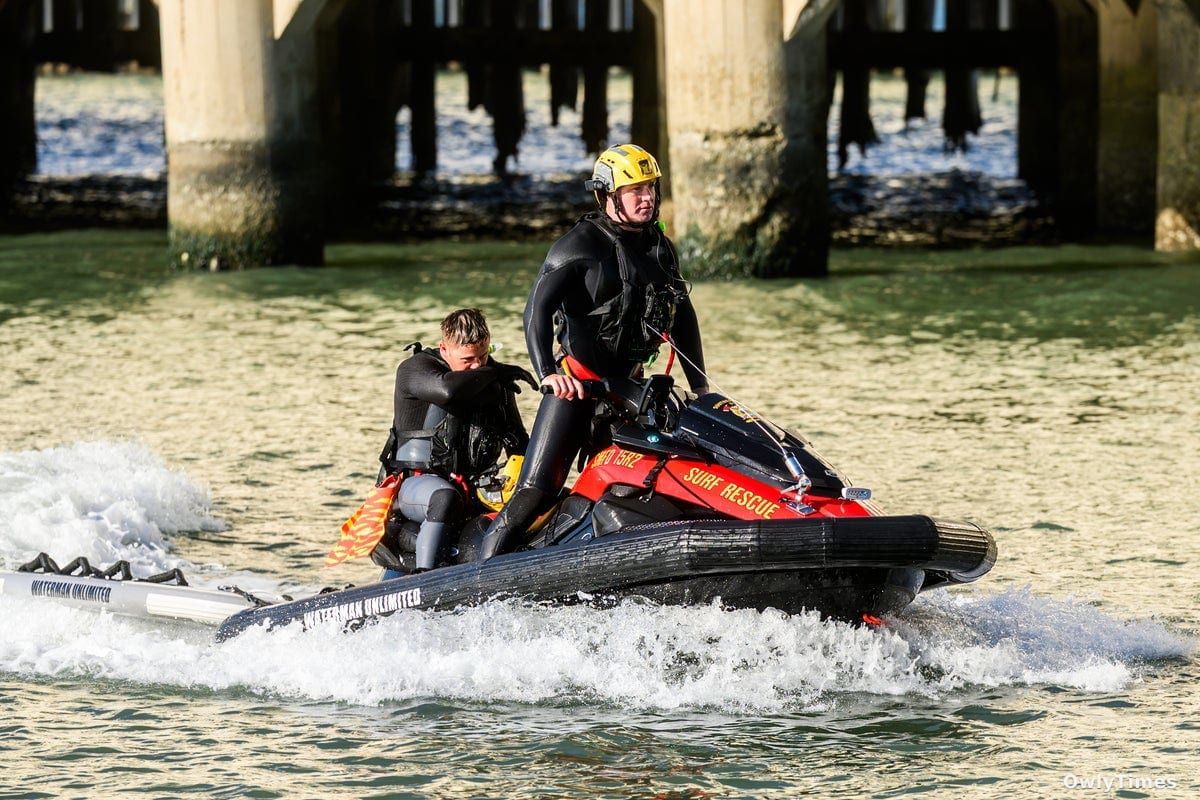
The recovery of the Volare remains the primary tactical concern. San Francisco Police Commander Brien Hoo stated that if the vessel rests deeper than 120 feet, an underwater drone will be required for recovery. Officials are currently utilizing sonar to map the bay floor.
Expect the conversation in Silicon Valley to pivot sharply if the upcoming stock market flotations for OpenAI and Anthropic fail to meet the "extraordinary" expectations currently fueling the real estate market. If the AI wealth machine stutters, the artificial floor holding up the city’s record-high property prices may crack, leaving ordinary residents—and the families who rely on the bay for more than just a commute—to deal with the fallout of an economy that has spent years betting on an endless upward trajectory.