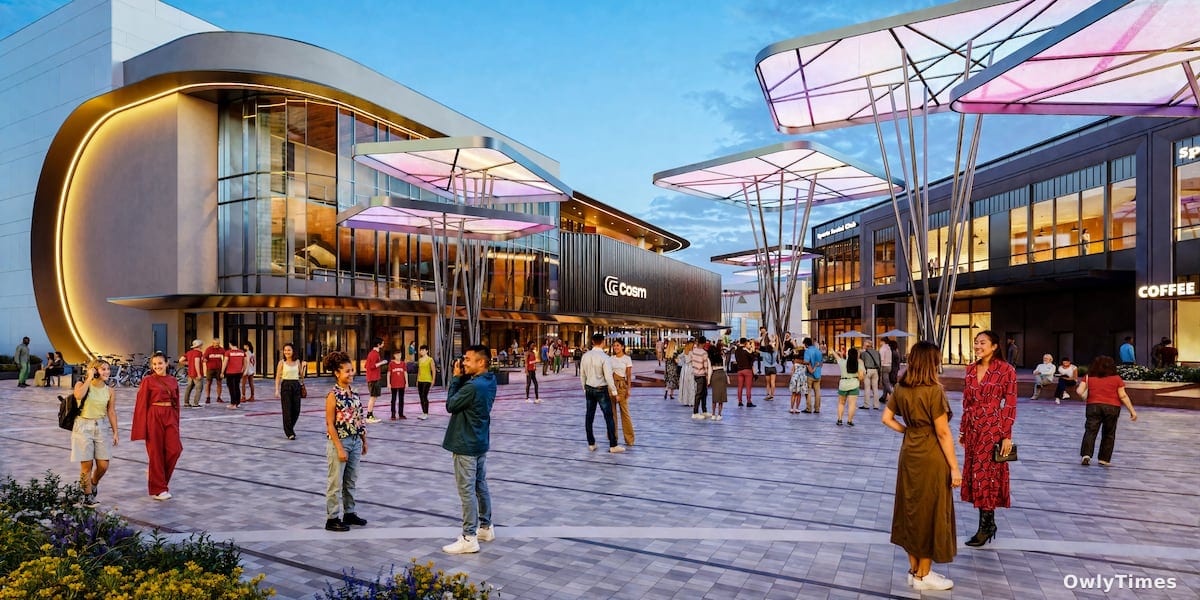

The bass thrummed even through the construction fencing. Standing across from Mercedes-Benz Stadium last week, the skeletal frame of Cosm rising against the Atlanta skyline felt less like a building and more like a promise – a promise of spectacle, of immersion, of an entertainment future where simply watching isn’t enough. On June 10th, that promise will be delivered with the broadcast of Game 4 of the NBA Finals, marking the official opening of Cosm’s Atlanta location at Centennial Yards. But this isn’t just about a new venue; it’s about a fundamental shift in how we consume live events, and a gamble on whether audiences will pay a premium to feel inside the game, rather than simply observing it.
The Sphere Effect: Atlanta Joins the Immersive Race
The comparison to Las Vegas’ Sphere is unavoidable, and frankly, intentional. Cosm, a 70,000-square-foot, three-level venue, is betting big on replicating the Sphere’s success – a success that, despite initial skepticism, has proven the appetite for truly immersive experiences. The Sphere, which opened in September 2023, reportedly cost $2.3 billion to build, and while Cosm’s price tag hasn’t been publicly disclosed, the investment is substantial. This isn’t a renovation of an existing space; it’s a ground-up build designed around a massive LED dome screen, engineered to envelop viewers in the action. The opening game ticket prices, starting at $149, already reflect this premium experience, significantly higher than typical NBA Finals viewing parties. This is a deliberate move away from the mass-market appeal of traditional sports viewing and towards a more exclusive, curated experience.
This article draws on reporting from atlantanewsfirst.com.
Beyond the Game: A Content Ecosystem Takes Shape
What’s particularly interesting about Cosm’s rollout isn’t just the sports focus, but the breadth of content already planned. Beyond the NBA Finals and upcoming UFC fights, the venue is offering immersive screenings of classics like “Harry Potter and the Sorcerer’s Stone” and “The Matrix,” alongside a residency from Cirque du Soleil’s iconic show “O.” This isn’t a venue built solely for athletes and fans; it’s a platform for a diverse range of immersive entertainment. Cosm’s strategy, evidenced by its rapid expansion – Atlanta is the third location, following Los Angeles and Dallas openings in 2024 – is to become a content ecosystem, attracting not just event-goers but also studios and production companies eager to experiment with this new medium. The company is clearly aiming to be more than just a big screen; they want to be a destination for experiences you simply can’t get anywhere else.
The Centennial Yards Gamble and Downtown Revitalization
The choice of Centennial Yards as the location is also significant. This 50-acre redevelopment project, aiming to transform a former industrial area into a vibrant mixed-use district, has faced its share of challenges. While the area has seen some progress, attracting anchor tenants like Cosm is crucial for its long-term success. The venue is expected to draw significant foot traffic to the area, boosting local businesses and contributing to the overall revitalization effort. However, the success of Centennial Yards hinges on more than just entertainment; affordable housing, accessible transportation, and a diverse range of amenities are all essential. Cosm’s arrival is a positive sign, but it’s just one piece of a much larger puzzle. The venue’s success will be closely watched by developers and city planners alike, as a potential model for future urban redevelopment projects.
What Does Immersive Entertainment Mean for the Future of Live Events?
The opening of Cosm in Atlanta isn’t just a local event; it’s a bellwether for the future of live entertainment. We’re already seeing a blurring of lines between physical and digital experiences, with augmented reality, virtual reality, and immersive technologies becoming increasingly prevalent. But Cosm represents a different approach – a focus on large-scale, shared immersive experiences that leverage cutting-edge display technology. The question now is whether this model will scale. Will audiences continue to pay a premium for this level of immersion, or will it remain a niche market? And what impact will this have on traditional venues like stadiums and arenas? Will they be forced to invest in similar technologies to remain competitive, or will they focus on offering different types of experiences? The industry is watching closely, and the answer will likely shape the future of how we experience live events for years to come. Will Cosm become the new standard, or a fascinating, expensive experiment?