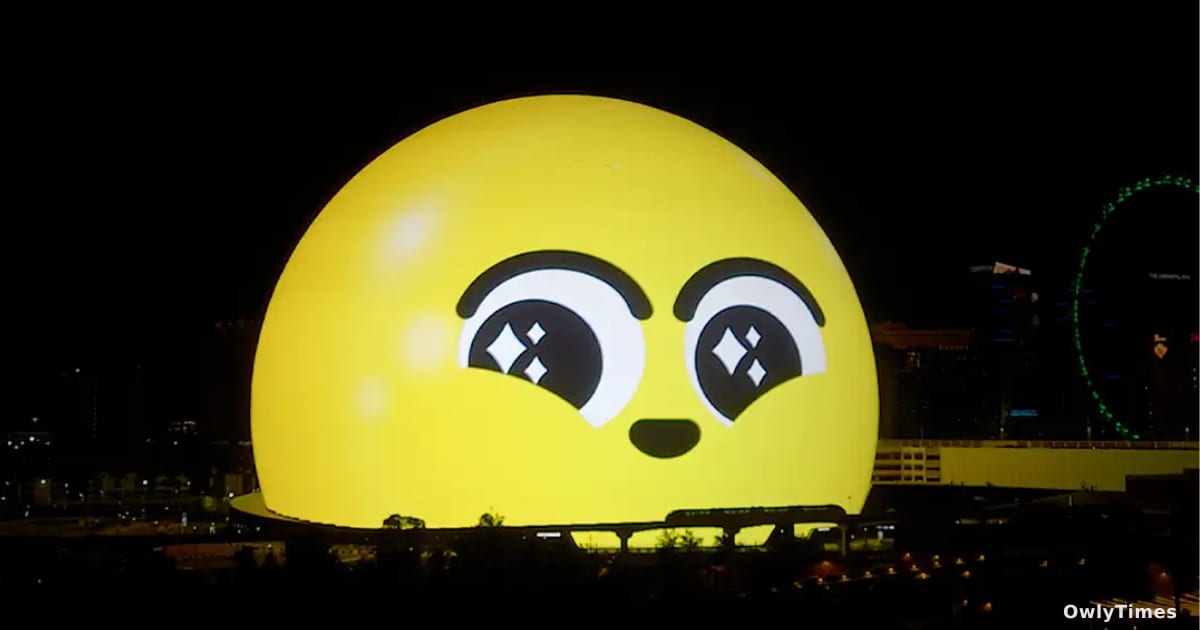

The bass thrummed in my chest, a physical force more than a sound, as U2’s Bono seemed to float inside the Las Vegas Sphere last fall. It wasn’t a concert; it was an immersion. The 16K resolution screen wrapped around and above the 18,600-person crowd, turning the venue itself into a character in the show. Now, Sphere Entertainment is eyeing Nashville, “Music City,” for a scaled-down version of this technological marvel, according to a new report from Axios. But this isn’t just about bringing a fancy concert hall to Tennessee; it’s a test of whether the future of live entertainment can thrive outside the spectacle of Las Vegas, and whether a city built on tradition can embrace a radically new vision of performance.
The Shifting Landscape of Live Music
The announcement, relayed through unnamed sources, comes on the heels of Sphere’s confirmed plans for a 6,000-seat venue in National Harbor, Maryland, a suburb of Washington D.C. This expansion isn’t random. Live music revenue hit $14.5 billion in 2023, a 34% jump from pre-pandemic levels, according to Pollstar, but the cost of touring has skyrocketed alongside it. Artists and promoters are looking for ways to maximize revenue and deliver experiences fans can’t get anywhere else. The Sphere, with its ability to generate $80 million in revenue per week during the U2 residency, offers a compelling solution. It’s not just about selling tickets; it’s about selling an event. The question is whether that event translates to markets beyond Vegas’s inherent draw.
Source material: liveforlivemusic.com.
Nashville’s Unique Harmony – and Potential Discord
Nashville, of course, presents a different cultural landscape. While Los Angeles and New York boast diverse musical ecosystems, Nashville’s identity is inextricably linked to country music. For decades, the city has been the proving ground for aspiring country stars, a place where songwriting is revered and authenticity is prized. The idea of injecting hyper-modern technology into that equation feels…complicated. Yet, Kenny Chesney and Zac Brown, two titans of the country scene, have already demonstrated the potential. Their shows at the Las Vegas Sphere weren’t just concerts; they were cinematic experiences, leveraging the immersive technology to enhance the emotional impact of their music. This suggests that the Sphere’s appeal isn’t limited to pop or rock, but can amplify the storytelling inherent in country music as well. However, the success of a Nashville Sphere hinges on convincing a broader range of artists – and audiences – that this technology isn’t a betrayal of the city’s roots.
London’s Rejection: A Cautionary Tale
The failed London project looms large over these Nashville discussions. In early 2024, plans for a full-size Sphere in the UK were scrapped after Mayor Sadiq Khan rejected the planning application, citing “significant light intrusion” and harm to residents’ quality of life. The decision wasn’t just about aesthetics; it was a clash between a futuristic vision and the concerns of a community prioritizing its established character. The Sphere’s sheer scale – and the light pollution it generates – proved too disruptive for a densely populated urban area. This highlights a critical challenge for Sphere Entertainment: balancing innovation with community needs. Nashville, while growing rapidly, still retains a strong sense of local identity. Ignoring those concerns could easily replicate the London debacle. The Axios report notes Sphere representatives have already begun “talks with Nashville executives who would be logical partners,” suggesting an attempt to proactively address potential roadblocks.
Beyond the Bright Lights: What’s at Stake?
This isn’t simply a real estate play. It’s a bellwether for the future of live entertainment. If Sphere can successfully integrate its technology into a market as culturally distinct as Nashville, it will validate the idea that immersive experiences are the next evolution of concerts. But if it falters, it will raise serious questions about the scalability of this model and the limits of technological disruption. The London rejection demonstrated that innovation isn’t automatically welcomed, and that communities have a right to shape their own environments. The real story here isn’t just where Sphere builds next, but how it builds – and whether it can learn from its past mistakes. Will Nashville embrace the glow, or will it push back, protecting the soul of Music City? That’s the question everyone in the industry will be watching closely.