
The Strategic Calculus of Protest Tourism in Cuba
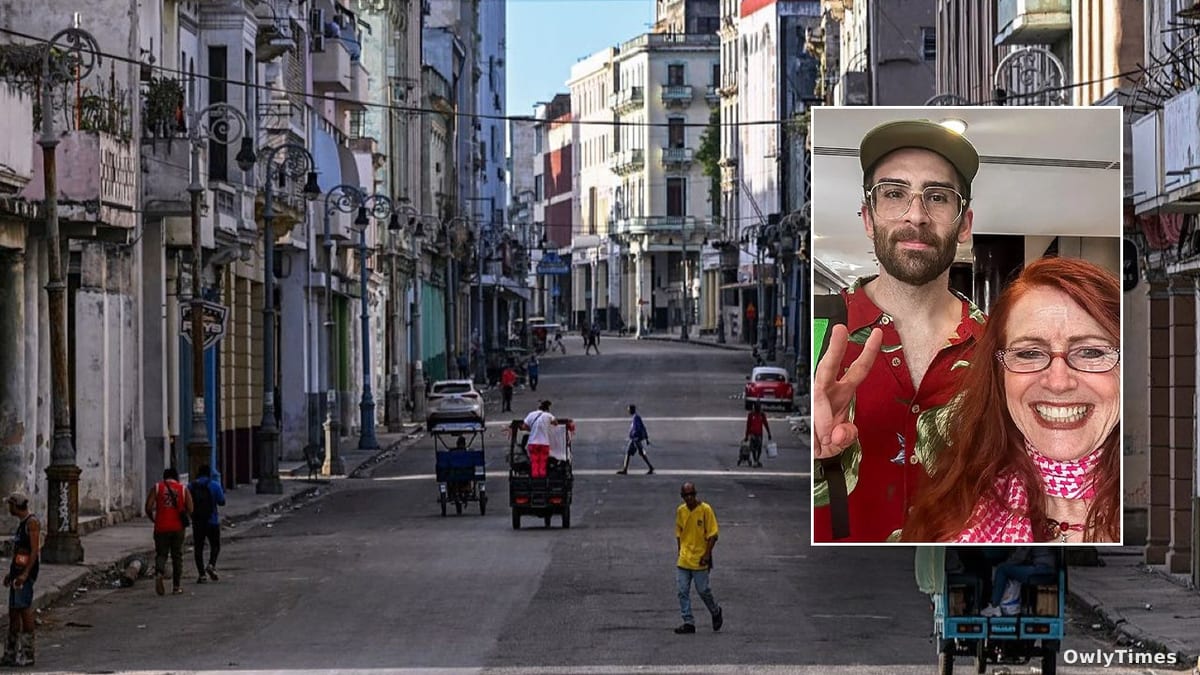
The highly visible trip to Cuba by a delegation of far-left American activists, spearheaded by CodePink and including figures like Isra Hirsi (daughter of Rep. Ilhan Omar) and Twitch streamer Hasan Piker, wasn’t a spontaneous act of solidarity. It was a calculated move to exploit a specific vulnerability in the Biden administration’s Cuba policy – the tension between maintaining economic sanctions imposed under President Trump and the persistent, if muted, calls for engagement from within the Democratic party. The timing, coinciding with a nationwide blackout and escalating economic hardship, is crucial. This wasn’t simply about delivering aid, as CodePink claims, but about creating a narrative of American-caused suffering to pressure a policy shift.
Based on the original Fox News report.
The core dynamic at play is a familiar one: leveraging moral outrage for political gain. CodePink’s sponsorship of the flights and the high-profile participation of figures with established platforms amplifies the message. However, the optics are deeply problematic. Reports of delegates staying in 5-star hotels like the Gran Hotel Bristol Meliá Collection, while ordinary Cubans endure widespread shortages and a complete power outage, immediately undercut the narrative of shared struggle. This dissonance isn’t accidental; it reveals a strategic prioritization of visibility and access over genuine grassroots solidarity. Piker’s defense – that U.S. law requires them to stay in such hotels – was quickly debunked by an X Community Note, highlighting a factual misrepresentation that further eroded credibility. Who benefits and who loses here? The Cuban government benefits from the external validation and the potential for sanctions relief. The activists gain social capital and reinforce their ideological positions. Cuban citizens, however, risk being used as props in a political performance.
This situation echoes historical precedents of leftist delegations traveling to countries under embargo or facing international pressure. During the Cold War, similar journeys to Vietnam and Nicaragua were undertaken to demonstrate opposition to U.S. foreign policy and build solidarity with communist regimes. These trips often served as propaganda opportunities for the host governments, allowing them to showcase a curated image of resilience and popular support. The key difference now is the role of social media. Piker’s live-streaming and Hirsi’s social media presence transform the protest into a real-time media event, bypassing traditional news outlets and directly engaging a specific online audience. This direct-to-consumer approach allows for greater control over the narrative, but also invites intense scrutiny and rapid fact-checking, as evidenced by the X Community Note.
The Biden administration finds itself in a precarious position. While publicly maintaining the sanctions regime, it faces pressure from within its own party to ease restrictions on Cuba, particularly given the humanitarian crisis. Secretary of State Marco Rubio’s blunt assessment – “they have to get new people in charge” – underscores the deep skepticism within the Republican party regarding any significant policy shift. The Pentagon’s statement ruling out invasion, despite acknowledging Cuba as a security concern, signals a desire to avoid escalation while simultaneously signaling continued vigilance. The recent capture of former Venezuelan President Nicolás Maduro by the U.S. adds another layer of complexity, potentially linking Cuba’s economic situation to broader regional geopolitical strategies. President Trump’s comments about Venezuela’s oil reserves and his vow to “take care of Cuba” suggest a willingness to use energy policy as a tool for political leverage.
The political chess move to watch next isn’t whether the Biden administration will immediately lift sanctions. It’s whether the administration will respond to this activist pressure with a carefully calibrated gesture – perhaps easing restrictions on remittances or travel – designed to appear conciliatory without fundamentally altering the existing policy framework. The question is whether the administration will attempt to co-opt the narrative, framing any concessions as a direct result of its own engagement efforts, or allow CodePink and its allies to claim victory, potentially emboldening further attempts to influence U.S. foreign policy through performative activism.