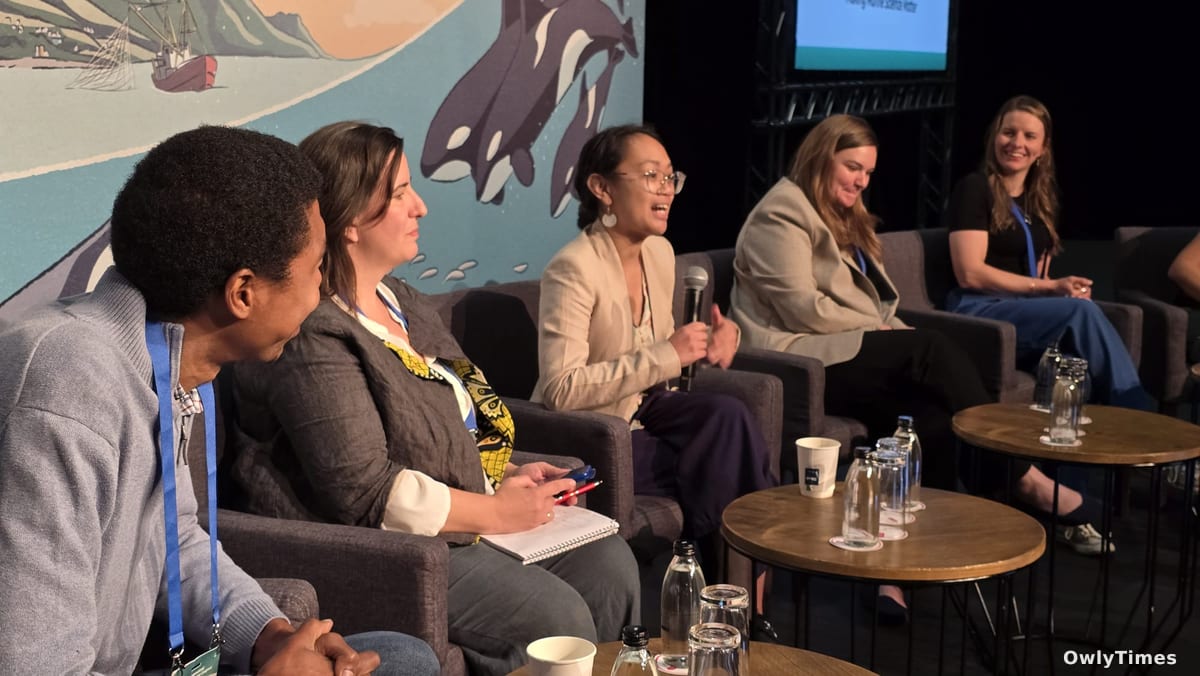

How do we govern an environment we have barely begun to map, let alone understand? As the pressure to extract mineral resources from the ocean floor intensifies, the scientific community faces a critical juncture: determining how to integrate nascent ecological data into the high-stakes world of international policy. This question serves as the foundation for a newly announced open symposium, “Between a Rock and a Deep Place: Science and Deep Sea Mining Policy,” which will convene at the 8th International Marine Conservation Congress (IMCC8) in Edinburgh, Scotland, from November 13–17, 2026.
The symposium is designed to move beyond the binary debate often presented in media headlines. While public discourse frequently frames deep-sea mining as a simple trade-off between green energy needs and environmental destruction, the reality—as this session aims to demonstrate—is defined by profound scientific uncertainty. The research community is currently grappling with critical gaps in baseline biodiversity data, the mechanics of carbon cycling, and the long-term, cumulative impacts of seabed disturbance. By bringing together experts to synthesize the current state of knowledge, the organizers hope to shift the conversation from speculative outcomes to a rigorous assessment of what we genuinely know versus what remains hidden in the abyss.
One of the most significant aspects of this gathering is its explicit focus on the intersection of ecological research and global governance, particularly the ongoing negotiations at the International Seabed Authority (ISA). The session intends to bridge the divide between laboratory findings and the legislative halls where the future of the deep sea is being drafted. It will address the tension between jurisdictions that are currently fast-tracking mining approvals and the growing movement calling for a precautionary pause. This isn’t merely an academic exercise; it is an effort to provide policymakers with the scientific literacy required to navigate the sudden rise of unilateralism in deep-sea exploitation.
However, the symposium faces a inherent limitation: the velocity of policy decisions often outpaces the slow, meticulous nature of deep-sea ecological research. Because the deep ocean is one of the least explored environments on Earth, even the most robust data sets currently available remain incomplete. Attendees must contend with the fact that while scientific consensus is building, it is not yet fully formed. The success of this session will not be measured by whether it resolves the debate, but by whether it effectively identifies the specific scientific benchmarks that must be met before responsible decision-making can occur.
The focus on the social and ethical dimensions of deep-sea mining—specifically the rights of Indigenous communities and the perspectives of the Global South—further complicates the traditional model of marine conservation. By weaving these equity concerns into the scientific narrative, the organizers are attempting to avoid the common pitfall of treating the ocean as a resource void, acknowledging instead that its governance is deeply tied to human rights.
Researchers and practitioners who wish to contribute their findings to this dialogue must submit their abstracts by May 15, 2026. Prospective presenters should select the “Open Symposia” category and identify the specific title “Between a Rock and a Deep Place: Science and Deep Sea Mining Policy” during the submission process. Following the submission deadline, the next key indicator of the field’s trajectory will be the subsequent status updates from the International Seabed Authority, which will reveal whether the scientific community’s growing calls for caution are successfully influencing the formal regulatory framework.





