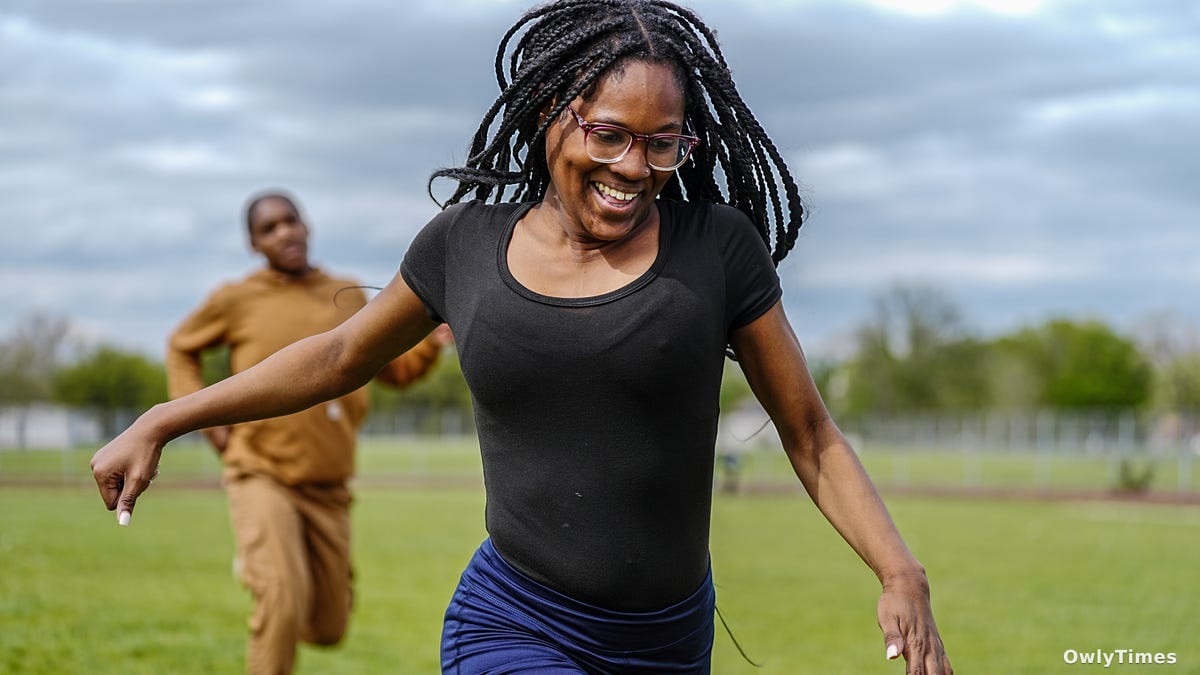

The rain was coming down in sheets, the kind of gray, relentless Detroit downpour that sends most students straight to their lockers and home. But at Osborn High School, one student was running in the opposite direction. Delila Gooden, then a sophomore who had never stepped foot on a competitive track or trail, was jogging toward a nearby Wendy’s. She was one of the only athletes to show up for practice that Friday, and she wasn't there for the post-run Frosty. She was there to prove she belonged.
That rainy afternoon serves as the perfect prologue to the transformation of the Osborn Knights' track program. When head coach Matthew Eichstaedt first arrived at the school, he was essentially cold-calling students in the hallways to build a roster that stood at a meager four runners for cross country and three for track. Today, the program has grown to 15 participants, a modest number in the grand scheme of athletics, but a massive victory for a school looking to establish a culture of discipline. Gooden hasn't just been a participant in that growth; she has been its primary engine.
Gooden’s journey from a self-described non-athlete to a local force is a masterclass in the intersection of academic drive and athletic grit. She balances her training with a packed schedule that includes the student council, the student leadership committee, and the Detroit School District’s DECA program, which trains students for business careers. Her ability to pivot is best exemplified by her recent travel; she was in Atlanta for a DECA event just one day before dominating the Detroit Public School League Gold Division championship meet on Thursday, May 7.
At that championship, Gooden swept the 800, 1,600, and 3,200-meter races, proving that her initial whim to join the team was actually the discovery of a latent talent. She is already the school-record holder in the 800 meters, a milestone she hit after Eichstaedt—who recognized her potential during that soggy tryout—encouraged her to aim for the mark. For Gooden, however, the stopwatch is secondary to the social contract she has built with her teammates.
"She’s just a really determined kid," Eichstaedt noted, reflecting on the athlete who has blossomed from a quiet student into a vocal leader. That leadership manifests in the small, grueling moments of practice: Gooden is the one leading stretches, pacing teammates through their final, lung-burning intervals, and ensuring that no one drops off the back of the pack. Sprint and hurdles coach Aniya Myers observes that while teammates might occasionally get frustrated by Gooden’s high expectations, they invariably listen, viewing her as an inspiration to chase their own medals.
This tenacity has been tested far beyond the track. Gooden navigated a period of housing instability that forced her family to move to Oak Park, requiring her to manage complex transportation logistics just to attend practices and school functions. Now back in Detroit, she is eyeing a future at an HBCU—specifically Howard University—with a long-term goal of becoming a couples therapist.
The story of Delila Gooden is a reminder that sports in an urban high school setting are rarely just about the events on the track. They are about the development of a person who understands how to manage time, lead peers, and persist through literal and figurative storms. As the team looks toward the state title meet, the next reading of the program's participation numbers and the performance of her younger mentees will show whether the culture Gooden helped cultivate can sustain itself once she moves on to her next chapter. For now, the focus remains on the daily work, the next mile, and the standard she has set for the Knights.