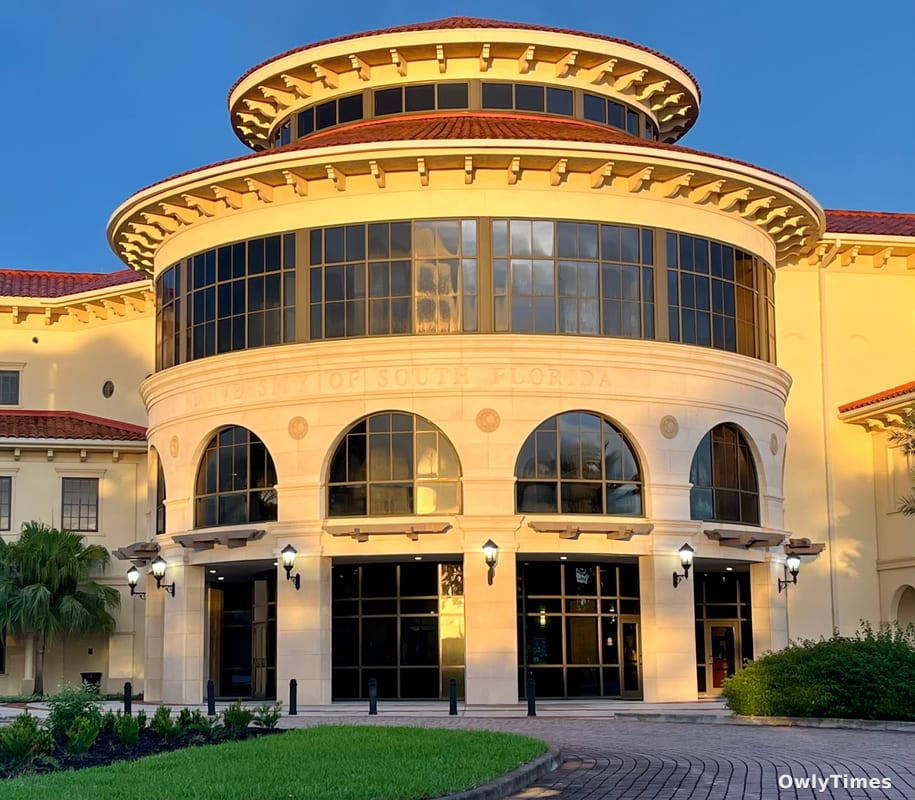

$500,000 represents the staggering cost per degree at New College of Florida, a figure nearly seven times higher than the $72,000 spent per degree at the University of South Florida (USF). This disparity sits at the heart of an impending legislative showdown in Tallahassee, where the fate of the 32-acre USF Sarasota-Manatee campus hangs in the balance of a state budget conference committee. While Governor Ron DeSantis has proposed transferring the USF facility to the neighboring New College to serve as a cornerstone of his higher education agenda, the move faces intense scrutiny from local business leaders who view the campus not as a political asset, but as a critical infrastructure piece for the regional economy.
Follow the Money: A Debt-Heavy Exchange
The proposed asset transfer carries significant financial risk for the state’s university system. Under the plan, New College would assume $53 million in dorm debt currently tied to USF Sarasota-Manatee. However, internal balance sheets suggest the institution is ill-equipped for this liability. New College currently carries $17 million in debt—a burden more than twice the average of Florida’s state university system—and has been effectively locked out of credit markets for years due to its financial standing.
When you follow the money, the math of the transfer appears increasingly precarious. Richard Corcoran, the former House speaker and current president of New College, is already presiding over an organization that a Florida DOGE report last year labeled the least efficient state university. The report highlighted the school’s high operating expenses per student and its low median graduate salaries. By absorbing a debt load nearly triple its current outstanding obligations, New College would be tethering its future to a campus that serves approximately 2,000 students, while potentially cannibalizing the very programs that currently feed the local labor market.
The Workforce Pipeline at Risk
Local chambers of commerce—including those in Sarasota, Manatee, and Venice—have mobilized against the transfer, citing the potential collapse of the talent pipeline in nursing, accounting, and education. Justin Phillips, chairman of the board at the Manatee Chamber of Commerce, has emphasized that the opposition is not rooted in a preference for one institution over another, but in the measurable economic impact of losing access to these specific graduates.
The tension is exacerbated by the lack of transparency surrounding the transition. As Heather Kasten, president and CEO of the Greater Sarasota Chamber of Commerce, noted, there has been a glaring absence of meaningful engagement with the business community regarding the potential closure of a campus that has coexisted with New College for 25 years. With the Senate having declined to mirror the House’s bill to hand over the campus, the decision now rests with a small budget conference committee, turning a regional economic concern into a high-stakes legislative bargaining chip.
Investor and Consumer Takeaway
For those invested in the Sarasota-Manatee region, the takeaway is clear: watch the final budget reconciliation process closely. The legislative decision will serve as a bellwether for how the state prioritizes regional workforce development against ideological restructuring. The next reading of the state’s budget conference committee report will indicate whether lawmakers intend to protect the existing, efficient pipeline of graduates or prioritize the expansion of New College at the expense of established industry partnerships. For local employers, the stability of their future recruitment remains tethered to a handful of negotiators in Tallahassee who hold the keys to the campus’s physical assets.