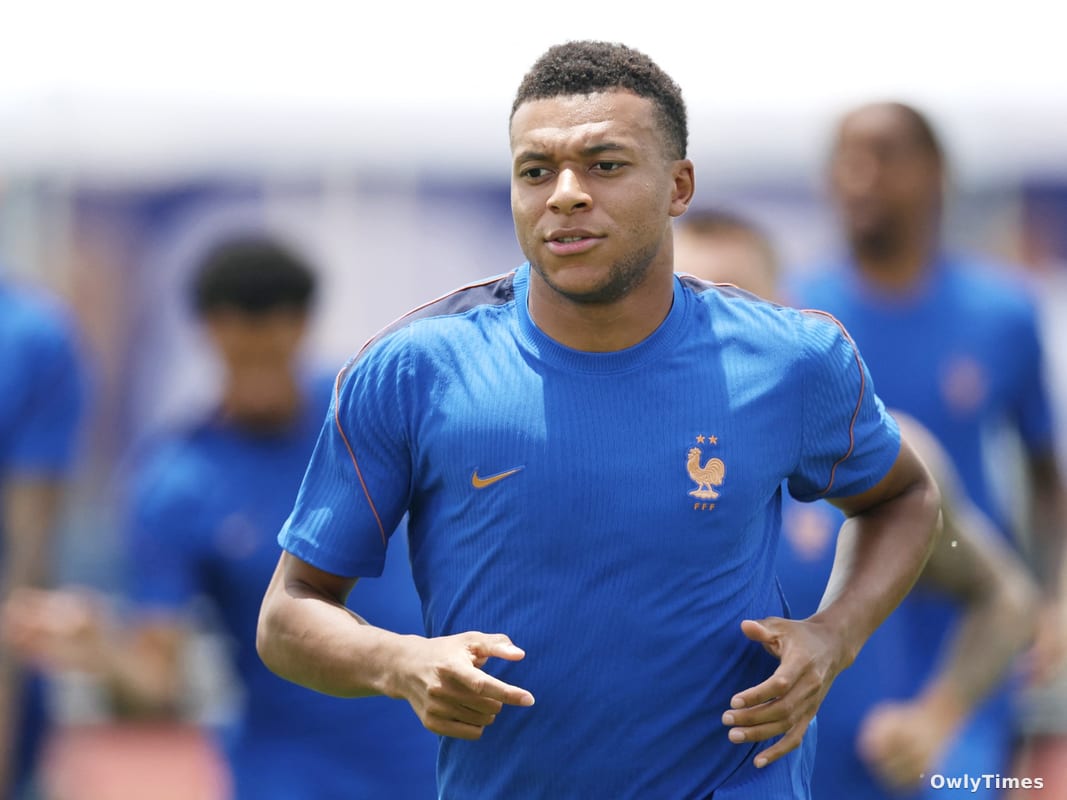

The tension in Dallas ahead of Tuesday’s World Cup semifinal between France and Spain is palpable, but for all the tactical maneuvering occurring on the training pitch, the loudest reverberations are currently being felt in the corridors of power. As coach Didier Deschamps prepares his side for a tactical chess match, the French national team finds itself embroiled in a broader, uglier debate regarding identity and race that has transcended the boundaries of sport.
A Battle for Control, On and Off the Pitch
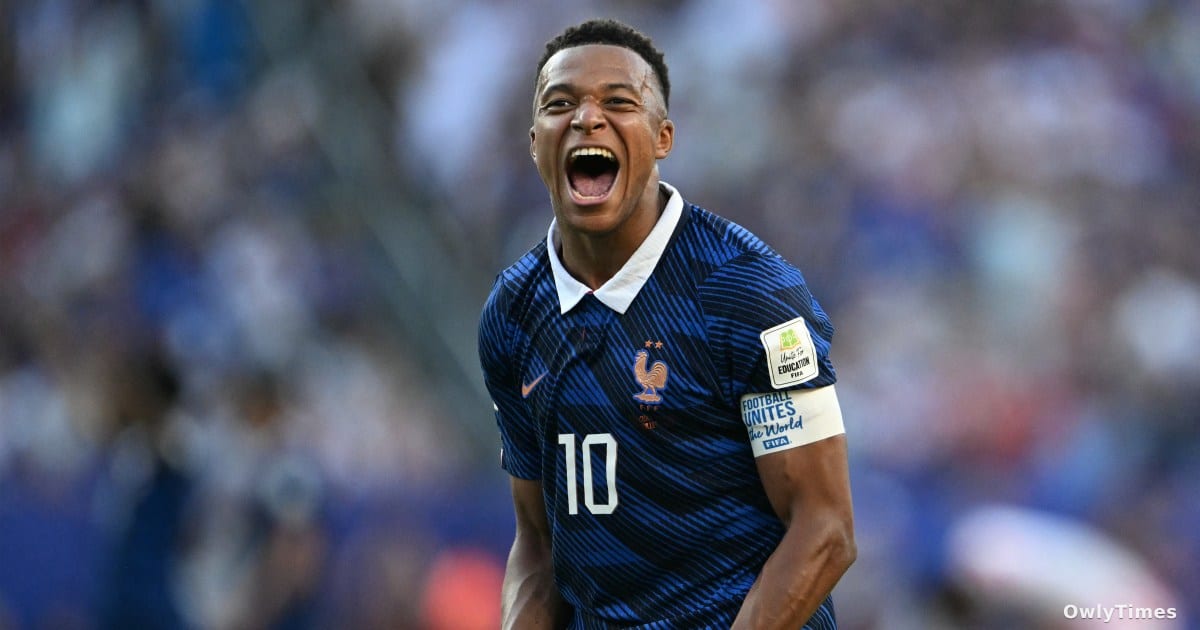
On the field, the primary concern for France is how to neutralize Spain’s possession-heavy rhythm. According to Al Jazeera, Deschamps has confirmed that captain Kylian Mbappé is fit to play despite suffering a minor ankle injury in the quarterfinal win against Morocco. While the star forward was restricted to light training on Monday, Deschamps dismissed concerns about his availability. Meanwhile, the return of midfielder Aurelien Tchouameni from a hamstring injury provides a crucial defensive shield, though the coach noted the 26-year-old is not yet at 100% capacity.
Beyond the tactical preparations, however, the French camp has been forced to confront a hostile climate. As reported by both ABC News and The Independent, former Spanish Prime Minister Mariano Rajoy ignited a firestorm by claiming in a column for El Debate that France’s team "does not have any French players." The comment, published July 10, has been widely condemned as racist by officials in both nations.
The Pushback Against Divisive Rhetoric
The backlash was swift and institutional. French Foreign Minister Jean-Noël Barrot told BFM TV that the assertion was a product of "stupidity, racism or a combination of the two," while French Football Federation president Philippe Diallo stated on X that the remarks carried "intolerable whiffs of racism." The controversy reached the highest levels of the Spanish government, with Prime Minister Pedro Sánchez issuing a pointed rebuke on social media, declaring that while some measure belonging by skin color or surname, others define it by "our roots in a country and our will to contribute to it."
This incident marks a recurring theme for the French squad during the 2026 tournament. The Independent notes that this follows a separate incident earlier this month, where Mbappé publicly criticized Paraguayan senator Celeste Amarilla for mocking his origins and upbringing. These repeated attacks highlight a troubling intersection where international football becomes a lightning rod for nationalist rhetoric, forcing players to defend their national identity even as they represent their country on the world’s biggest stage.
Defining the Future of the Game
As the focus shifts back to the grass, the tactical battle remains as intricate as ever. Deschamps emphasized the need for "adaptation," noting that while France has faced Spain in previous major tournaments—including a loss in the Euro 2024 semifinals—the current form of both squads makes those past results largely irrelevant. For the French, the challenge is to use their pace to disrupt a Spanish side that thrives on exhausting opponents through prolonged possession.
Ultimately, this semifinal is more than a bid for a third successive World Cup final appearance for France. It has become a referendum on what it means to be a modern national representative. As the industry watches, the outcome of Tuesday's match will settle who advances to Sunday's final against either England or Argentina, but the cultural impact of this week’s discourse suggests the game will be judged as much by the values displayed off the field as by the performance on it.