
The strobe lights at Miami’s E11EVEN nightclub were still pulsing at 3:30 a.m. on Sunday morning, but for Erling Haaland, the intensity of the pitch had been replaced by the rhythm of a Flo Rida performance. Fresh off a heartbreaking 2-1 quarterfinal exit against England, the Norwegian striker led his teammates into the club, a scene that captured the surreal intersection of elite sports and global celebrity. While the "Striking Viking" and his squad—including Alexander Sørloth, Antonio Nusa, Oscar Bobb, Andreas Schjelderup, and Julian Ryerson—sought a reprieve from the scrutiny of the 2026 World Cup, their presence underscored a tournament defined by massive shifts in both narrative and scale.
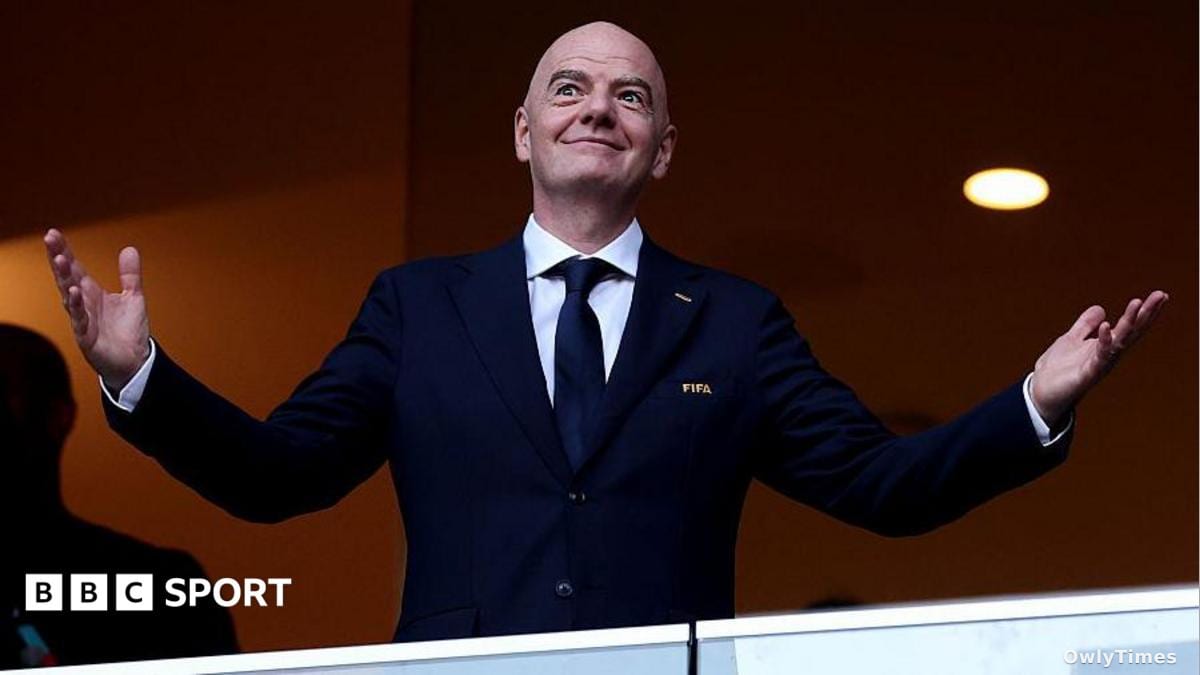
Beyond the headlines of late-night celebrations and the scrappy nature of their defeat, the broader football world is grappling with the future of the sport’s most prestigious event. According to the BBC, FIFA President Gianni Infantino has signaled that a 64-team World Cup is on the horizon for assessment following the conclusion of the 2026 tournament. The proposal, which would nearly double the traditional field size, is framed by Infantino as an effort to ensure the tournament is for the "whole world" rather than just traditional powerhouses in Europe and South America. Al Jazeera reports that the FIFA president explicitly cited the performance of African nations—nine out of 10 reaching the knockout stages—as proof that inclusivity drives quality.
However, the path to 64 teams is far from paved, with significant friction between FIFA’s leadership and continental governing bodies. Both the BBC and Al Jazeera confirm that UEFA President Aleksander Ceferin has dismissed the expansion as a "bad idea," while Asian Football Confederation President Sheikh Salman bin Ibrahim Al Khalifa warned that such a move would descend into "chaos." The discord highlights a fundamental tension in the industry: the commercial and developmental pressure to expand versus the logistical strain of managing a tournament that, by 2030, is already set to span six countries across three continents.
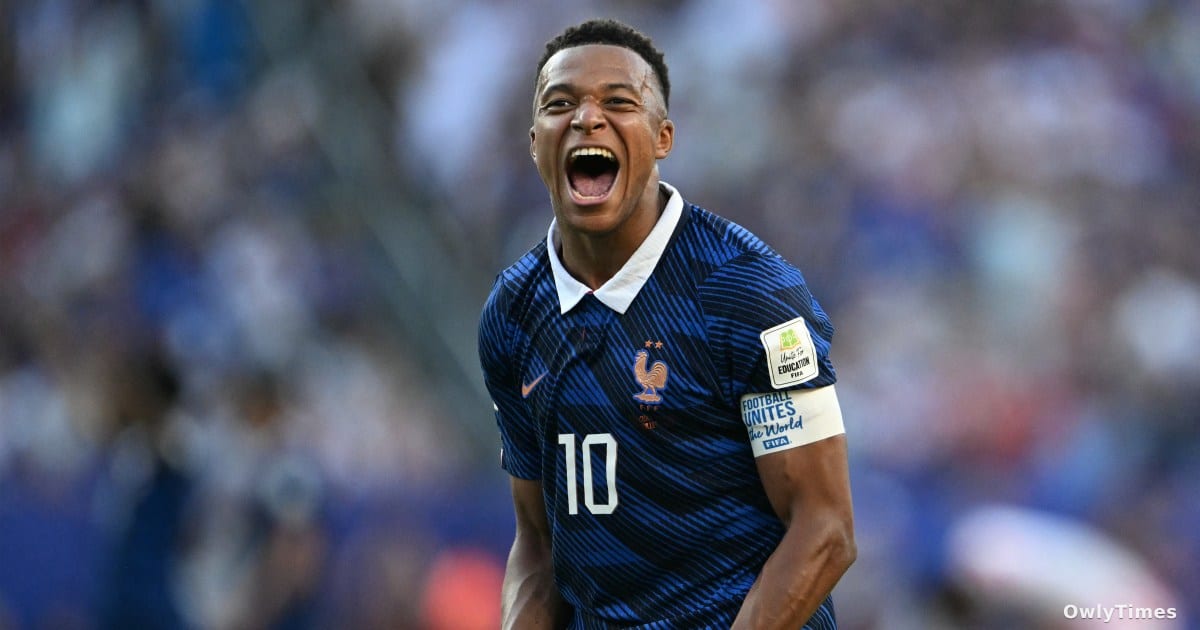
As the tournament pushes toward its conclusion, the cultural impact of the current 48-team format remains visible in the surging popularity of individual stars. Rolling Stone notes that Norway’s Cinderella run, despite the loss to England, has led to a complete sell-out of official team jerseys on Nike’s website. This market frenzy mirrors the heightened stakes on the field, where CBS Sports reports that high-stakes betting and tactical analysis are intensifying as the tournament narrows. With France—the world’s top-ranked team—preparing to face Spain in the semifinals on Tuesday, the focus is shifting from the potential of a 64-team future back to the immediate pressure of the current bracket.
The divide between the administrative ambitions of Infantino and the concerns of figures like Ceferin suggests that the industry is at a crossroads. While the BBC notes that the FIFA council has not yet set a timeline for a formal vote, the conversation itself marks a permanent shift in how football defines its global reach. For now, the sport remains anchored in the drama of the present—whether it is the tactical battle in Dallas or the late-night celebrations of stars who have become the face of a rapidly evolving global game.