
Is the modern World Cup becoming a scripted drama where the technology meant to ensure fairness is actually fueling the suspicion that the game is rigged? The real story here isn't the high-scoring spectacle on the pitch—it’s the growing friction between human intuition and the black-box algorithms designed to replace it.
The VAR Transparency Crisis
As we head into the semi-finals of the 2026 World Cup, the Video Assistant Referee (VAR) system has become the tournament’s most polarizing player. According to WIRED, the controversy reached a fever pitch following Argentina’s 3-2 victory over Egypt, a match that saw the Egyptian Football Association file a formal protest with FIFA. The core complaint isn't just about a missed call; it’s about a perceived lack of consistency that has led critics to suggest the system is being manipulated to favor specific national teams.
Much like a faulty GPS that insists you turn left into a brick wall, VAR provides the data, but the human interpretation remains the failure point. While the system now has access to 42 broadcast cameras and semi-automated offside detection, the decision-making process involves a refereeing team of four individuals. As sports analyst Fernando Galván noted to WIRED, we have shifted from a world where the center referee made every call to one where they sometimes delegate their autonomy to a screen, creating a cycle of reliance that feels increasingly opaque to the average fan.
The High-Stakes Path to the Final
Beyond the screen, the actual bracket is shaping up to look like a collection of FIFA’s top-ranked seeds, leading some to question if the tournament’s seeding process has stripped away the unpredictability that makes sports essential. Sky Sports reports that we are left with a "semi-final line-up for the ages," but notes that the draw was effectively pre-configured to prevent top teams from meeting early.
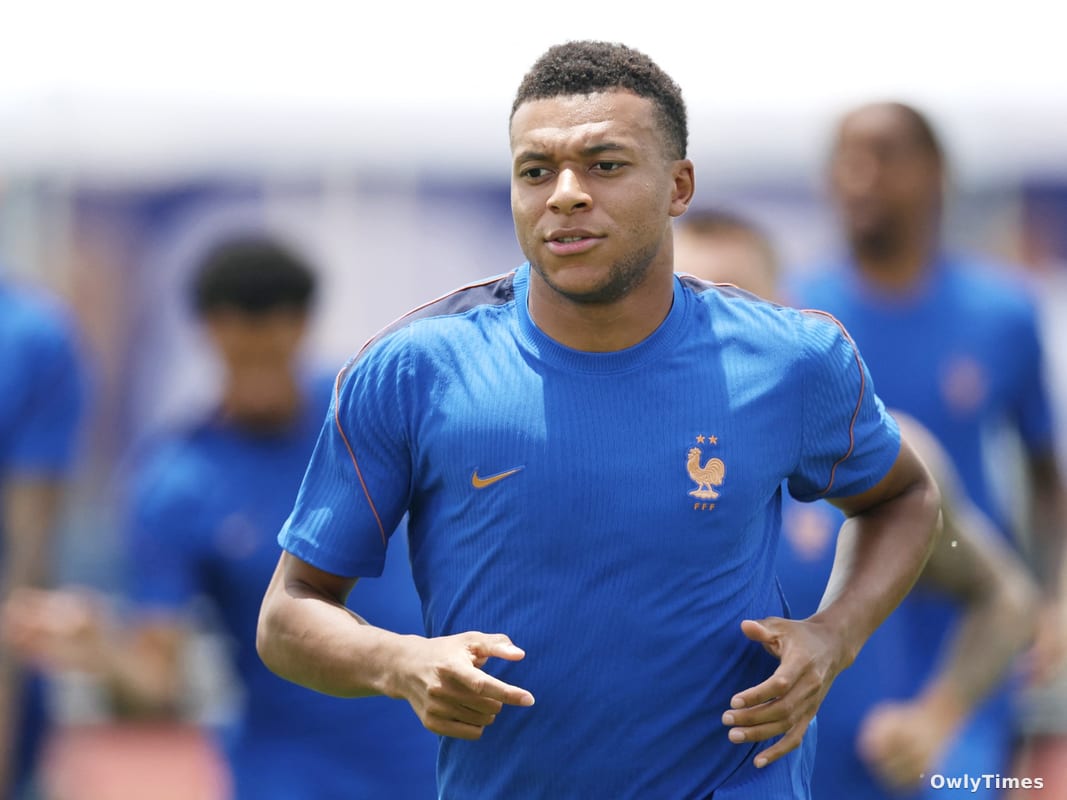
The upcoming clash between France and Spain highlights the gulf in tactical approaches. While France leads the tournament in shots on target and expected goals, Spain has prioritized "defense by proxy," maintaining possession at an 83.9 percent accuracy rate. This isn't just a game of soccer; it’s a data-driven chess match where the ability to control the ball is being pitted against the raw attacking efficiency of stars like Kylian Mbappé.
Injuries and the Cost of Competition
The physical toll of this tournament is equally transparent, affecting even the most elite squads. The BBC reports that England is currently sweating over the fitness of midfielder Declan Rice, who is recovering from a sickness bug contracted in Mexico. Rice’s situation is a reminder that even the most well-oiled squads are vulnerable to the basic human realities of travel and illness.
Meanwhile, players like Erling Haaland have captured the public imagination for their extreme physical maintenance. According to CBS News, the Norwegian striker reportedly consumes 6,000 calories a day to sustain his performance. While his diet of raw milk and 2.6-pound porterhouse steaks might seem like a gimmick, it underscores the massive physiological gap between professional athletes and the fans watching from the stands.
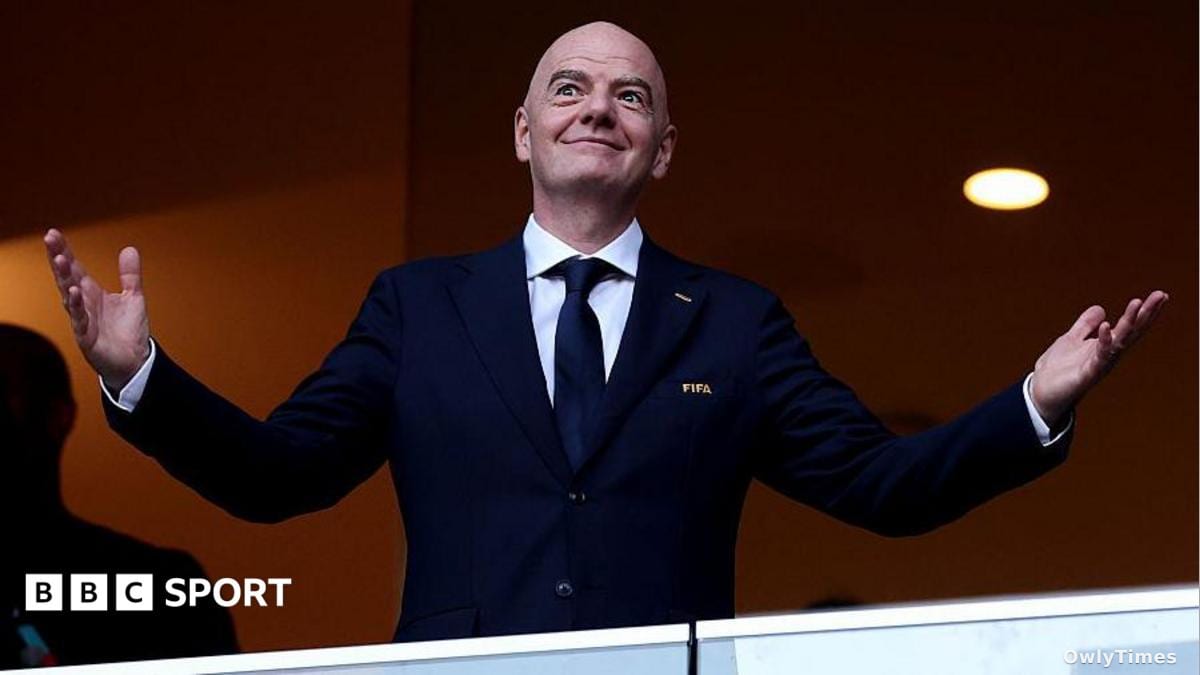
As we look toward the final showdown in New York on July 19, the tension is mounting. Whether France continues its bid to match the historical dominance of teams like West Germany, or Spain manages to break through their creative drought, the outcome will likely be shadowed by the ongoing VAR debate. Expect the focus to shift immediately from the final score to the integrity of the officiating, as FIFA faces mounting pressure to standardize the "black box" decisions that have defined this tournament.