
Is the FIFA World Cup 2026 just a series of soccer matches, or has it become a high-stakes performance art piece where the script is written by algorithms and star power? As we head into the semifinals, the tournament has shed its pretenses of being a democratic contest of nations, solidifying into a showcase for the "usual suspects" of global football.
The real story here isn’t the individual brilliance of the remaining players—it’s the fact that, for the first time in history, the four remaining teams are exactly the top four ranked sides in the world, according to CBS Sports. Think of it like a tech industry consolidation: the "startups" have been cleared out, and we are left with the massive, established conglomerates who have the infrastructure to monopolize the final stage.
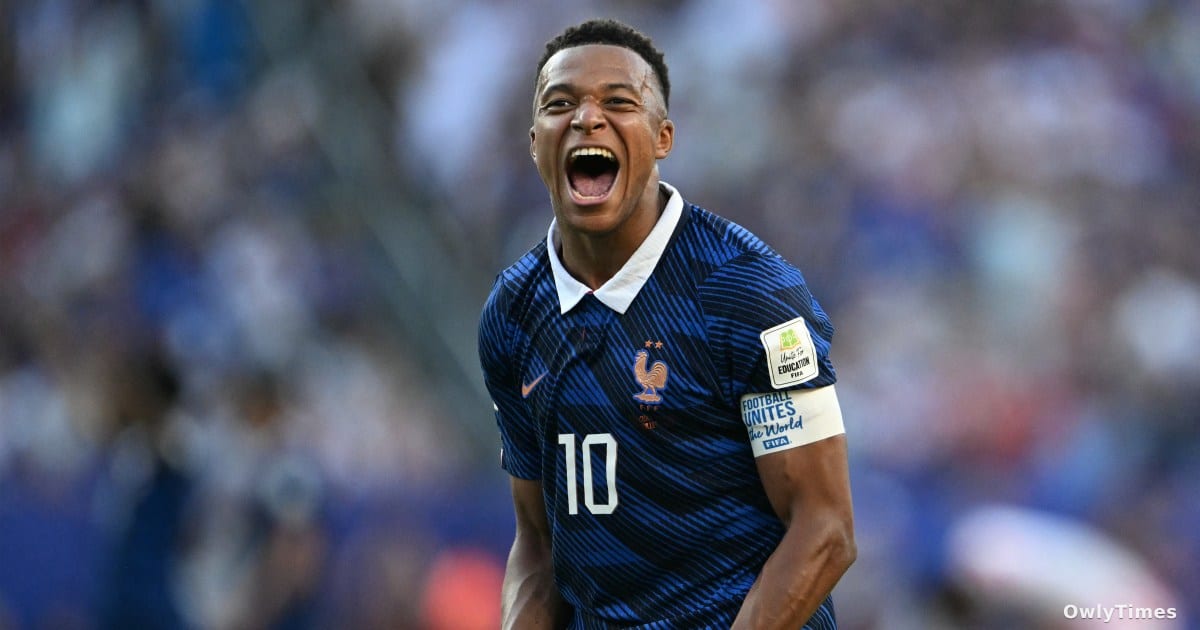
The first of these mega-clashes pits France against Spain at the Dallas Stadium in Arlington, Texas, this Tuesday at 2:00 p.m. (19:00 GMT), as reported by Al Jazeera. While both outlets agree on the venue and timing, they provide different lenses on the tension: Al Jazeera highlights the "clash of styles" between France’s aggressive attack and Spain’s possession-heavy control, while CBS Sports focuses on the narrative tension between club rivals like Kylian Mbappé and Lamine Yamal.
The Data-Driven Narrative
When it comes to the technical probability of success, the predictive modeling is leaning heavily toward the French. According to the Al Jazeera report, Opta’s supercomputer assigns France a 42.1 percent probability of winning in regulation time, compared to Spain’s 31.8 percent. It is a reminder that even in the most human of sports, we are increasingly obsessed with quantifying the "what-if" before the whistle even blows.
For the ordinary fan, this means the tournament has shifted from a Cinderella story to a battle of systems. While Norway’s exit following a 2-1 loss to England was the "Cinderella run" of the summer—even leading to headlines about Erling Haaland partying in Miami, as noted by Rolling Stone—the semifinals are now strictly reserved for the elite.
The Infrastructure of the Final
The second semifinal follows on Wednesday, featuring England against Argentina. The BBC notes that these four teams are "jam-packed with quality," emphasizing the star-studded nature of the remaining rosters. The contrast between these two matches is stark: France vs. Spain is a tactical chess match, while England vs. Argentina carries the heavy baggage of tournament history and chaotic, high-stakes drama.
The winners of these two fixtures will meet for the trophy at MetLife Stadium in New Jersey this coming Sunday. Whether you are rooting for the consistency of the French or the chaotic unpredictability of the Argentines, the tournament’s conclusion will be defined by which team best manages the immense pressure of global expectation. Keep an eye on the officiating in these final matches; after the controversy surrounding Norway's overturned goal in the quarterfinals, the reliance on technical intervention in critical moments will likely be the deciding factor for the eventual champion.