
The hallowed grass of the All England Club has been reclaimed by the grit of the modern game, as the 2026 Wimbledon championships concluded with a blend of historical dominance and the birth of new legends. While the tournament is often framed by the polished elegance of its traditions, this year’s narrative was defined by a visceral, often messy, human struggle for relevance and glory.
A Changing of the Guard and the Rise of the Underdog
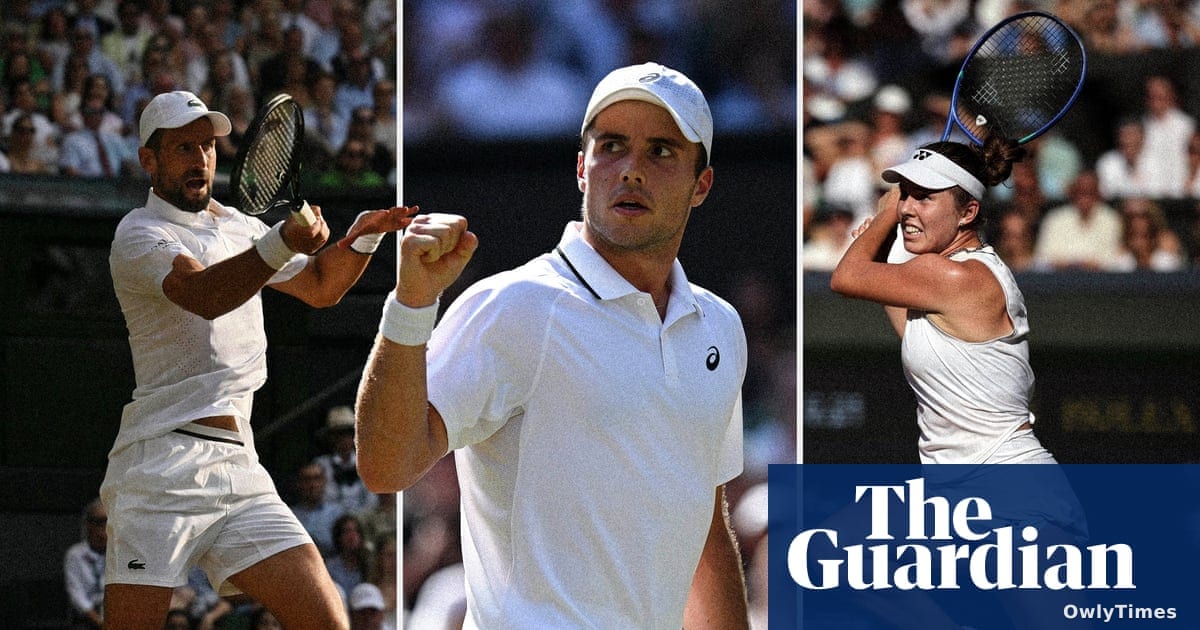
The men’s singles title was captured by Jannik Sinner, who secured his fifth grand slam victory with a statement performance, notably dispatching Novak Djokovic in straight sets before overcoming Alexander Zverev in a four-set battle, according to The Guardian. Sinner’s triumph was a testament to mental fortitude, arriving shortly after a dispiriting exit at the French Open.
The tournament also witnessed the improbable rise of Arthur Fery, a wildcard entrant ranked No. 114 who, according to the BBC, became a central figure in the event's highlight reels alongside household names like Coco Gauff. Fery’s run to the semi-finals saw him climb to world No. 36, a leap that The Guardian highlights as the biggest surprise of the fortnight. His journey—defined by consecutive five-set comebacks—serves as a reminder that the gap between the elite and the rest of the tour is often measured in sheer psychological resilience.
When the Pressure Breaks the Surface
Beyond the scoreboards, Wimbledon 2026 became a theater for the emotional toll of professional competition. Alex de Minaur, the tournament’s fifth seed, offered a startlingly candid window into the fragility of an athlete’s psyche following his fourth-round exit. “It breaks me inside,” de Minaur told reporters, noting that as losses accumulate, the dreams that once felt tangible begin to feel like they are slipping further away.
This tension reached a fever pitch in the mixed-doubles quarter-final between Jelena Ostapenko and Laura Siegemund. Their long-standing rivalry culminated in a heated on-court dispute over time violations, ending with a refusal to shake hands and a stinging parting shot from Ostapenko: “Learn how to lose.” It is a rare, unvarnished glimpse into a sport that typically demands silent stoicism, proving that even on the world’s most prestigious stage, the pressure to perform can override the traditional veneer of sportsmanship.
Resilience in the Face of Collapse
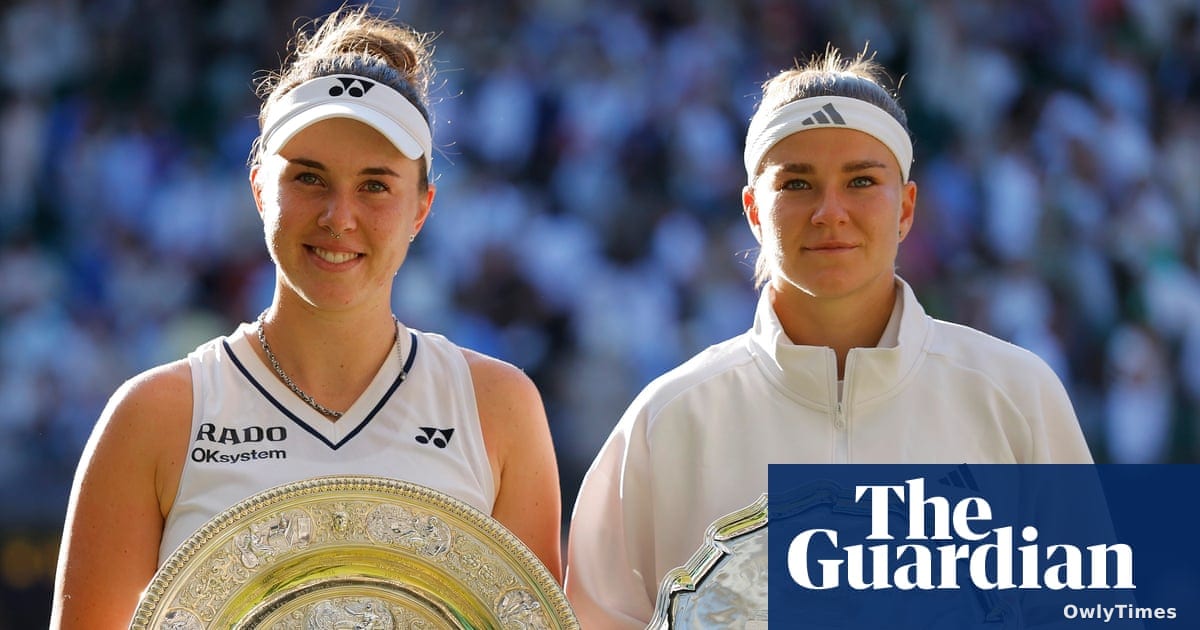
The women’s final provided perhaps the most dramatic psychological arc of the tournament. Linda Noskova secured her first grand slam title, but only after a near-catastrophic collapse against Karolina Muchova. After squandering five championship points and conceding five consecutive games, Noskova’s proximity to the runner-up plate during a bathroom break served as a jarring reminder of what she stood to lose. Her ability to pivot from that moment of potential failure to victory stands as a masterclass in professional recovery.
Beyond the Court: A Shift in Strategy
While the tennis world looks to the future, the wider sporting landscape is undergoing its own tactical recalibration. In a move that highlights the constant pursuit of competitive advantage, Florida State University is set to hire former Texas and FAU head coach Tom Herman to a support staff role, CBS Sports reports.
As Florida State head coach Mike Norvell prepares for a critical 2026 season—supported by the arrival of transfer quarterback Ashton Daniels—the integration of a veteran like Herman underscores the industry-wide trend of prioritizing experienced eyes to navigate offensive transitions. Whether in the high-stakes pressure of a Wimbledon final or the high-pressure environment of collegiate football, these moments matter because they represent the thin line between a legacy solidified and an opportunity lost. The industry is currently moving toward a model where marginal gains—whether through a coach’s tactical adjustments or a player’s late-match mental reset—are the primary currency of success.