
Beyond the Badge: A Rising Crisis in Law Enforcement Mental Health
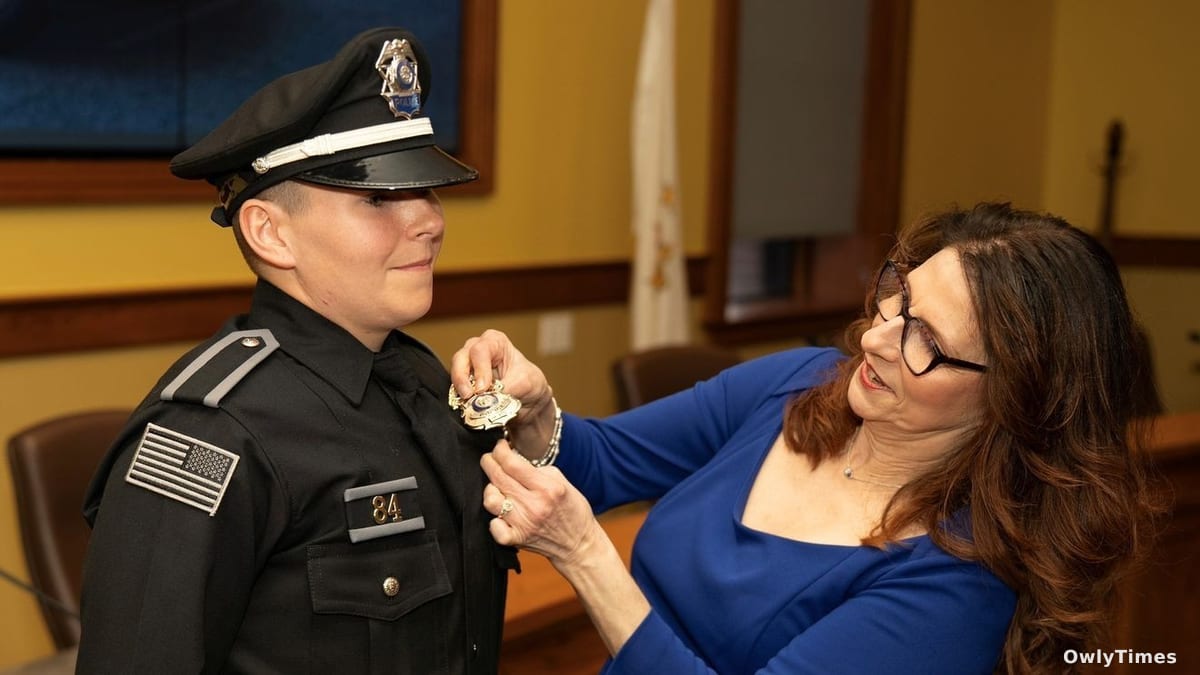
The death of North Kingstown Police Officer Brittany Dougal on March 4, 2026, is being framed as a tragedy for a young officer with a promising career, cut short after only three months on the force. However, focusing solely on the loss of potential obscures a more urgent and systemic issue: the escalating mental health crisis within law enforcement itself. While headlines report a suicide following a battle with mental illness, the context reveals a profession increasingly burdened by unique stressors, and a system still grappling with how to adequately support those who uphold the law. This isn’t simply about one officer’s struggle; it’s about a pattern emerging, underscored by a second crisis call ending in tragedy within the same week in the region, demanding a critical examination of the pressures faced by those behind the badge.
The North Kingstown Police Department’s statement acknowledging Dougal’s mental health challenges is a crucial, if painful, step toward destigmatizing these issues within the force. It’s a departure from previous eras where such struggles were often concealed, and officers were expected to maintain an image of unwavering strength. What’s particularly noteworthy is the acknowledgement coming alongside the announcement of her death, suggesting a willingness to confront the issue directly, even in the face of profound grief. Colonel Michael Correia, president of the Rhode Island Police Chiefs' Association, articulated the evolving understanding within departments, noting a growing “cognizance of…mental health within their own organizations.” This isn’t merely about awareness campaigns; it reflects a shift in recognizing that the demands of the job – exposure to trauma, constant vigilance, and the weight of public responsibility – take a significant toll.
This piece references the turnto10.com report.
The challenge, as Correia points out, lies in the inherent ambiguity of crisis response. Modern policing requires officers to rapidly assess situations that may appear criminal but are, in fact, rooted in mental health emergencies. This necessitates a delicate balance: ensuring public safety while de-escalating potentially volatile situations involving individuals in crisis. The training to achieve this balance is evolving, moving away from purely tactical approaches toward strategies that prioritize understanding the underlying causes of distress. This evolution is significant, as it acknowledges that effective policing isn’t solely about enforcing the law, but also about providing a pathway to care for those in need. However, the fact that this shift is relatively recent – and still unfolding – suggests a gap between ideal training and real-world application, particularly for newer officers like Dougal who had only recently completed the academy.
It’s important to understand what the data doesn’t tell us. While Correia highlights increased access to mental health professionals for officers, the NBC 10 News report doesn’t detail the specifics of these resources – their availability, accessibility, or utilization rates. Are these services proactive, offering preventative care, or primarily reactive, available only after a crisis emerges? Furthermore, the report doesn’t address the potential barriers to seeking help within a culture that historically values stoicism and self-reliance. The statement urging those in crisis to “take a deep breath” and avoid “permanent decisions” is well-intentioned, but it’s a broad message that doesn’t address the complex factors contributing to suicidal ideation, nor does it acknowledge the systemic pressures that may exacerbate these feelings.
Limitations to consider include the inherent difficulty in accurately assessing the prevalence of mental health issues within law enforcement. Stigma, fear of career repercussions, and a lack of comprehensive data collection all contribute to an underreporting of struggles. The fact that this tragedy occurred so soon after Dougal’s graduation from the academy also raises questions about the adequacy of psychological screening and support during the formative period of an officer’s career. The next crucial research steps involve longitudinal studies tracking the mental health of officers from recruitment through retirement, coupled with detailed analyses of departmental support systems and their effectiveness. We need to move beyond simply acknowledging the problem and toward identifying concrete, evidence-based solutions. Specifically, departments should be evaluated on their proactive mental health initiatives – not just the availability of resources, but the culture of support they foster. The question now isn’t just how we mourn Officer Dougal, but how we ensure that her tragedy serves as a catalyst for meaningful change, preventing future losses within the law enforcement community.