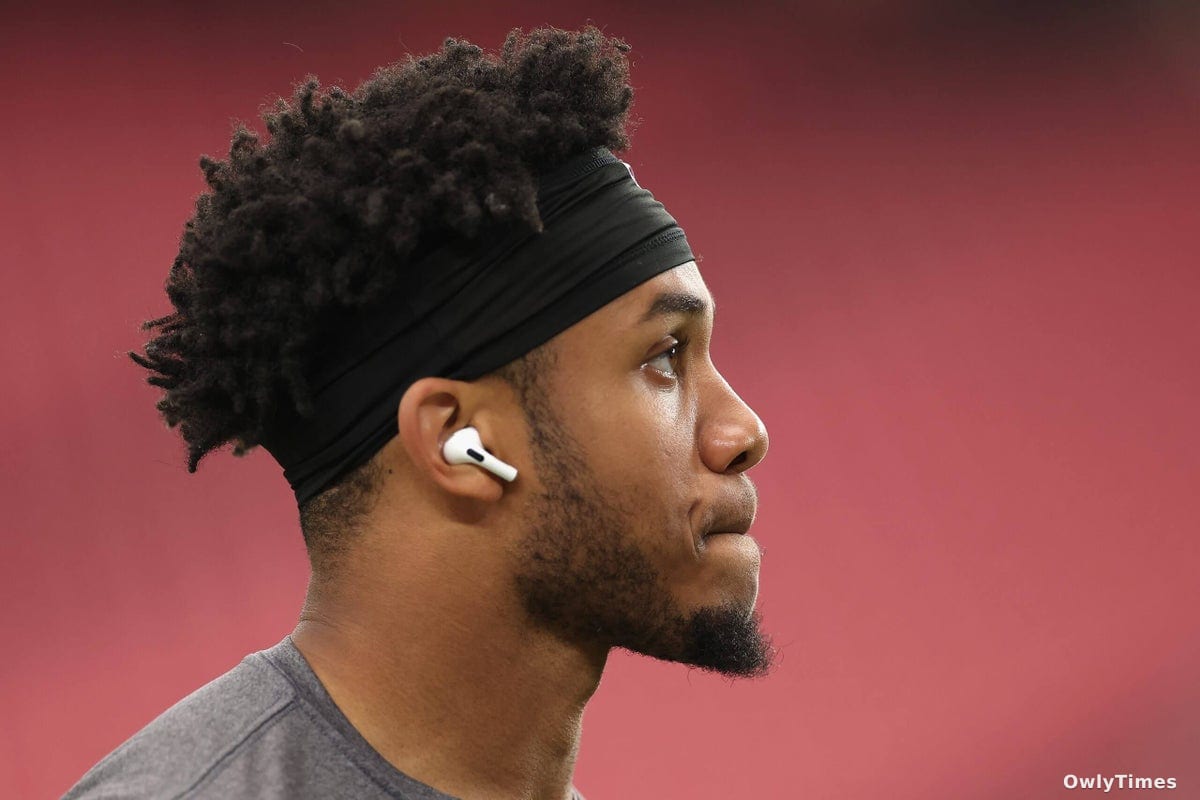

The grainy footage looped on sports channels all day Saturday: Rondale Moore, a blur of motion in a Purdue Boilermakers uniform, leaving defenders grasping at air. It was a highlight reel of potential, of a player nicknamed “Tyreek Hill in college” by those who’d faced him, like Maxx Crosby of the Raiders, who remembered Moore as “the coldest dude” he’d ever played against. But the replays felt hollow, a cruel irony given the news that had silenced that explosive energy. Moore, 25, was found dead in New Albany, Indiana, from a self-inflicted gunshot wound, a tragedy that sent a ripple of grief and urgent conversation through the NFL. This wasn’t just another sports headline; it was a stark reminder of the hidden battles fought by those we cheer on every Sunday.
The Weight of the Unseen Battle
The immediate outpouring on social media wasn’t about yards gained or draft position. It was a chorus of “check in on your people.” Darius Slay of the Bills simply wrote, “Check in on your people man!!” while Jamal Adams of the Raiders, acknowledging the often-brutal scrutiny players face, pointedly noted, “Fans and media be quick to label a player ‘injury prone.’ We don’t choose to get hurt… No matter how much support you get, you still gotta fight that battle alone.” Adams’ comment cuts to the core of a pervasive issue in professional sports: the dehumanization of athletes, reduced to statistics and performance metrics, their internal struggles often dismissed or ignored. Moore’s career had been hampered by injuries in recent years, a narrative that easily lends itself to the “what if” lament, but obscures the emotional toll of physical setbacks and the pressure to constantly perform. The NFL, a $16 billion industry in 2025, generates immense revenue from the physical and mental exertion of its players, yet historically lags in providing comprehensive mental health support.
A Pattern of Loss and a League in Reflection
This tragedy isn’t isolated. Just 3 ½ months prior, Marshawn Kneeland, a 24-year-old defensive end for the Dallas Cowboys, died by suicide after a police chase. The circumstances surrounding Kneeland’s death – a welfare check requested after concerning text messages – are particularly chilling, highlighting the desperate need for proactive intervention. Two young men, at the peak of their physical prowess, lost to a silent enemy. The NFL has increased its mental health resources in recent years, offering confidential counseling and support programs, but the fact that these deaths are occurring despite those efforts raises serious questions about accessibility, stigma, and the effectiveness of current initiatives. In 2024, the league allocated $5 million to mental health programs, a figure that, while substantial, represents less than 0.03% of its total revenue. Compare that to the $200 million spent on marketing alone.
Drawn from The New York Times.
Beyond the Field: The Cost of Performance
The messages from Moore’s teammates – Kyler Murray, Hollywood Brown, and Zach Allen among them – were raw and deeply personal. Murray’s Instagram post, “I just spoke to you bro,” speaks to the suddenness and the lingering disbelief. Brown’s message, “You wasn’t alone bro.. I told you I know how you feel,” is a heartbreaking testament to the isolation that can accompany even the most visible of lives. These aren’t just teammates mourning a colleague; they’re friends grappling with the realization that they may have missed warning signs, that the facade of strength and success can mask profound pain. The culture of hyper-masculinity prevalent in football, where vulnerability is often seen as weakness, undoubtedly contributes to this silence. Players are expected to be resilient, to “tough it out,” even when battling internal demons.
What Now for the NFL and its Players?
The NFL finds itself at a critical juncture. The outpouring of grief and the calls for greater mental health awareness aren’t simply a fleeting moment of sentimentality. They represent a demand for systemic change. Will the league significantly increase funding for mental health resources, moving beyond symbolic gestures to tangible support? Will they actively work to dismantle the stigma surrounding mental health, fostering a culture where players feel safe seeking help without fear of judgment or repercussions? And perhaps most importantly, will they address the underlying pressures that contribute to these tragedies – the relentless demands of the game, the constant scrutiny, and the pressure to maintain a carefully curated public image? The deaths of Rondale Moore and Marshawn Kneeland are not just losses for their families and teams; they are a challenge to the NFL to prioritize the well-being of its players, not just as athletes, but as human beings. The question isn’t whether the league will respond, but how meaningfully they will respond, and whether that response will come before another life is lost.