
The air in Greenville, South Carolina is thick with anticipation, but for three North Carolina teams, the path to March Madness glory looks drastically different. While the Duke Blue Devils bask in the glow of a No. 1 overall seed – a testament to their dominant 32-2 season – UNC and NC State find themselves navigating a more precarious route. It’s a stark illustration of the widening chasm within the ACC, a conference attempting to reclaim its basketball prestige, and a reminder that even pedigree doesn’t guarantee an easy road in the modern tournament landscape. This isn’t just about bracketology; it’s about the pressures of expectation, the realities of injury, and the evolving dynamics of power in college basketball.
Duke’s Burden of Perfection
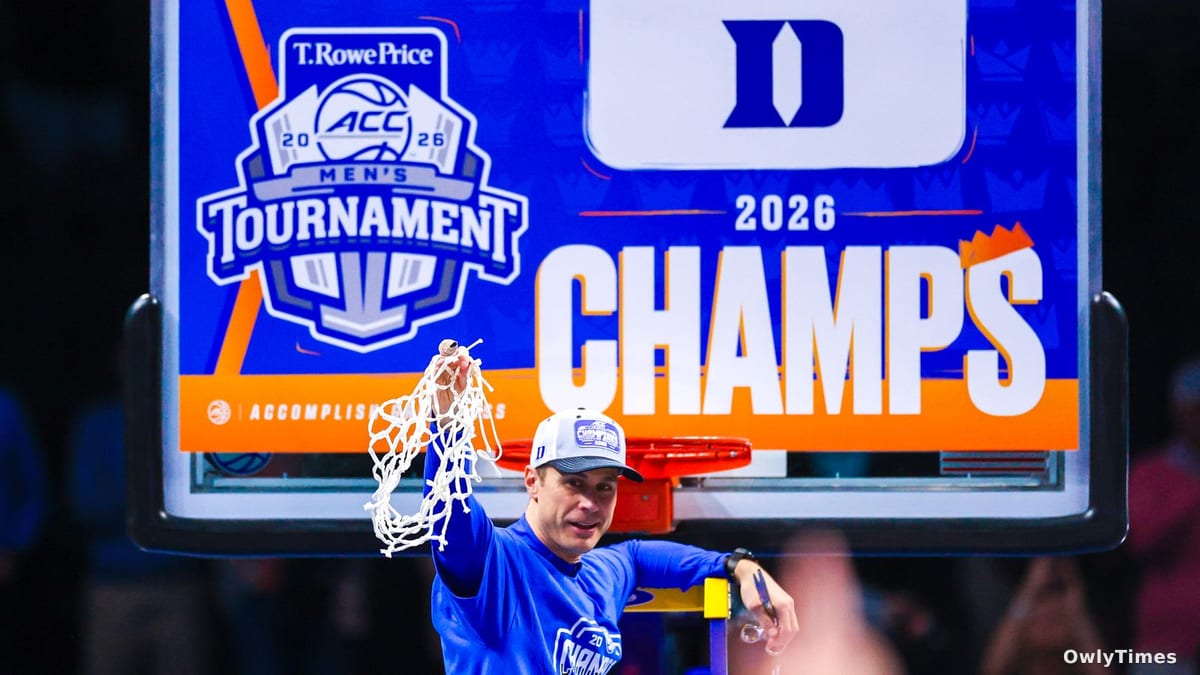
Jon Scheyer has built a machine in Durham, and the selection committee has acknowledged it. Duke’s top seed isn’t a surprise, but it’s a weight. The Blue Devils, fresh off their second consecutive ACC Championship, are expected to not just win, but to dominate. Their first test comes Thursday against Siena (23-11), a seemingly manageable opponent, but one that shouldn’t be underestimated. The bigger concern looming over Cameron Indoor Stadium isn’t the Saints, but the health of their roster. The absence of starting point guard Caleb Foster (right foot fracture) has thrust freshman Cayden Boozer into a crucial role, a challenge Scheyer acknowledges. “He’s played in crunch time throughout the whole season,” Scheyer said after the ACC Championship, “There's just more on his shoulders now.” The committee chair, Keith Gill, confirmed the selection committee factored Duke’s injuries into their assessment, believing the team would be closer to full strength as the tournament progresses. But a championship run with a key player sidelined demands resilience, and any slip-up could shatter the narrative of invincibility.
This article draws on reporting from wral.com.
The ACC’s Uneven Representation
The fact that eight ACC teams earned bids to the tournament – the most since 2021 – speaks to a resurgence in conference strength, but also highlights its internal inconsistencies. Duke’s dominance stands in sharp contrast to NC State’s precarious position. The Wolfpack (20-13) landed in the First Four, tasked with a play-in game against Texas (18-14) on Tuesday night in Dayton, Ohio. Will Wade’s team, despite a late-season slump losing seven of their last nine games, is in, but with a clear message from the committee: you earned this, and it wasn’t easy. Wade himself admitted, “I’m shocked by going to Dayton, but, I mean, look, we did it to ourselves.” The committee’s decision to pit NC State against Texas, a team they already lost to in the Maui Invitational (102-97), feels particularly harsh, and Gill conceded the committee had to “relax” its usual principles to accommodate the sheer number of ACC and SEC teams vying for spots. This isn’t just about NC State; it’s about the committee signaling that bubble teams need to build a stronger resume to avoid the anxiety of Selection Sunday.
UNC’s Challenge Beyond the Bracket
For North Carolina, the path is less about avoiding a play-in game and more about overcoming a devastating injury. The loss of Caleb Wilson to a broken thumb has fundamentally altered the Tar Heels’ offensive dynamic. While they secured a No. 6 seed and a first-round matchup against VCU (27-7), the question isn’t whether they can win, but whether they can replicate their pre-injury form. The committee acknowledged Wilson’s absence, according to Gill, but a seed line can only account for so much. UNC’s recent struggles – losing their final two regular season games and falling to Clemson in the ACC quarterfinals – underscore the challenge. Their history, boasting the second-best NCAA Tournament winning percentage of all time (134-51), offers a comforting legacy, but legacies don’t win games; healthy players do.
Beyond the Headlines: The Shifting Power Dynamics
The contrasting fortunes of these three programs aren’t simply a matter of wins and losses. They reflect a broader trend in college basketball: the increasing importance of roster stability and the impact of the transfer portal. Duke’s success is built on a core of returning talent and highly-rated recruits, while NC State and UNC have faced more roster turnover and injury challenges. The fact that eight ACC teams made the tournament, while impressive, doesn’t erase the fact that the conference is still chasing the dominance of the Big Ten and Big 12, both of which secured nine and eight bids respectively. The committee’s willingness to bend its rules to accommodate a crowded field of contenders suggests a growing awareness of the competitive landscape, but also raises questions about the fairness of the selection process.
This March Madness isn’t just about crowning a champion; it’s about observing how programs adapt to a rapidly changing environment. Will Duke’s depth and Scheyer’s coaching be enough to overcome the pressure of a No. 1 seed and potential injury concerns? Can NC State defy the odds and make a run from the First Four? And can UNC find a way to compensate for the loss of Wilson and rediscover its offensive rhythm? The answers to these questions will not only determine the fate of these three North Carolina teams, but will also offer a glimpse into the future of college basketball – a future where resilience, adaptability, and a little bit of luck are more valuable than ever. The real question isn’t who will win the championship, but whether the traditional power structures of college basketball will continue to hold, or if a new era of parity is truly upon us.