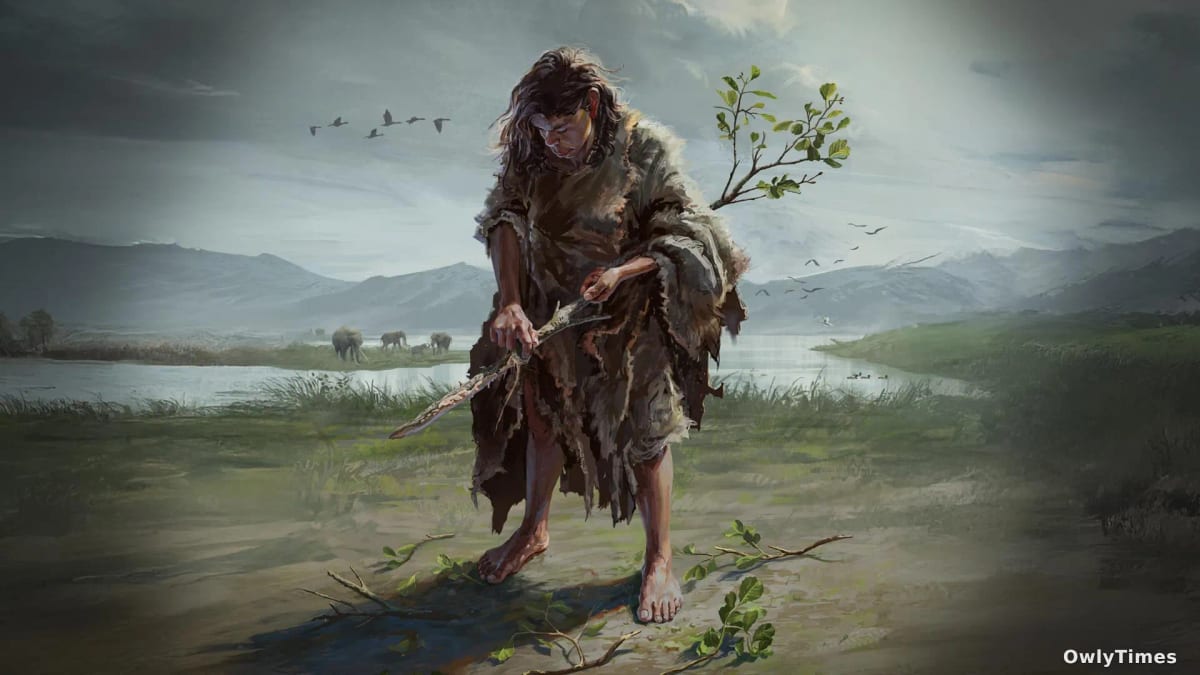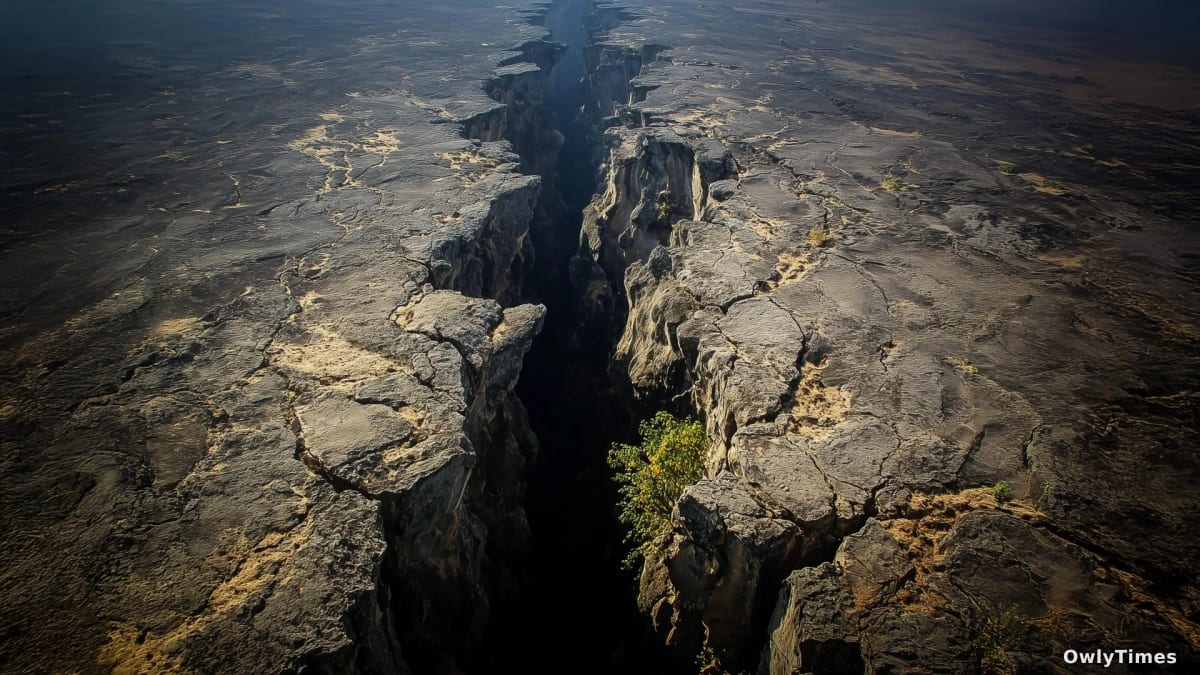

For decades, the Turkana Rift in East Africa has been viewed through the lens of human origins, a cradle where our ancestors emerged and evolved. Yet, the physical ground beneath this cradle is currently engaged in a far more profound transformation. New geological data reveals that the Earth’s crust here is thinning to a critical point, a process scientists call "necking." This is not merely a local seismic curiosity; it is a signal that the African continent is in the early, slow-motion stages of tearing itself in two.
The Mechanics of a Continental Breakup
At the heart of this geological phenomenon is the stretching of the lithosphere. As tectonic plates pull away from one another, the crust loses its structural integrity, effectively thinning like a piece of taffy being stretched to its limit. This thinning is the primary indicator that the Turkana Rift has entered an advanced stage of rifting.
While the human eye perceives the landscape as permanent, the data suggests a future characterized by radical oceanic change. If this crustal thinning continues at its current trajectory, the rift will eventually deepen and widen to the point of flooding. Millions of years from now, the land we currently identify as East Africa could be separated by a new ocean basin, fundamentally altering the geography of the planet.
Preservation Over Origin
The scientific narrative surrounding the Turkana Rift has long been dominated by the search for the "birthplace of humanity," given the region’s extraordinary abundance of hominid fossils. However, the same tectonic forces currently pulling the continent apart may be the primary reason we have such a clear window into our past. The process of rifting creates rapidly subsiding basins, which act as natural traps for sediment.
These basins serve as protective vaults, burying organic matter quickly and shielding it from the erosive forces of the surface. What researchers once interpreted as a unique biological hotspot may actually be a geological artifact. Rather than being the exclusive cradle of our species, the Turkana Rift might simply be the place where the environmental conditions were best suited to archive the history of life. The rift’s tendency to create space for sediment accumulation has ensured that the fossil record here is more complete than in regions where the crust remains stable and subject to constant erosion.
Limitations of Deep-Time Modeling
It is vital to distinguish between the observation of current crustal thinning and the inevitable formation of an ocean. Headlines often suggest an imminent geological catastrophe, but "millions of years" remains the standard operating timeline for such tectonic shifts. We are observing a snapshot of a process that operates on a scale far removed from human civilization.
Furthermore, the "necking" process is not uniform. Geological complexity means that while the crust is thinning, the rate and exact path of the rift can fluctuate due to underlying mantle plumes and variations in rock composition. We have identified the thinning as a current reality, but the precision with which we can predict the exact moment of final separation remains limited by our inability to model long-term subterranean heat flow with perfect accuracy.
Tracking the Continental Stretch
The next steps for researchers involve a more granular analysis of the seismic activity currently occurring beneath the Turkana Rift. By deploying more sensitive monitoring equipment, geologists hope to measure the exact velocity at which the crustal thinning is progressing. The next readings of regional tectonic displacement will be the metric that determines whether this rifting process is accelerating or settling into a long-term, steady-state crawl. Understanding these dynamics is essential for confirming whether the rift will follow the classic model of continental breakup or if localized geological anomalies will force a change in the expected tectonic path.