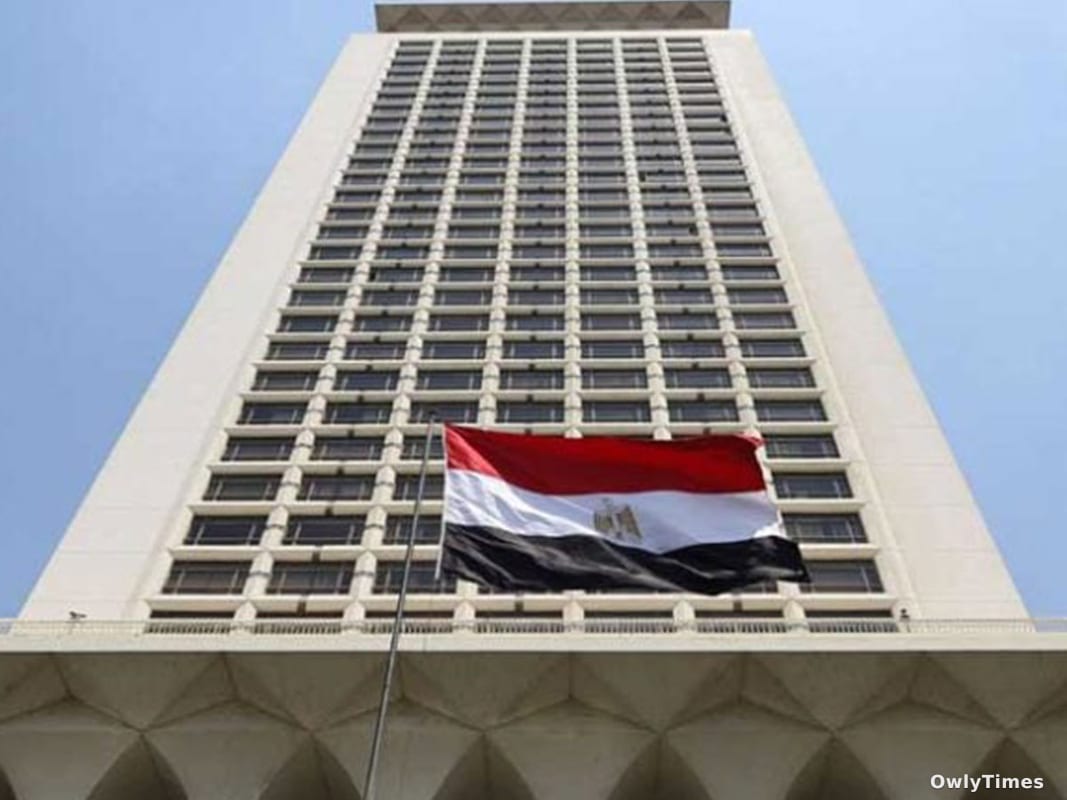

Egypt’s Condemnation Signals a Shift in Regional Balancing Act
The swift and unusually direct condemnation issued by Egypt on February 28th regarding Iran’s actions isn’t simply a statement of principle; it’s a calculated repositioning within the complex web of Middle Eastern alliances. While Egypt routinely calls for de-escalation, explicitly naming Qatar, the UAE, Kuwait, Bahrain, and Jordan alongside itself as targets of Iranian policy represents a significant hardening of its stance and a clear alignment with those nations most directly threatened by Iranian missile and proxy capabilities. This isn’t about preventing violence – the region is already steeped in it – but about drawing a new red line and signaling to both Iran and its allies where Egypt stands in the escalating conflict. The timing, following a period of relative Egyptian neutrality in regional disputes, is particularly telling.
Based on the original qna.org.qa report.
Who Gains and Loses in Cairo’s New Position
The immediate beneficiaries of Egypt’s statement are the Gulf states – particularly Qatar and the UAE – who have long been vocal about Iranian interference. For Qatar, facing ongoing diplomatic pressure and security concerns, the Egyptian endorsement validates its position and strengthens its argument for collective security measures. The UAE, heavily reliant on its security partnerships, gains a powerful ally in its efforts to counter Iranian influence. Jordan, vulnerable due to its proximity to both Syria and Iraq, also benefits from the bolstered regional consensus. Conversely, Iran is the clear loser, facing increased diplomatic isolation and a more unified front against its regional ambitions. However, the most interesting dynamic is the potential impact on Egypt’s own standing. By taking a firm stance, Cairo risks alienating potential mediators and complicating its already delicate relationship with Iran, a country with which it maintains limited but crucial economic ties.
Echoes of Nasser and the Non-Aligned Movement
This shift in Egyptian policy evokes historical parallels to the era of Gamal Abdel Nasser and the Non-Aligned Movement. Nasser, while championing Arab nationalism, also sought to balance between the superpowers and maintain a degree of independence. Today, Egypt under President Abdel Fattah el-Sisi appears to be recalibrating that balance, prioritizing security concerns and aligning more closely with the conservative Gulf states. However, unlike Nasser’s era, the current landscape is defined not by Cold War rivalry but by a localized power struggle between Iran and Saudi Arabia, with Egypt now more explicitly siding with the latter’s sphere of influence. The key difference is that Nasser’s non-alignment was a matter of principle; Sisi’s alignment appears to be a pragmatic calculation based on immediate security threats and economic incentives. In 2023, Egypt received $3 billion in investment from the UAE, a figure that underscores the economic benefits of maintaining strong ties with the Gulf.
The Limits of Diplomacy and the Risk of Escalation
The Egyptian Ministry of Foreign Affairs’ emphasis on “political and peaceful solutions” rings somewhat hollow given the current trajectory of the conflict. While advocating for diplomacy is standard practice, the statement’s forceful condemnation of Iran suggests a limited belief in the efficacy of dialogue in the short term. The assertion that “military measures will only lead to further violence and bloodshed” is a truism, yet it doesn’t address the underlying grievances and power dynamics driving the escalation. The statement’s concern over “widespread chaos” is a valid one, but it fails to offer concrete solutions beyond a reiteration of the need for restraint. The real risk isn’t simply that the conflict will expand, but that it will become entrenched, with each side escalating in response to perceived threats. The $81.5 billion in arms imports to the Middle East between 2018-2022, according to SIPRI, demonstrates the region’s preparedness for continued conflict, not a desire for peace.
The Next Move: Egypt’s Role in a Potential Security Architecture
The critical question now is whether Egypt will move beyond rhetorical condemnation and actively participate in a regional security architecture designed to deter Iran. Will Cairo offer concrete military or intelligence support to its Gulf allies? Will it engage in direct diplomatic efforts to de-escalate tensions, or will it primarily serve as a vocal supporter of the status quo? The most likely scenario is a gradual increase in security cooperation, potentially involving joint military exercises and intelligence sharing. However, Egypt’s commitment will be tested by its economic ties to Iran and its desire to maintain a degree of independence. The move to watch is whether Egypt joins any formalized security pacts with the Gulf states – a step that would signal a definitive break with its past policy of non-alignment and a full embrace of a new regional order.




