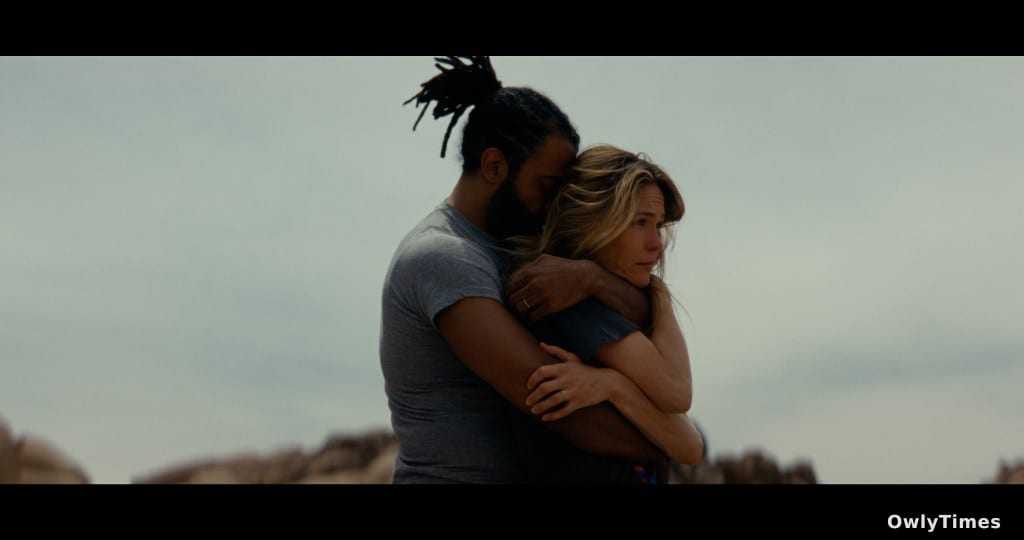

The current deluge of entertainment options isn’t simply about having “more to watch” or “more to do.” It reflects a fundamental shift in how we process narrative, experience art, and even understand our own emotional responses. This week’s offerings, from the high-concept sci-fi of “Project Hail Mary” to the intimate documentary portrait of Marianne Faithfull in “Broken English,” aren’t isolated events; they’re symptoms of a cultural moment demanding both escapism and profound engagement, often simultaneously. The sheer volume, however, obscures a crucial point: not all attention is created equal, and the way these pieces are presented – and consumed – significantly alters their impact.
Beyond the Blockbuster: The Nuance of Cinematic Releases
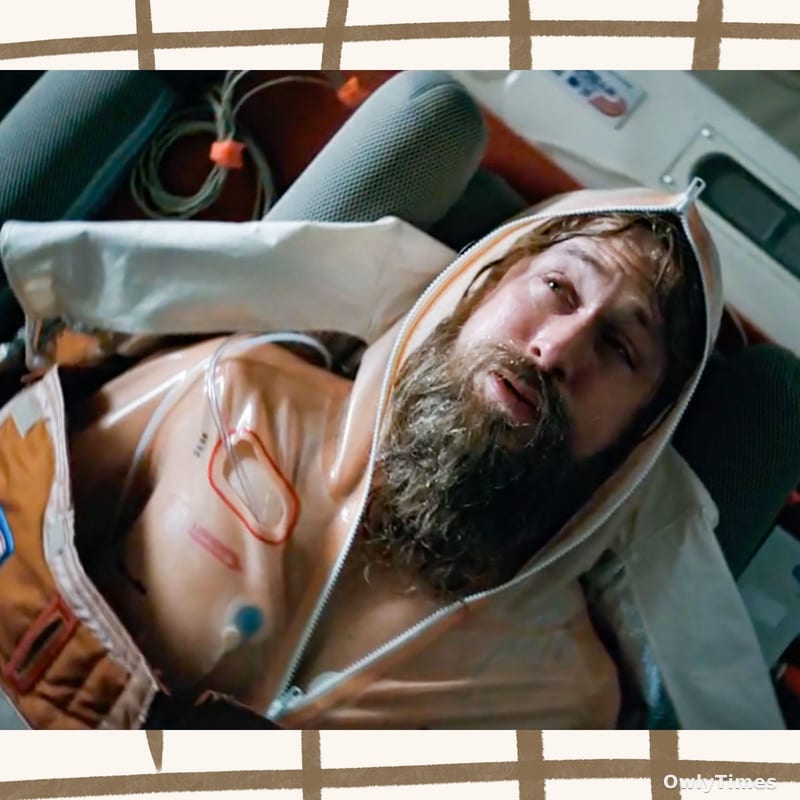
The arrival of Ryan Gosling in “Project Hail Mary” is being framed as a potential repeat of the success Andy Weir achieved with “The Martian.” While Weir’s knack for blending scientific plausibility with compelling storytelling is undeniable, the comparison risks reducing “Hail Mary” to a formula. The film, directed by Phil Lord and Christopher Miller, isn’t simply aiming for another space-based survival story. It’s a caper, a mystery unfolding in the vastness of space, and the emphasis on “comic” elements suggests a different tonal approach than Ridley Scott’s more grounded adaptation of Weir’s previous novel. Initial reactions suggest the film delivers on the humor, but the critical question will be whether it maintains the scientific rigor that initially captivated audiences with “The Martian.” The success isn’t guaranteed; audiences are increasingly discerning, and a simple replication of a previous formula rarely satisfies.
Reporting from The Guardian informs this analysis.
Alongside the blockbuster potential of “Hail Mary,” several other films offer a more contemplative experience. Paolo Sorrentino’s “La Grazia” reunites him with Toni Servillo, promising a nuanced exploration of moral compromise within the Italian presidency. This isn’t a film about grand spectacle, but about the quiet weight of responsibility and the complexities of power. Similarly, Gus Van Sant’s “Dead Man’s Wire,” based on a true story of a hostage situation involving a chilling “dead man’s wire” device, offers a tense psychological thriller, but its power lies in the exploration of desperation and the fragility of human connection, not simply in suspenseful plot twists. Bill Skarsgård stars in the film, and early reviews suggest a performance that prioritizes internal turmoil over sensationalism.
The Expanding Landscape of Live Performance
The gig circuit this month showcases a fascinating tension between established artists and emerging talent. Gunna’s arena tour, following the success of his sixth album “The Last Wun,” exemplifies the current dominance of atmospheric trap in the UK music scene. His fifth Top 10 album demonstrates a consistent ability to connect with audiences, but the move to arenas raises questions about maintaining intimacy and artistic nuance in larger venues. Conversely, the 6 Music festival in Greater Manchester actively champions independent venues and emerging artists like Jacob Alon and Wesley Joseph, alongside established acts like Bloc Party and Courtney Barnett. This deliberate curation highlights a growing desire for authenticity and a rejection of purely commercialized music experiences.
This commitment to diverse musical experiences extends to jazz, with the performance by Dave Holland and Lionel Loueke at Union Chapel. Their album “United” has been lauded for its “global-jazzy lyricism,” demonstrating the continued vitality of improvisational music and the power of cross-cultural collaboration. The choice of Union Chapel, a historically significant venue known for its acoustics, further underscores the importance of the performance space in shaping the musical experience.
Art as Historical Dialogue and Personal Reflection
The art world this spring presents a compelling dialogue between historical masters and contemporary voices. The Frank Bowling exhibition at the Fitzwilliam Museum in Cambridge offers a rare opportunity to engage with the work of a visionary painter whose abstract veils of color evoke both personal and global landscapes. Bowling’s work, often overshadowed by his contemporaries like David Hockney, deserves renewed attention for its ambition and emotional depth. Simultaneously, the Hurvin Anderson exhibition at Tate Britain showcases a contemporary artist who subtly transforms realistic scenes into lyrical poems of color, inviting viewers to look deeper and discover hidden layers of meaning.
The exhibition “Bruegel to Rembrandt” at Compton Verney offers a fascinating historical perspective, tracing the development of drawing techniques from the Renaissance to the Baroque period. By starting with the precise designs of Pieter Bruegel the Elder and moving towards the expressive sketches of Rembrandt, the exhibition reveals the evolution of artistic practice and the enduring power of the drawn line. This historical context is further enriched by the exhibition of Catherine Opie’s photographs at the National Portrait Gallery, which echo the formal grandeur of old masters while simultaneously challenging conventional notions of identity and representation.
Limitations to Consider
It’s crucial to acknowledge the inherent limitations in assessing these cultural offerings based solely on initial reviews and promotional materials. The subjective nature of art and entertainment means that individual experiences will inevitably vary. Furthermore, the rapid pace of cultural production often leads to superficial engagement, with audiences consuming content without fully processing its complexities. The emphasis on “newness” and “hype” can overshadow genuinely innovative and thought-provoking work. The accessibility of streaming services, while democratizing access to content, also contributes to a sense of overwhelm and a decline in focused attention.
The Future of Engagement: Beyond Consumption
Looking ahead, the key question isn’t simply what we consume, but how we engage with it. Will audiences continue to prioritize spectacle and convenience over depth and nuance? Will independent venues and artists be able to thrive in an increasingly competitive landscape? The upcoming launch of HBO content on its own streaming service, alongside existing platforms like Sky, will further fragment the market and potentially exacerbate these challenges. The success of initiatives like the 6 Music festival, which actively support independent venues and emerging artists, will be crucial in shaping the future of live performance. And, perhaps most importantly, we need to cultivate a more critical and discerning approach to cultural consumption, recognizing that true engagement requires time, effort, and a willingness to look beyond the surface. We should watch for how artists respond to the pressures of the streaming era – will they adapt to shorter attention spans, or will they continue to create work that demands sustained engagement? The answer will define the cultural landscape for years to come.