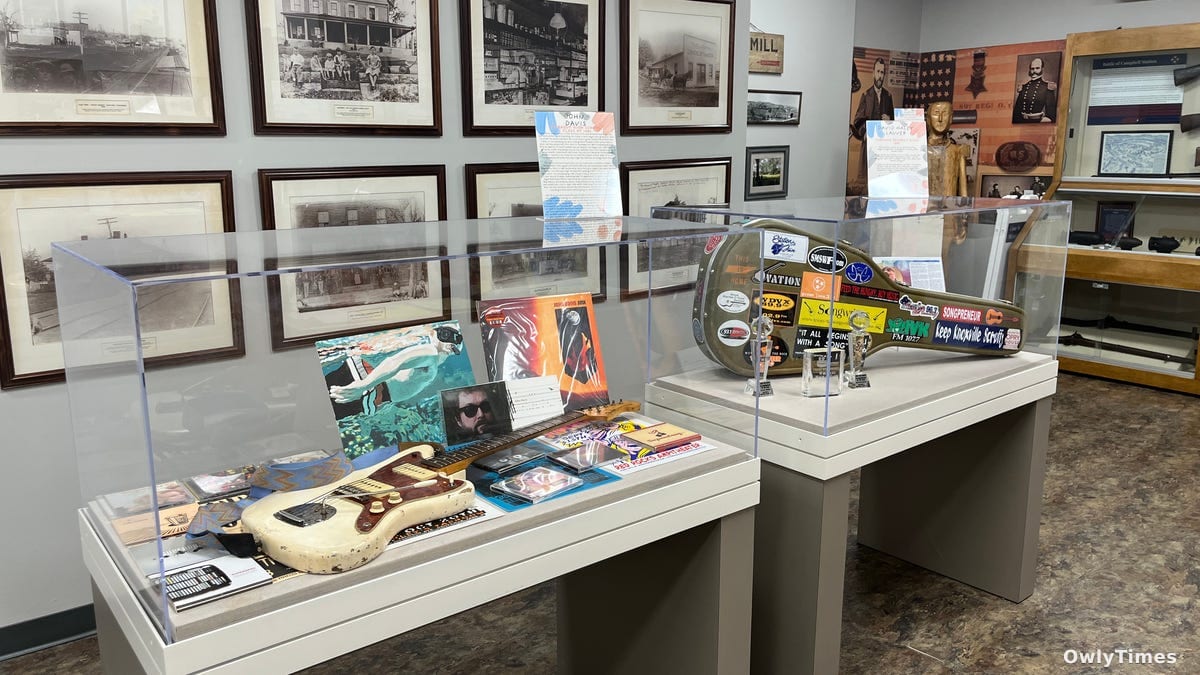

The chipped Formica of the Farragut Town Hall cafeteria feels worlds away from the zombie hordes Linds Edwards battled in “The Walking Dead” or the glittering Capitol of “The Hunger Games.” Yet, this unassuming space – and the museum tucked within – is currently hosting an exhibit, “Farragut Focus: A Creative Community,” that quietly reveals a surprising truth: Farragut, Tennessee isn’t just a suburb of Knoxville, it’s a remarkably fertile breeding ground for creative talent. The exhibit isn’t about future aspirations, though; it’s a homecoming for artists who already made their mark, a recognition that success doesn’t always mean leaving your roots behind. But beyond the local pride, this moment speaks to a larger shift in how we define artistic communities and the unexpected places where they flourish.
From Small Town Stage to Silver Screen
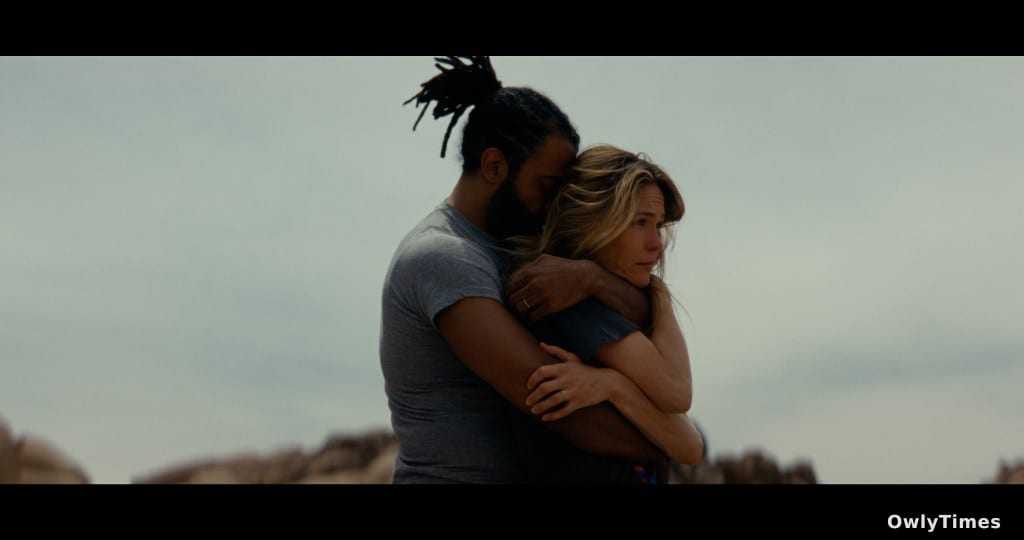
The exhibit features three Farragut High School alumni: Edwards, the actor navigating a career post-blockbuster franchises; Jake Thomas, recognizable to a generation as Lizzie McGuire’s brother Matt, now branching into directing; and John Davis, frontman of the ‘90s rock band Superdrag, currently working on a long-awaited new album. Their stories aren’t tales of overnight fame, but of navigating the complexities of artistic ambition within the framework of a typical suburban upbringing. Edwards’ experience is particularly poignant. Moving to Farragut from Florida as a child, he initially struggled to adjust, but quickly found solace in the beauty of Tennessee and, crucially, in the encouragement of his theater teacher, Lea McMahan. “Without realizing it, she gave me the biggest amount of encouragement I could ever have being 16, 17 years old,” he told Knox News. This isn’t just a heartwarming anecdote; it’s a reminder of the often-unseen impact of local arts education, the teachers who nurture talent before Hollywood ever comes calling. With a new film, “Nightingale,” slated for release in 2026, Edwards’ career continues to evolve, but he clearly remembers the foundation laid in a small Tennessee high school.
Based on the original knoxnews.com report.
The Quiet Resilience of Finding Your Tribe
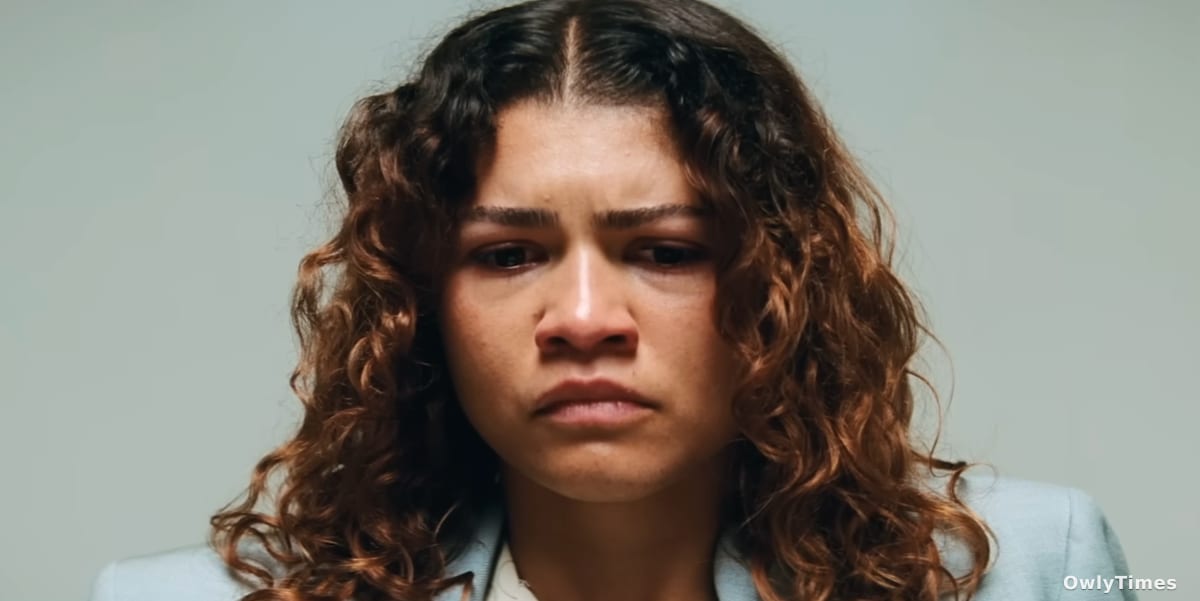
While Edwards found a direct path from theater to film, Jake Thomas’ journey was more nuanced. Already working in Disney productions like “Lizzie McGuire” and “Cory in the House” while attending Farragut High, he initially retreated into himself, a young actor navigating the surreal experience of fame while trying to maintain a semblance of normalcy. “For a while, I kind of just kept to myself and was pretty quiet – and then slowly kind of found my people,” he said. This speaks to a common experience for young performers – the isolation that can accompany early success. Thomas ultimately found connection through the school newspaper, the improv team, and photography classes, the latter potentially sparking his interest in directing. His recent role in the 2025 video game “Mindseye” demonstrates a willingness to explore different creative avenues, a characteristic increasingly common among artists diversifying their portfolios in a rapidly changing entertainment landscape. The industry average for actors finding consistent work is around 20%, making this adaptability crucial.
Beyond the Hit Songs: A Legacy of Local Pride
John Davis’ story offers a different perspective. As the driving force behind Superdrag, a band that achieved significant success in the 1990s with songs like “Sucked Out” (a track that, surprisingly, shares a hometown connection with “The Walking Dead” and a viral meme, “Sing to me, Paulo” – all Farragut-linked cultural touchstones), he represents a different facet of the town’s creative output. Now working on Superdrag’s first album since 2009, Davis’ inclusion in the exhibit feels particularly meaningful. “I was surprised and very stoked that they reached out to me,” he said, adding, “But I’m definitely a proud Admiral all the way.” This isn’t just about nostalgia; it’s about acknowledging the enduring impact of local music scenes and the artists who built them. While streaming services have democratized music distribution, the sense of community fostered by local venues and dedicated fans remains vital.
The Farragut Museum’s exhibit isn’t a grand spectacle, but its quiet celebration of these three artists reveals a powerful truth: creative communities aren’t always born in bustling metropolises. They can thrive in unexpected places, nurtured by supportive teachers, resilient individuals, and a shared sense of local pride. The question now is whether other small towns will recognize and actively cultivate their own hidden artistic reserves, understanding that the next generation of storytellers might already be walking the halls of their local high schools.