
Is a "smart" venue just a tinderbox waiting for a software glitch? We often talk about the digital transformation of nightlife as an upgrade to our social experience, but the real story here isn’t the convenience of modern entertainment venues—it’s the catastrophic failure of basic safety infrastructure when technology takes a backseat to capacity.
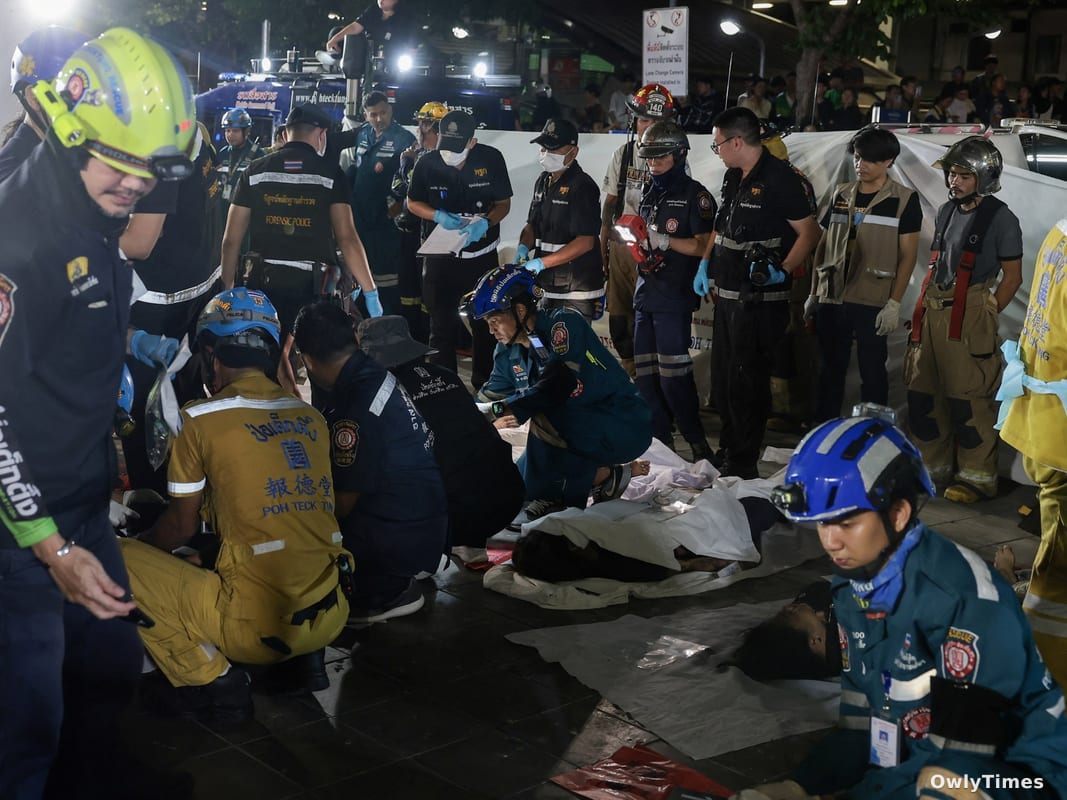
When a massive fire tore through the Na Ladprao pub in northern Bangkok on the night of July 12, 2026, it didn’t just destroy a building; it exposed the deadly disconnect between venue aesthetics and survival. According to Al Jazeera, the blaze claimed 27 lives and left 63 injured. While NPR confirms the death toll at 27, Euronews provides a more granular breakdown, noting that of the 63 hospitalized, 22 remain in critical condition.
The Spark of a Systemic Failure
The tragedy reportedly began with a seemingly minor technical malfunction. Prime Minister Anutin Charnvirakul stated that a performing musician witnessed smoke emanating from a circuit breaker near the stage, followed by a total power loss and a subsequent explosion, as reported by Al Jazeera. This account is echoed by NPR, which highlights the rapid transition from a localized electrical issue to a structural inferno.
For the average user, a circuit breaker is just a boring box of switches in the back of a room. In this context, that box became a single point of failure that bypassed all safety protocols. The speed of the fire was exacerbated by the venue's internal layout; Bangkok Governor Chadchart Sittipunt noted that many victims were found near a fire exit that was potentially blocked, according to Euronews.
Design Over Safety
The venue, known as the Rong Beer Na Lat Phrao, boasted a capacity of over 300 people and four designated fire exits, yet investigators are now pointing to "blind spots" in the floor plan. Euronews reports that Suriyachai Rawiwan, head of Bangkok’s disaster prevention department, described a scene where tables and seating were blocking escape routes. This mirrors a chilling pattern in regional history; NPR reminds us that this is not an isolated incident, citing the 2009 Santika nightclub fire which killed 66 people, and a 2022 fire at the Mountain B nightclub that killed 25.
The reliance on technology—the speakers, the lights, the stage gear—often masks the physical reality of a space. When the power went out, the confusion was immediate. Many victims retreated to the restrooms at the back of the pub, finding no exit, as noted by both Al Jazeera and NPR.
The Regulatory Reckoning
We are moving toward a period of intense scrutiny for Thai nightlife regulations. Prime Minister Anutin confirmed the venue was licensed only as a restaurant, raising questions about how an establishment with a stage and two bars was operating under such a permit. According to Euronews, he has promised that there will be "no leniency" if laws were broken.
The immediate next step is the release of the official investigative report, which will determine if the electrical fault was a result of poor maintenance or systemic negligence in the building’s design. Until that report surfaces, we are left with the grim reality that in a world of high-tech entertainment, the most vital safety feature remains an unlocked, unobstructed door.