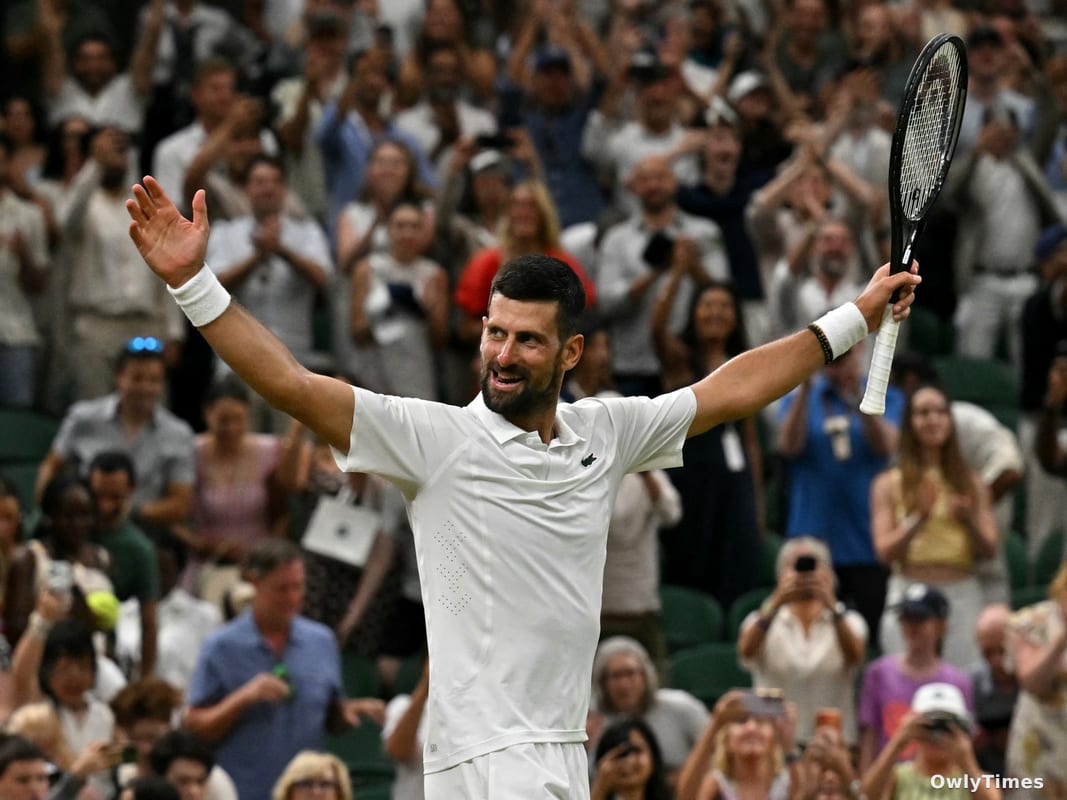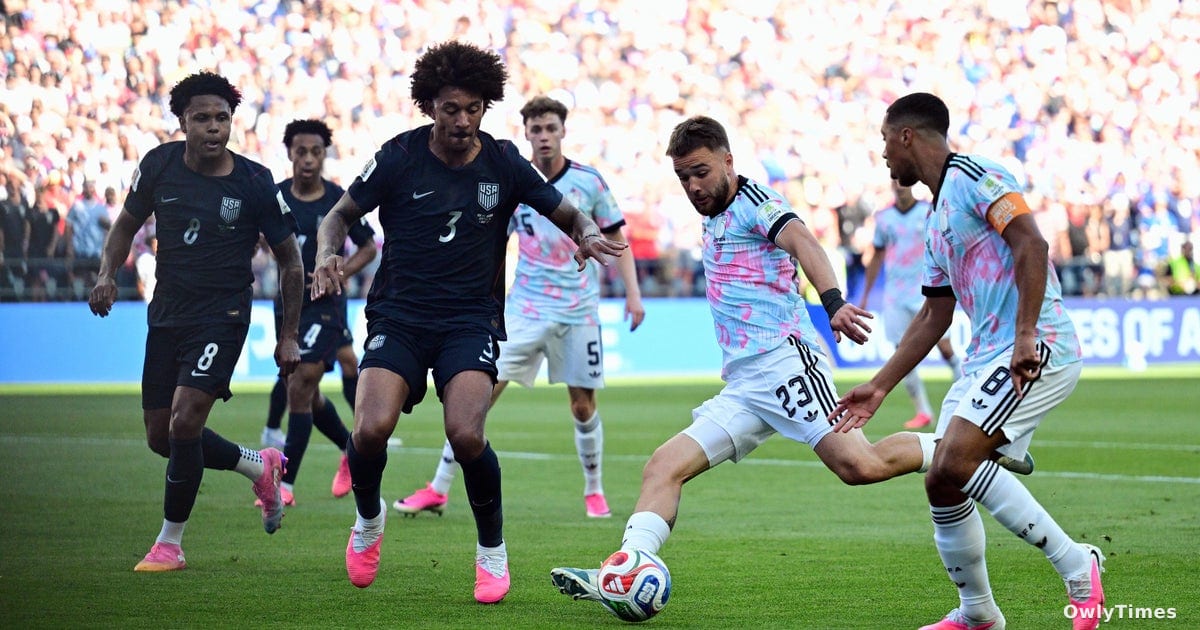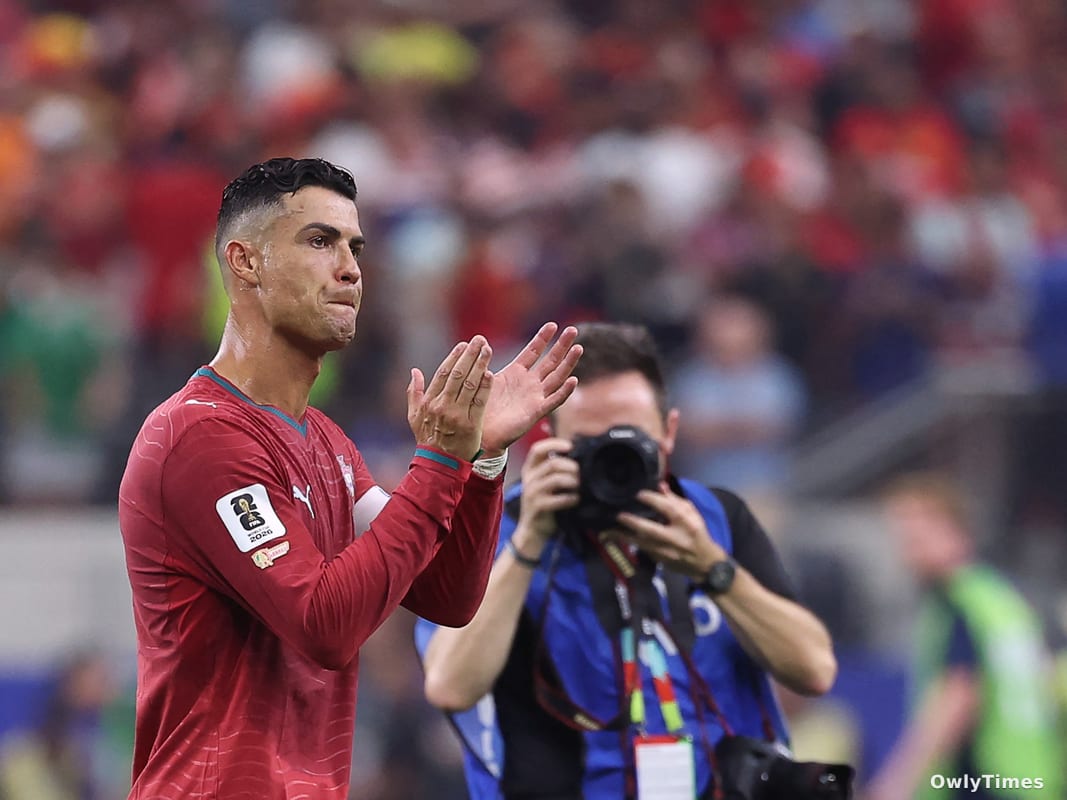

The humid air in Atlanta’s stadium seemed to thicken with the weight of an impending upset as the clock ticked toward the final whistle on Tuesday. Argentina, the reigning World Cup champion and the tournament’s top-ranked titan, looked uncharacteristically fragile, trailing 2-0 against an Egyptian side that had systematically dismantled their rhythm. Yet, as history often demands of the beautiful game, the script was rewritten in a dizzying 13-minute span. By the time the final whistle blew, the 3-2 victory for Argentina had left players in tears and a nation thousands of miles away in a state of mourning, proving once again that the World Cup is less a series of matches and more a crucible for human emotion.
The match began with a surgical precision from Egypt, an underdog that had already made history by reaching the knockout stages for the first time, according to NPR. Yasser Ibrahim drew first blood with a header in the 15th minute, and Mostafa Ziko extended the lead in the 67th minute, silencing those who doubted Egypt’s ability to compete on the world’s biggest stage. Euronews reports that the deficit could have been worse had an earlier goal by Ziko not been disallowed following a VAR review, a moment of reprieve for the Argentines. Adding to the drama, Lionel Messi—facing the possibility of an exit in what could be his final World Cup—saw a first-half penalty saved by Egyptian goalkeeper Mostafa Shobeir. It marked the fourth time in eight attempts that Messi has failed to convert from the spot during the tournament, as noted by Euronews.
The comeback, when it arrived, was swift and brutal. In the 79th minute, Cristian Romero headed in a cross from Messi, igniting a surge of momentum. Four minutes later, Messi himself found the back of the net—his eighth goal of the tournament and a record-extending 21st career World Cup goal, as reported by Euronews. The collapse of the Egyptian defense was completed in stoppage time when Enzo Fernandez secured the winning header. While NPR confirms the final score, the atmosphere in Egypt told a different story; The Independent describes coffee houses across Cairo falling into "dead silence" as the goals erased Egypt's lead.
Beyond the tactical breakdown, the game was draped in political and cultural significance. Egyptian coach Hossam Hassan had utilized his pre-match platform to advocate for the Palestinian people, a stance that resonated deeply within Egypt and among Palestinians in Gaza, The Independent reports. Following the loss, Hassan expressed profound frustration, telling reporters he felt his team had been treated unfairly by the French referee, a sentiment echoed by fans in Cairo who blamed officiating for the result. "We have suffered injustice," Hassan stated, according to both NPR and Euronews.
This moment serves as a stark reminder of the fragile line between national pride and heartbreak in modern sports. For Egypt, the tournament represents a historic benchmark, while for Argentina, it was a terrifying brush with elimination that required every ounce of their veteran composure. As the dust settles, Argentina must pivot quickly; they are scheduled to face Switzerland this Saturday at Arrowhead Stadium in Kansas City, Missouri, with a spot in the semifinals on the line.