
Is the modern battlefield simply a software platform with higher stakes? The real story here isn’t just the shifting front lines of the war in Ukraine—it’s the total integration of commercial AI, long-range drone autonomy, and shadow-fleet logistics into a single, lethal feedback loop. We are watching the weaponization of iterative software development, where the difference between a successful strike and a failed mission is determined by how fast a line of code can be pushed to a drone in the field.
The primary engine of this change is the V-BAT, a reconnaissance drone manufactured by American defense firm Shield AI. According to CBS News, these aircraft are currently serving as the eyes for Ukraine’s navy, utilizing onboard AI software to plot flight paths that actively avoid Russian air defenses like the S-400. The technology is so critical that Ukrainian operators are essentially functioning as beta testers; when Russian electronic warfare shifts frequencies, operators report the data back to Shield AI to push software updates that keep the drones operational. This is "agile development" at its most brutal. As one operator with the call sign "Negative" told CBS News, the wartime environment is the only place where these necessary changes can be made, creating a symbiotic relationship between front-line soldiers and silicon-valley engineers.
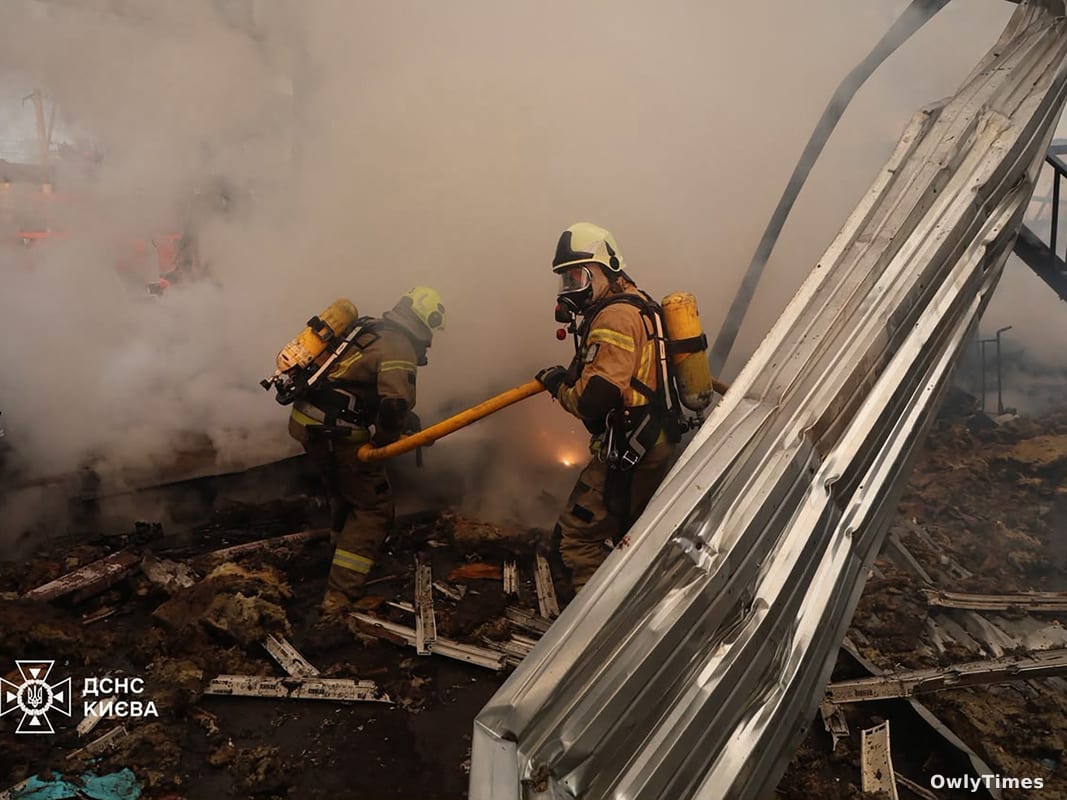
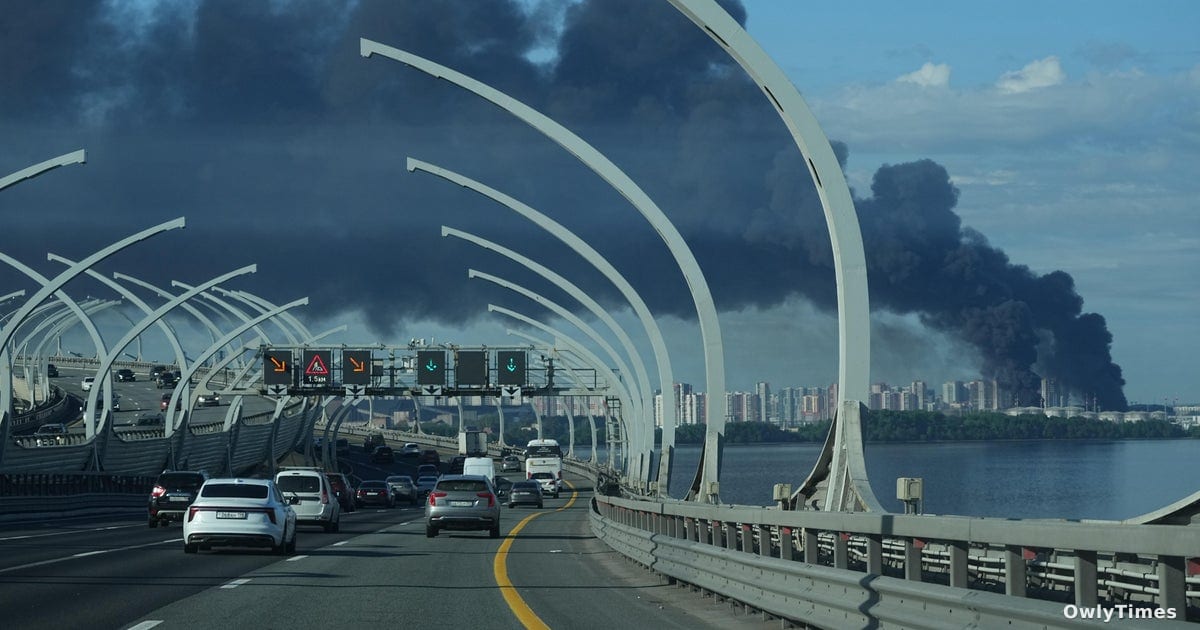
This tech-driven strategy is currently focused on a massive campaign to disrupt Russia’s energy sector, a move that is creating tangible economic friction. Euronews reports that Ukraine has targeted 697 facilities inside Russia over the last six months, including refineries and terminals, triggering a genuine fuel crisis that has forced Moscow to ban diesel exports. The scale of this campaign is staggering, though reports on the intensity vary. While The Independent notes that Ukraine’s military claimed to have hit 36 ships in the first four days of the week, Russian officials offered a drastically different account, insisting that only four ships were targeted in those same strikes.
For the average citizen in Russia, this isn't abstract military strategy; it’s a tangible inconvenience. The Independent reports that fuel shortages have become so severe that drivers are rushing to convert vehicles to run on liquefied petroleum gas (LPG) just to keep their cars moving. Meanwhile, the human toll remains staggering. Euronews cites data from the Center for Strategic and International Studies placing Ukrainian casualties between 525,000 and 625,000, while Russian casualties are estimated at 1.4 million.
The political theater surrounding this tech race is equally intense. U.S. President Donald Trump recently announced that the United States would grant Kyiv a license to produce its own Patriot air defense missiles, as reported by Euronews. It is a significant shift, though the logistics of manufacturing such complex hardware remain an open question. Meanwhile, Ukraine’s commander-in-chief, Oleksandr Syrskyi, cautioned via Telegram that a turning point in the conflict remains "a long way off," despite the success of the drone campaign.
The next phase of this war will be decided by the expiration of a 40-day "influence operation" declared by President Volodymyr Zelenskyy, which is set to conclude in early August. Whether this campaign succeeds in isolating Crimea or merely accelerates the cycle of retaliatory strikes remains to be seen, but one thing is clear: the battlefield is no longer just about who has more bullets, but who can update their software the fastest.