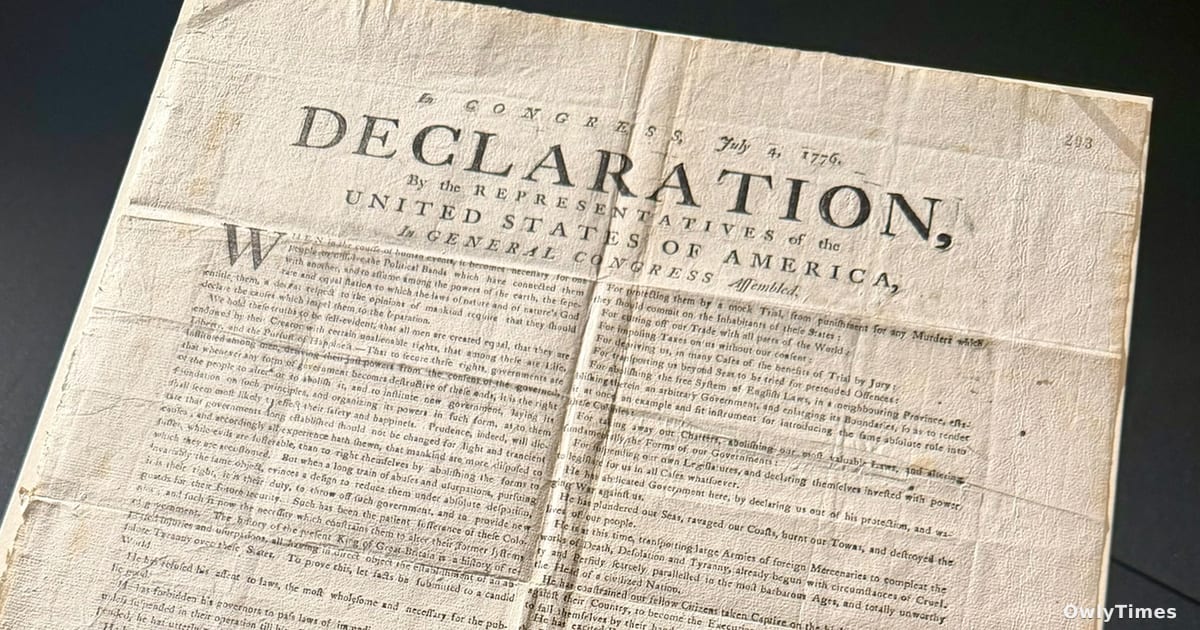

If we think of the modern American infrastructure as a legacy operating system, this Fourth of July is the moment the hardware finally hits a critical thermal throttle. While headlines obsess over the political pageantry of the nation’s 250th anniversary, the real story here isn’t just the partisan optics—it’s the collision of supply chain fragility, extreme climate shifts, and the simple reality that our public systems are struggling to run "heavy" applications under load.
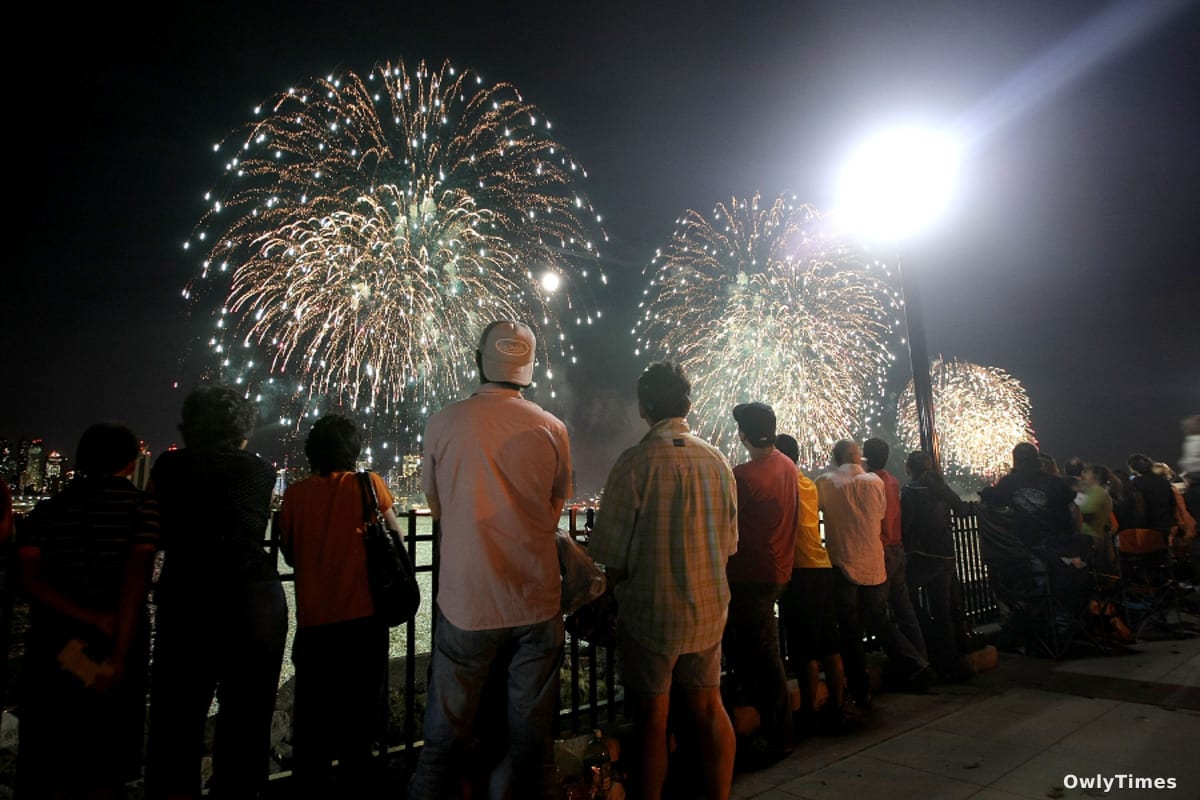
Across the country, the cost of celebration is being recalculated in real-time. According to The Independent, municipal fireworks displays are facing a double-digit price surge driven by a combination of high tariffs on Chinese imports and an unprecedented surge in demand for the 250th anniversary. The friction is palpable: while some towns are absorbing the costs, others are opting out entirely. In Hinesberg, Vermont, the town canceled its show after vendors set a $20,000 minimum price tag, while St. Louis County, Missouri, scrapped its "JB Blast" event due to a combination of budget shortfalls and the difficulty of securing private sponsorships, as noted by the Independent.
For the average citizen, this isn't just about missing a show; it’s a symptom of a supply chain that has become increasingly brittle. Industry insiders cited by the Independent report price hikes reaching 40 percent. Even when communities have the capital, logistics are failing. Vendors like Texas-based Illumination Fireworks are actively turning away smaller customers to prioritize larger, more profitable contracts, creating a "winner-take-all" landscape for public entertainment.
While local governments scramble to balance their ledgers, the environment is forcing a more dangerous adjustment. As WIRED reports, major metropolitan areas like New York City and Philadelphia are bracing for extreme heat, with temperatures expected to flirt with 100 degrees Fahrenheit. The danger here is systemic: our bodies, much like overheated servers, reach a point where they can no longer regulate their internal temperature. With New York City activating its heat emergency plan—including the use of LinkNYC kiosks to guide citizens to cooling centers—the holiday has transitioned from a festive event into a public health containment operation.
The strain is equally visible in the sporting world, where the logistics of international competition are clashing with the realities of a warming planet. The Guardian reports that Philadelphia has been forced to shift its FIFA Fan Festival hours to the evening to avoid the worst of the heat, even as a match between Paraguay and France is scheduled for a 5 p.m. kickoff. For the US men’s rugby team, the challenge is different; they are preparing to play in the Denver mountain air, a setting that coach Scott Lawrence noted is far preferable to the "swampy" and lightning-delayed conditions the team endured in Washington last year.
The data suggests this isn't a one-off anomaly. According to WIRED, citing a study from Yale University, temperature-associated deaths in the US nearly doubled between the 2000-2009 period and the 2010-2020 decade. We are moving toward a future where "public gatherings" require the same level of emergency mitigation as a data center cooling protocol.
The next measurable trigger will be the post-holiday reporting from emergency departments across the Northeast. As physicians like Erik Blutinger of Mount Sinai Queens prepare for an influx of heat-related illness, the data collected over this weekend will likely dictate how cities rewrite their heat emergency protocols for the remainder of the summer. We are learning the hard way that when the environment changes, the user experience of a national holiday must change with it.