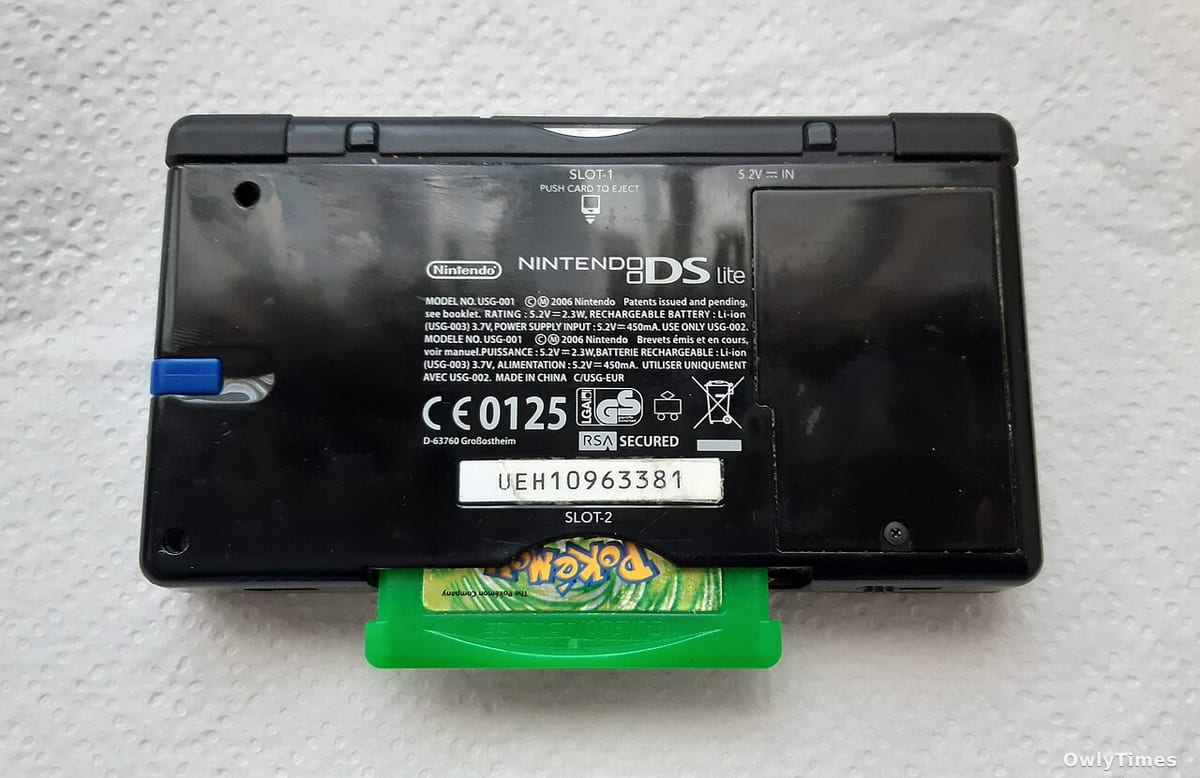

Is Nintendo quietly admitting its Switch Online service isn’t enough? The early leak – and subsequent official confirmation – of Pokémon FireRed and LeafGreen coming to the Switch isn’t just a nostalgia play; it’s a significant departure from Nintendo’s established strategy for classic game access. For years, the company has funneled retro titles exclusively through its subscription service, forcing players to pay a recurring fee for access to a limited library. Now, they’re selling individual Game Boy Advance titles, priced at $19.99 each, à la carte. The real story here isn't the return of Kanto – it's Nintendo testing the waters for a future where owning classic games outright, rather than renting them via subscription, is the norm.
A 30th Anniversary That Feels Different
The timing is, predictably, tied to Pokémon’s 30th anniversary. Nintendo previously marked the 20th anniversary a decade ago with classic releases on the 3DS, but this feels…different. The 3DS releases were bundled within the existing hardware ecosystem. This is a direct-to-digital storefront play, bypassing the Switch Online gatekeeper. While a “Pokémon Presents” showcase is scheduled for February 27th – Pokémon Day, naturally – the eShop listings went live before the official announcement, suggesting a less-than-tightly controlled reveal. This isn’t the carefully orchestrated marketing campaign Nintendo usually favors.
The Japan Exception and the American Lockout
The decision to offer a physical edition in Japan, albeit a code-in-box, further complicates the narrative. Why a physical component at all, even a limited one? It speaks to the enduring preference for physical media in the Japanese market, a nuance often overlooked by Western audiences. More telling is Nintendo of America’s blunt FAQ statement: “These games will not receive physical releases.” This isn’t a matter of logistical difficulty; it’s a deliberate market segmentation. American consumers are being explicitly told they can only rent these classics, even if they want to own them. This reinforces the idea that Nintendo is gauging consumer appetite for individual purchases, and is willing to limit that option in key markets.
This article draws on reporting from nintendolife.com.
Beyond Nostalgia: The Price of Ownership
The $19.99 price point is also worth scrutinizing. It’s significantly higher than the cost of a single game through Switch Online’s Expansion Pack, which currently runs $49.99 annually for access to a rotating library including Nintendo 64 and Game Boy Advance titles. To access FireRed and LeafGreen through Switch Online, you’re essentially paying around $8.33 per game if you subscribe for a year and play both. Paying nearly $20 upfront is a clear premium. But that premium buys you permanent ownership, a freedom the subscription model denies. Nintendo is betting that enough players will value that ownership to justify the higher price. The fact that each language version is sold separately – a detail noted by Nintendo Life – also suggests they’re maximizing revenue potential, even at the expense of user convenience.
What Comes After Kanto?
This isn’t just about Pokémon. This is about Nintendo quietly recalibrating its relationship with its back catalog. The success – or failure – of FireRed and LeafGreen on the Switch will dictate the future of classic Nintendo games. If these titles sell well, expect to see more individual releases, potentially even for NES and SNES classics currently locked behind the Switch Online paywall. If sales are lukewarm, Nintendo will likely double down on the subscription model. But the door has been opened. The question isn’t if Nintendo will eventually offer more classic games for individual purchase, but when – and how aggressively they’ll price them. Watch closely for announcements regarding Pokémon Gold and Silver in the coming months. If those titles also bypass Switch Online, consider your virtual game shelf officially disrupted.