
The Shifting Landscape of Drug Access: Florida’s SB 1760 and the Biosimilar Debate
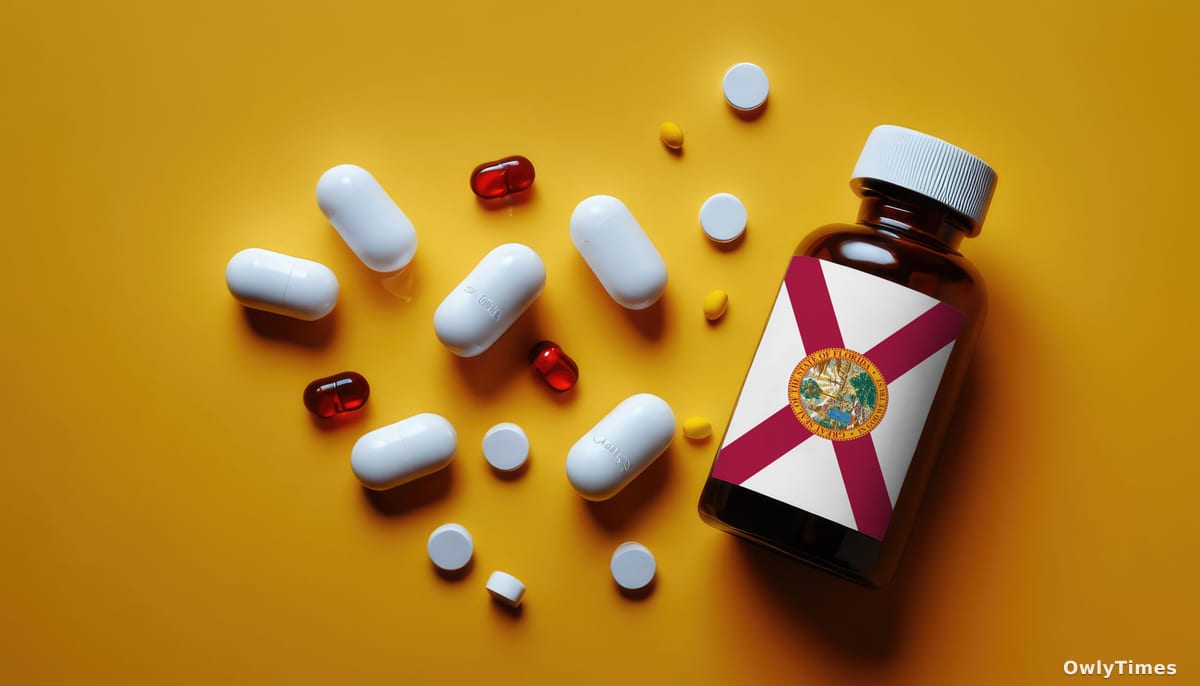
The story of Florida’s Senate Bill 1760 isn’t about a single piece of legislation, but a revealing tension at the heart of American healthcare: balancing innovation with affordability. While headlines proclaimed a victory for patient access, the initial drafts of the bill threatened to significantly curtail the availability of biosimilar drugs – a relatively new class of medications poised to dramatically lower healthcare costs. Understanding why this shift occurred, and what it reveals about the forces shaping drug pricing, is crucial for Floridians and beyond. The final amended version, championed by lawmakers and business groups, ultimately preserves access, but the near-miss highlights a vulnerability in the system.
Drawn from Florida Politics.
At issue are biologic drugs, often used to treat complex conditions like rheumatoid arthritis, cancer, and Crohn’s disease. These drugs are manufactured from living organisms, making them incredibly expensive to develop – and, consequently, to purchase. The arrival of biosimilars, essentially generic versions of biologics, promised to introduce competition and drive down prices. In 2024 alone, biosimilar drugs saved the American healthcare system an estimated $20.2 billion, a figure that underscores their potential impact. Early iterations of SB 1760, however, contained provisions that would have made it more difficult for biosimilars to enter the Florida market, potentially stifling this cost-saving competition.
The concern stemmed from regulations surrounding the substitution of biosimilars for brand-name biologics. Some proposed rules would have required extensive physician involvement and patient notification, creating administrative hurdles that could discourage the use of the cheaper alternatives. Julio Fuentes, president and CEO of the Florida State Hispanic Chamber of Commerce (FSHCC), representing over 604,000 Hispanic-owned businesses, voiced strong opposition to these provisions. Fuentes stated, “On behalf of more than 600,000 Hispanic-owned businesses and their employees, I thank the bill’s sponsor and the Legislature for standing with patients and protecting access to these important drugs.” His organization’s advocacy, alongside patient groups, ultimately pushed legislators to amend the bill, ensuring that biosimilar substitution could continue with a more streamlined process.
This outcome also aligns with a broader, bipartisan push at the federal level to lower prescription drug costs. President Trump’s administration consistently advocated for increased competition in the pharmaceutical market, specifically promoting the use of generics and biosimilars to reduce expenses for both patients and government programs. The amended SB 1760, proponents argue, reflects this commitment. However, it’s important to note that the initial threat to biosimilar access wasn’t a legislative accident. It reflects lobbying efforts from pharmaceutical companies invested in maintaining the high prices of their brand-name biologics – a dynamic that continues to shape healthcare policy. The fact that the bill needed amendment at all demonstrates the ongoing pressure to prioritize profit over patient affordability.
What the Amendments Actually Change – and Don’t Change
The revised SB 1760 primarily clarifies the rules surrounding biosimilar substitution. Pharmacists in Florida can now continue to substitute a biosimilar for a brand-name biologic, with physician approval, without facing undue restrictions. This maintains the status quo, preventing a potential disruption to the growing biosimilar market. What the bill doesn’t address, however, is the underlying complexity of the healthcare system and the numerous other factors contributing to high drug prices. SB 1760 tackles one specific point of access, but doesn’t address issues like patent evergreening, direct-to-consumer advertising, or the lack of transparency in pharmaceutical pricing.
Limitations to Consider: A Market Still in Development
While the amended SB 1760 is a positive step, it’s crucial to acknowledge the limitations of relying solely on biosimilar competition to solve the prescription drug affordability crisis. The biosimilar market is still relatively young, and uptake has been slower than initially anticipated. Several factors contribute to this, including physician hesitancy, patient concerns about switching medications, and ongoing legal challenges from brand-name manufacturers. Furthermore, the savings generated by biosimilars don’t always translate directly to lower out-of-pocket costs for patients, depending on insurance coverage and pharmacy benefit manager practices. The $20.2 billion in savings represents a system-wide impact, not necessarily a dollar-for-dollar reduction in individual patient bills.
Looking ahead, further research is needed to understand the barriers to biosimilar adoption and to develop strategies to overcome them. Specifically, studies should focus on physician education, patient communication, and the role of pharmacy benefit managers in determining drug access and pricing. It will also be important to monitor the impact of SB 1760 on the Florida market, tracking biosimilar utilization rates and assessing whether the amended legislation truly leads to lower costs for patients and employers. The question now isn’t simply whether biosimilars can save money, but whether the regulatory environment will allow them to reach their full potential – and whether those savings will be equitably distributed.