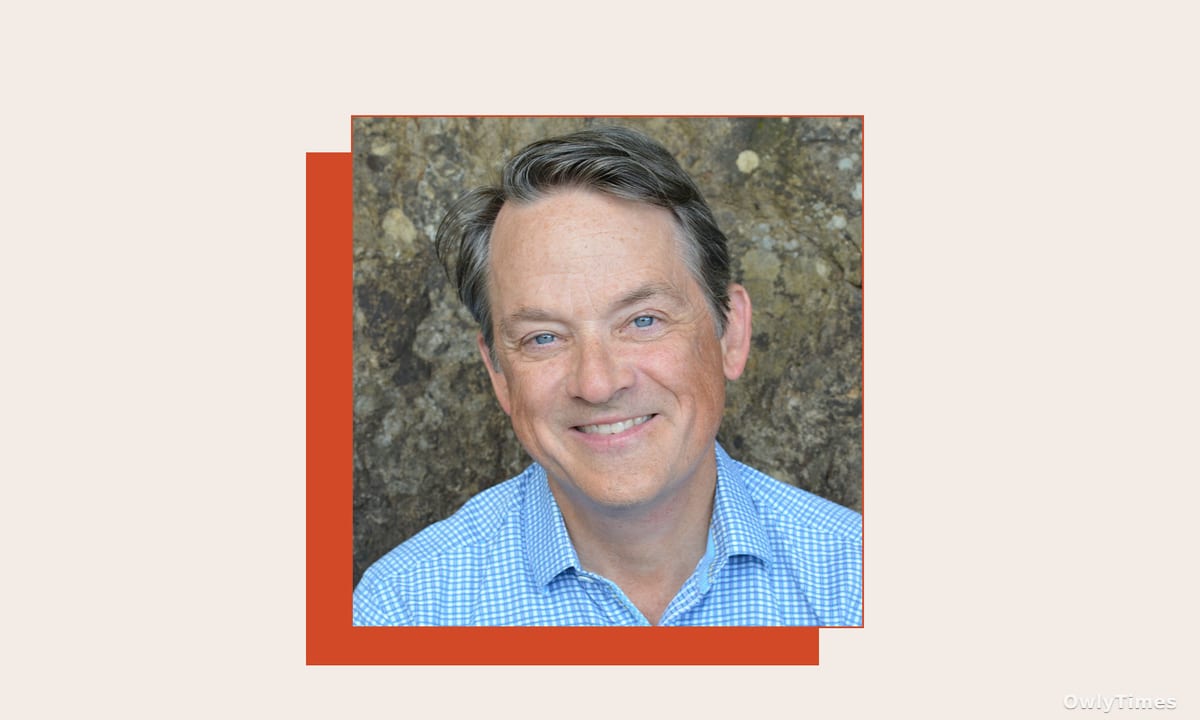

The persistent pursuit of a “good life” often fixates on individual achievement, a narrative reinforced by self-help industries and cultural messaging. But what if the key to sustained well-being isn’t within us, but rather in the quality of our connections – and specifically, in actively building those connections? This isn’t simply a feel-good proposition; emerging research, as detailed in Daniel Coyle’s new book Flourish, suggests that human flourishing is fundamentally a collective endeavor, a shared project of “joyful, meaningful growth.” This challenges the dominant focus on self-optimization and raises a crucial question: are we misdirecting our efforts by prioritizing individual striving over communal engagement?
Coyle, known for his previous work on talent and culture – The Talent Code and The Culture Code – began this five-year investigation following the loss of his parents. He initially sought to understand how exceptional individuals achieve fulfillment, but his research took an unexpected turn. “I went in thinking I’d find individuals who’d figured it out,” he recently shared with mindbodygreen founder, Jason Wachob, “What I found instead were people deeply rooted in meaning, doing messy, aspirational projects together.” This wasn’t a discovery of isolated success stories, but a pattern of individuals thriving because of their involvement in shared, often imperfect, pursuits. The data suggests that our brains are wired for connection, and that sustained well-being requires consistent engagement with others.
This article draws on reporting from mindbodygreen.com.
This finding aligns with neurological understanding of our attention systems. We operate with two distinct modes: a narrow, task-focused attention and a broader, relational one. Modern life, saturated with digital distractions, overwhelmingly favors the former, keeping us locked in a cycle of individual task completion. Coyle argues that flourishing necessitates a conscious effort to “flip the switch,” to intentionally cultivate that broader, relational attention. He contrasts the effectiveness of habits – which automate behavior – with rituals, which he defines as “awakening cues” that prompt us to recognize a deeper meaning beyond immediate goals. His personal practice, the “daily rando” – a spontaneous, agenda-free connection with someone from his past – exemplifies this principle. While seemingly unproductive, these small gestures yield a surprisingly significant positive impact.
The power of shared experience extends beyond individual interactions, as demonstrated by the remarkable story of the 33 Chilean miners trapped underground for 69 days in 2010. Initial chaos gave way to a powerful collective response when their boss, in a pivotal moment, relinquished authority, declaring “There are no bosses and no employees anymore.” The miners then organically developed rituals – shared meals, a “guardian angel” system for mutual support, and even improvised games – that fostered resilience and ultimately aided their survival. This wasn’t a case of leadership imposing order, but of a group creating order through shared practices and mutual support. The key takeaway isn’t simply the importance of teamwork, but the power of collectively constructed meaning in the face of adversity.
However, it’s crucial to avoid oversimplification. Coyle’s work doesn’t dismiss the value of individual goals, but reframes their purpose. The problem isn’t ambition itself, but “the goal for the goal’s sake”—the belief that achieving a specific outcome will automatically unlock happiness. This fear-based drive, while potentially effective in the short term, is ultimately unsustainable. Joy, conversely, is a “renewable resource,” constantly available through connection and engagement. The most effective goal-setting, therefore, aligns narrow ambition with a broader, more meaningful purpose, where the connection to something larger than oneself is the true reward.
Limitations to consider include the inherent challenges of studying subjective experiences like flourishing. While Coyle’s research draws on diverse examples, from the Chilean miners to individual anecdotes, establishing definitive causal links between communal engagement and well-being requires further rigorous investigation. The study relies heavily on qualitative data and observational analysis, which, while rich in insight, may be susceptible to researcher bias. Furthermore, the cultural context of these findings – largely drawn from Western societies – may not be universally applicable.
The next crucial step in this research is to explore the specific mechanisms through which shared rituals and communal engagement impact neurological and physiological markers of well-being. Can we identify quantifiable changes in brain activity, hormone levels, or immune function associated with these practices? And importantly, how can we translate these findings into practical interventions that promote flourishing in diverse populations and settings? As we navigate an increasingly fragmented and individualistic world, understanding the fundamental human need for connection may be the most vital pursuit of all. Will we prioritize building shared meaning, or continue to chase individual success in isolation? The answer may well determine not only our personal well-being, but the resilience of our communities.