
Beyond Prestige: What the Fox Chase Directorship Signals About the Future of Cancer Research
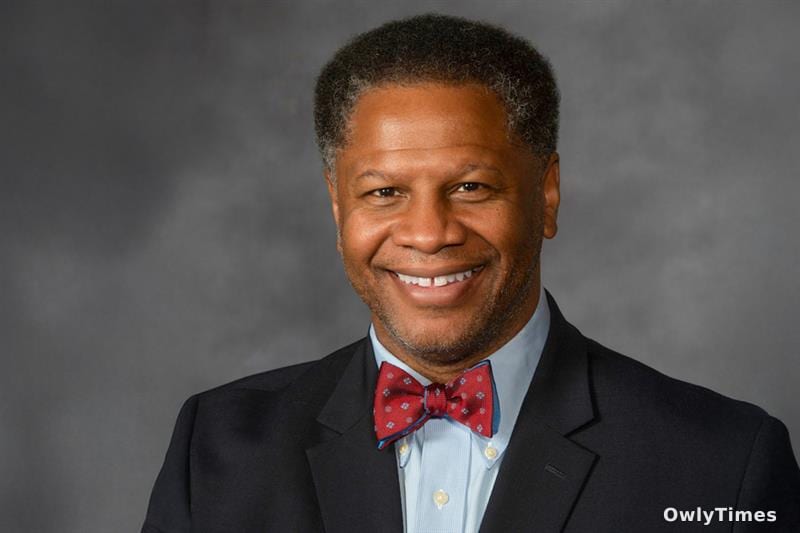
The appointment of Robert A. Winn, MD, as the next Cancer Center Director for Fox Chase Cancer Center isn’t simply a personnel change at a prestigious institution; it’s a deliberate shift in strategy reflecting a growing recognition that scientific advancement alone isn’t enough to meaningfully impact cancer rates. While headlines focus on Dr. Winn’s track record of securing National Cancer Institute (NCI) Comprehensive Cancer Center designation – first at Virginia Commonwealth University Massey Cancer Center in 2023, and now poised to further elevate Fox Chase – the more significant story lies in how he achieved that designation and what that approach suggests about the future of oncology. The NCI designation itself is a rigorous process, requiring demonstrated excellence in research, clinical care, and community outreach, but the emphasis on “how” is crucial.
Dr. Winn’s leadership at VCU Massey wasn’t defined by simply increasing research dollars – though funding did grow significantly under his tenure. Instead, his success stemmed from fostering “team science,” expanding clinical trial participation, and, critically, integrating discovery with community impact. This last element is where the appointment at Fox Chase, now under the Temple Health umbrella, becomes particularly noteworthy. For decades, cancer research has operated largely on a “bench-to-bedside” model: discoveries made in the lab are translated into clinical treatments. Dr. Winn champions a “community-to-bench” approach, meaning research questions originate from, and are informed by, the needs and experiences of the communities most affected by cancer. This isn’t merely a matter of ethical responsibility; it’s a matter of scientific efficacy. Cancer isn’t a monolithic disease, and its prevalence and presentation vary dramatically across different populations. Ignoring those disparities means research risks missing crucial insights.
Based on the original foxchase.org report.
The emphasis on community impact is echoed by Amy J. Goldberg, MD, FACS, The Marjorie Joy Katz Dean, Lewis Katz School of Medicine, who highlighted Dr. Winn’s career translating discovery into care while focusing on cancer disparities. This focus isn’t new to Fox Chase, but Dr. Winn’s appointment signals a commitment to making it central to the institution’s identity. Temple President John Fry explicitly stated that Fox Chase and Temple are “positioned to lead in the next era of cancer innovation and to deliver meaningful progress for the patients and communities we serve,” a statement that goes beyond the typical institutional boilerplate. The synergy between Temple’s broader healthcare network and Fox Chase’s specialized oncology expertise creates a unique opportunity to address cancer not just as a biological problem, but as a social and economic one.
However, it’s important to acknowledge the limitations to consider. While Dr. Winn’s track record is impressive, replicating success from one institution to another is never guaranteed. VCU Massey operates within a different political and economic landscape than Fox Chase and Temple. Furthermore, translating community needs into actionable research requires significant investment in infrastructure and trust-building – a process that can be slow and resource-intensive. The NCI designation, while a marker of excellence, doesn’t automatically solve issues of funding inequities or systemic barriers to healthcare access. The promise of expanded clinical trial participation, for example, will only be realized if those trials are accessible and culturally sensitive to the communities they aim to serve.
Looking ahead, the next crucial step will be observing how Dr. Winn translates his vision into concrete programs and initiatives at Fox Chase. Specifically, will we see a demonstrable increase in research funding directed towards projects addressing cancer disparities in the Philadelphia region? Will the institution prioritize partnerships with community organizations and patient advocacy groups? And perhaps most importantly, will the “community-to-bench” model lead to the development of novel prevention strategies and treatments tailored to the specific needs of underserved populations? The success of this appointment won’t be measured solely by publications and grant awards, but by tangible improvements in cancer outcomes for all. The question isn’t simply whether Fox Chase can maintain its status as a leading cancer center, but whether it can redefine what it means to be a leading cancer center in the 21st century.





