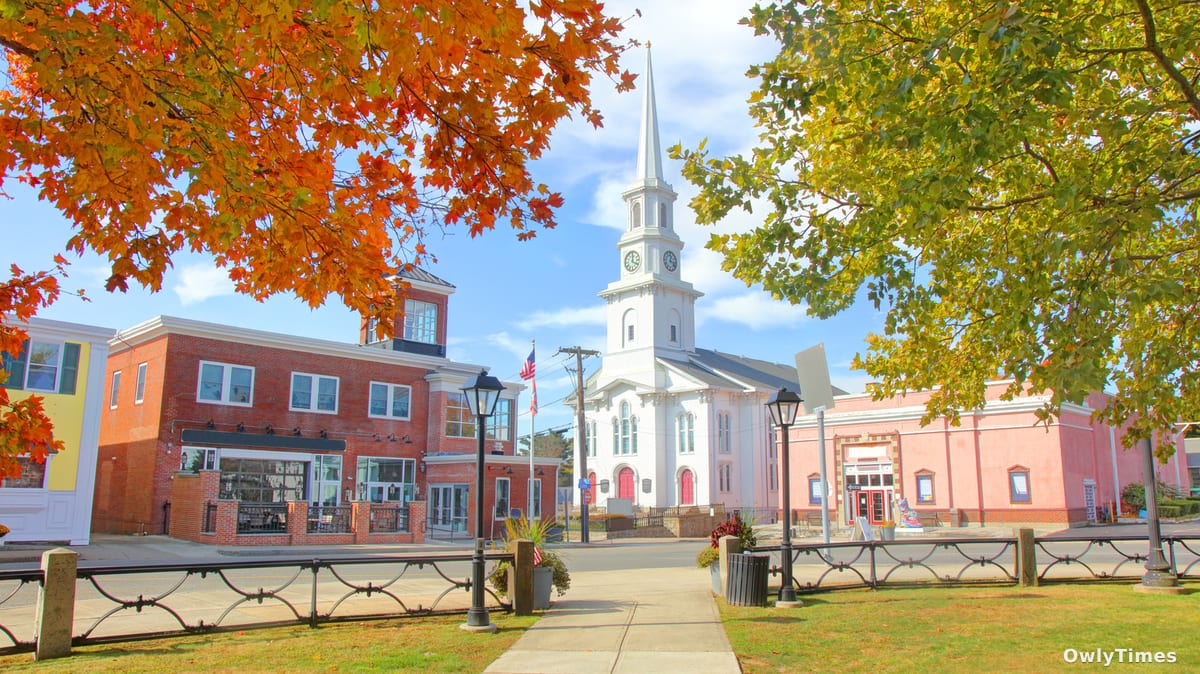

The roar of 65,000 fans echoing through a crisp autumn afternoon is a sound most associated with the sprawling metropolises of the NFL. Yet, tucked away in the quiet woods of Massachusetts, the town of Foxborough defies the traditional narrative of the sleepy New England suburb. While visitors often fixate on the historic charm of Boston or the coastal allure of Providence, this "Gem of Norfolk County" has quietly engineered a transformation, turning a town of just 6,500 year-round residents into an international destination for sports and music tourism.
The Stadium Economy and the Patriot Effect
The gravitational pull of Gillette Stadium is the engine behind this shift. Completed in 2002 but serving as the Patriots' home base since the 1970s, the facility has successfully bridged the gap between professional sports and localized entertainment. It is a logistical marvel; situated less than 4 miles from the heart of downtown, the stadium does not just host games—it anchors an entire ecosystem. When you consider that the venue has played host to global icons like Taylor Swift, Bruce Springsteen, and The Rolling Stones, it becomes clear that Foxborough functions less like a bedroom community and more like a high-traffic urban hub. The ability of such a small municipality to manage the influx of tens of thousands of visitors on event days speaks to a unique, highly specialized infrastructure that few other towns of this size possess.
Beyond the Gridiron: A Cultural Pivot
The true intrigue of Foxborough lies in its refusal to be defined solely by the football team. The town has successfully curated a secondary cultural layer that keeps the area active even when the stadium is quiet. The Marilyn Rodman Performing Arts Center, housed in a restored 1920s-era silent movie theater, offers a stark, sophisticated contrast to the high-decibel energy of the nearby stadium. Similarly, the Patriots Hall in Patriot Place Mall serves as a bridge between the town’s athletic identity and the tourist experience, offering a $10 entry point for fans to engage with the team's history. This integration of history and commerce is further underscored by the Ocean Spray Cranberry Bogs, which have been planted since the 1920s and continue to serve as a scenic, natural attraction. The annual Harvest Festival, featuring an inflatable corn maze and beer garden, highlights a conscious effort to leverage the land’s heritage to maintain year-round appeal.
Navigating the Logistical Friction
For the casual traveler, the transition from the I-95 corridor into the heart of Foxborough reveals the inherent tension of a town built for peak-capacity events. Located roughly 30 miles from Boston and just over 20 miles from Providence, the town faces the constant pressure of transit. The implementation of an "Event Train" running between Patriot Place and Boston’s South Station is a critical, albeit limited, solution to the region's notorious traffic issues. For those choosing to stay at local establishments like the Rally Point Inn & Pub, the rhythm of the town is dictated entirely by the event calendar. The fact that lodging must be booked well in advance of major events indicates that the demand for this "pit-stop" often outstrips the town's small-scale hospitality capacity.
The sustainability of this model—where a tiny municipality functions as a global event center—will be measured by the continued success of these diverse, non-football offerings. Whether the town can maintain its "Gem of Norfolk County" character while managing the massive, recurring spikes in population remains the central question for its future growth. The next reading of local occupancy rates during non-game days will indicate whether Foxborough’s push toward year-round tourism is truly taking hold.