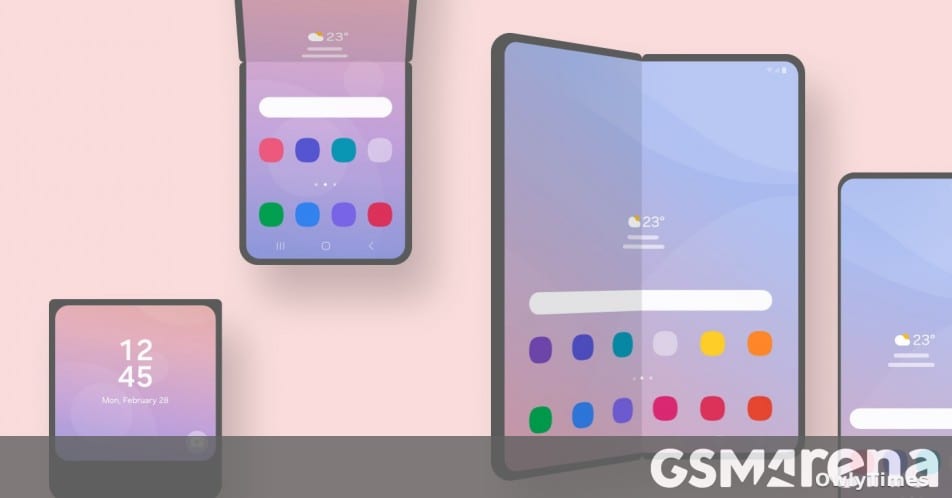

Is anyone actually excited about another phone update? Because let’s be honest, the endless cycle of incremental software “improvements” feels less like innovation and more like digital whack-a-mole. Samsung just dropped the fifth beta of One UI 8.5 for its Galaxy S25 family, and while tech blogs are dutifully reporting the firmware version (ZZAN, for the curious) and the 546-553MB download size, the real story here isn't the beta itself – it’s the increasingly frantic pace at which Samsung is trying to convince us its software is keeping pace with the competition, and the implications of that for your wallet.
The Beta Treadmill and the Illusion of Progress
The rollout, currently hitting users in the US, UK, India, Germany, and Korea, includes the February 5, 2026 security patch – a good thing, of course. But let’s unpack that date. We’re already well into March 2026, and Samsung is still beta testing a software update slated to launch with the next generation of phones, the S26, on February 25th. That’s a remarkably compressed timeline, suggesting a scramble to deliver features that either didn’t make the initial cut or are being rushed to market to counter announcements from rivals like Google and Apple. This isn’t about perfecting the user experience; it’s about feature parity, and the perception of staying ahead. The fact that they’re even updating Bixby – a virtual assistant most users have long abandoned – speaks volumes about this desperation to show something new.
Beyond the S26: The Ripple Effect of Forced Upgrades
Samsung plans to push One UI 8.5 to older devices after the S26 launch. This sounds generous, but it’s a carefully calculated move. Each major UI update is, effectively, a gentle nudge – or sometimes a forceful shove – towards upgrading your hardware. Older phones struggle to run the latest software smoothly, leading to performance issues and battery drain. It’s a classic planned obsolescence tactic, masked as a “free update.” Consider this: the average smartphone user replaces their device every 2.5 years, according to Counterpoint Research. Samsung knows this, and they’re betting that One UI 8.5 will accelerate that cycle for those clinging to older Galaxy models. A 546MB update might seem small, but it’s a brick in the wall designed to make your current phone feel… insufficient.
This piece references the gsmarena.com report.
Security Patches as Marketing: A Shifting Responsibility
The emphasis on the February 5, 2026 security patch is particularly telling. While security is paramount, highlighting a specific patch level feels less like genuine concern for user safety and more like a marketing tactic. It implies that Samsung is proactively protecting you, when in reality, they’re reacting to vulnerabilities discovered by security researchers – often after those vulnerabilities have been exploited. This isn’t to diminish the importance of security updates, but to point out the framing. Users are increasingly expected to shoulder the responsibility of constantly updating their devices, effectively becoming unpaid beta testers for software that should have been thoroughly vetted before release.
The Cost of "Staying Current"
The relentless push for updates isn’t just about your phone. It’s about the entire ecosystem of apps and services that rely on the latest software. Developers are incentivized to optimize for the newest UI, potentially leaving older versions of apps buggy or unsupported. This creates a cascading effect, forcing users to upgrade not just their phones, but also their entire digital lives. The cost of “staying current” isn’t just the $800-$1200 for a new phone; it’s the time, effort, and potential frustration of constantly adapting to a shifting digital landscape.
Here’s what I predict: by the time One UI 9 rolls around next year, Samsung will be releasing six beta versions, and the launch window will be even tighter. The company will continue to lean heavily into security updates as a marketing tool, while quietly pushing users towards more frequent hardware upgrades. The question isn’t if your phone will feel obsolete, but when – and whether you’ll be willing to pay the price to keep up. Watch closely for the performance of the S26 after the initial hype dies down. If it’s only marginally faster than the S25, despite the new software, that’s a clear signal that the game isn’t about innovation, it’s about extraction.