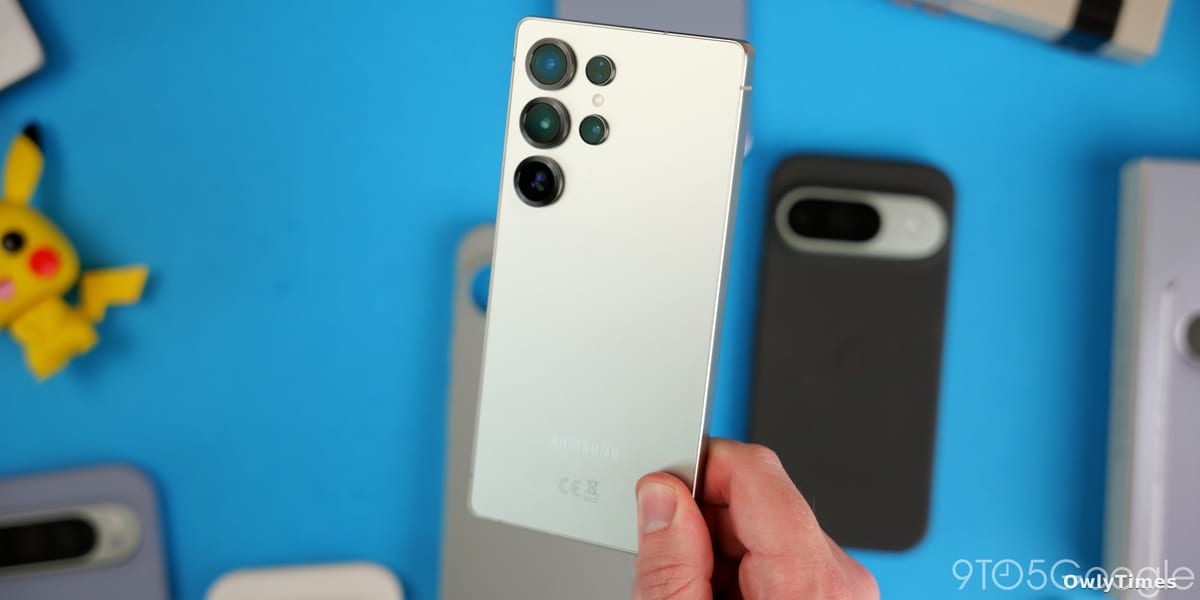

Is your Samsung phone suddenly updating after months of silence? Don’t assume it’s a shiny new feature drop – it’s likely catching up on security patches it should have received ages ago. The recent, unexpected arrival of a Google Play system update on numerous Samsung Galaxy devices isn’t a sign of Samsung speeding up its software delivery; it’s a glaring admission of how badly things got out of sync, and a reminder that even the biggest Android players are at the mercy of Google’s update pipeline. The real story here isn't a proactive software push – it's a belated correction to a significant, and previously unexplained, lapse in security maintenance for millions of users.
For context, these updates vanished from Samsung devices around mid-2025. That’s a long time in the security world, equivalent to leaving your front door unlocked for over a year. While Google regularly pushes out Play system updates – crucial for patching vulnerabilities and improving Android’s core functionality – Samsung users were left in the dark. The sudden reappearance, hitting devices like the Galaxy Z Fold 7, is a 90mb download containing Google’s January security patch. Notice that’s January – Google’s Pixel phones are already on February’s patch. The timeframe is almost irrelevant given the extended drought.
Source material: 9to5Google.
The One UI 8 Bottleneck: What Went Wrong?
The cause of this update blackout remains officially “unknown,” according to reports, but the prevailing theory centers around conflicts with Samsung’s One UI 8. This latest version of Samsung’s Android skin may have created compatibility issues that prevented Google from distributing Play system updates. It’s a classic Android fragmentation problem: Samsung customizing the operating system so heavily that it interferes with Google’s efforts to maintain a secure base layer. This isn’t new, but the length of the disruption is. Samsung has long been criticized for slow updates, but this wasn’t a matter of slow rollout – it was a complete stop.
The impact extends beyond just security. Google Play system updates aren’t just about preventing hackers; they also deliver performance improvements, bug fixes, and new features that enhance the overall Android experience. Samsung users were effectively running a slightly older, less refined version of Android for over half a year, missing out on these incremental improvements. Consider that for the average user, these aren’t abstract technical details – they translate to a phone that might be slightly slower, more prone to crashes, or simply less enjoyable to use.
Beyond Samsung: A Systemic Android Problem
This isn’t solely a Samsung issue, though they’re currently the most visible example. The Android ecosystem is notoriously fragmented, with manufacturers prioritizing customization and features over timely updates. Google has been trying to address this with initiatives like Project Treble and Project Mainline, aiming to modularize Android and make updates easier to deploy. But these efforts haven’t fully solved the problem. The fact that Google’s own updates can be blocked by a manufacturer’s skin demonstrates the ongoing tension between control and consistency.
The situation is particularly concerning given the increasing sophistication of mobile threats. A delayed security patch isn’t just an inconvenience; it’s a window of opportunity for attackers. While Samsung’s Knox security platform offers some protection, it’s not a substitute for timely updates from Google. And the fact that the update is rolling out to devices on the stable version of One UI 8, but not beta builds, suggests Samsung is prioritizing stability for mainstream users – a sensible move, but one that leaves beta testers potentially exposed for longer.
The AI Distraction and Future Updates
Interestingly, this update arrives as Samsung aggressively promotes AI features in its upcoming Galaxy S26 line. The company is teasing “brightest” and “easiest” cameras powered by AI, even using AI to simulate low-light camera improvements in its marketing materials. This feels… deliberate. While AI is undoubtedly important, focusing on flashy new features while basic security maintenance lagged is a telling prioritization. It’s a reminder that marketing hype often obscures fundamental issues. Reports also indicate Samsung is facing increased costs for its Exynos chips, potentially driving up the price of the S26, further distancing the focus from core user experience.
Here’s what to watch for: over the next month, pay attention to whether this January patch is followed by a consistent stream of updates. If Samsung can’t re-establish a regular cadence for Google Play system updates, it will signal a deeper, systemic problem. The question isn’t just if they can fix the technical issues with One UI 8, but if they’re willing to prioritize consistent security and performance over chasing the next AI-powered gimmick. If February’s patch doesn’t arrive on time, consider it a sign that the January update was a one-off fix, not a return to normalcy.