
The $150 Question: How AI is Forcing Samsung’s Hand
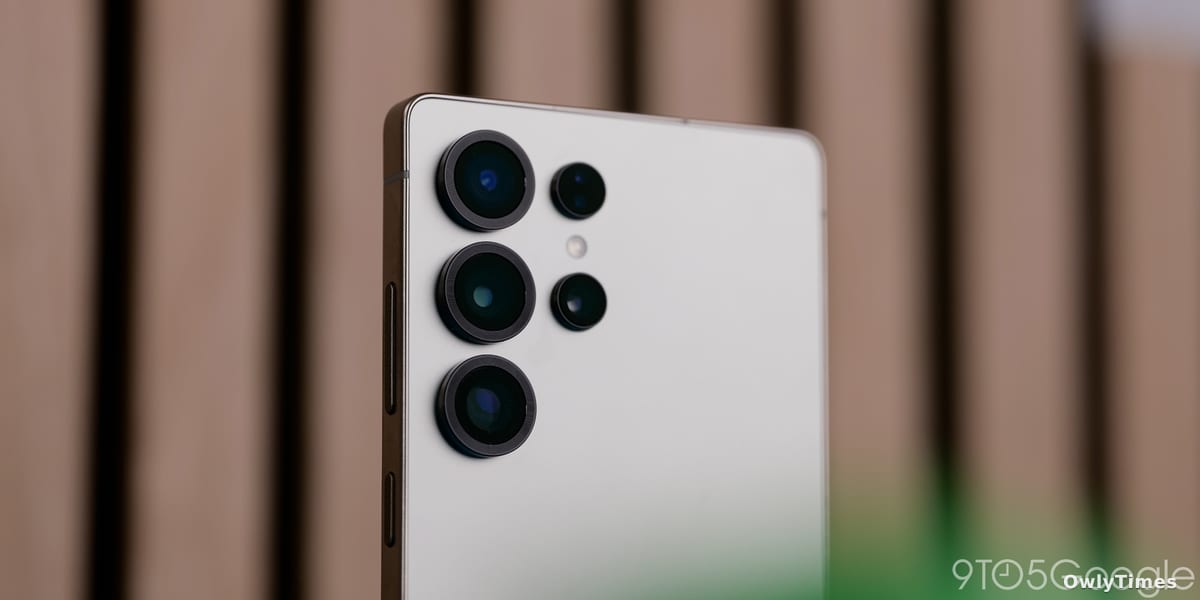
A 17.3% year-over-year surge in high-bandwidth memory (HBM) prices is the quiet force behind Samsung’s impending price hike on the Galaxy S26, signaling a broader shift in the smartphone market where manufacturers can no longer absorb escalating component costs. While headlines focus on the Galaxy S26, the real story isn’t about a single phone – it’s about the collision of consumer electronics demand with the insatiable appetite of the artificial intelligence industry for specialized chips. Follow the money, and you’ll find that Samsung isn’t raising prices because it wants to, but because it has to, a situation years in the making.
Source material: 9to5Google.
The current predicament stems from a deliberate strategy employed by Roh Tae-moon, Samsung’s head of mobile, in 2025. Faced with rising global costs, he opted to maintain Galaxy S25 pricing consistent with the S24 series, effectively absorbing increased expenses to maintain sales volume. This decision, initially lauded, proved sustainable only because the full extent of the AI-driven chip shortage hadn’t yet materialized. The S25 did see a “massive increase in sales,” but that success came at a cost to Samsung’s margins, a buffer now exhausted. Industry data shows that smartphone manufacturers typically operate on profit margins between 15-25%; squeezing those margins further risks eroding profitability and market share.
The core issue isn’t simply inflation, but a fundamental reallocation of resources within the semiconductor industry. RAM manufacturers, including Samsung, are increasingly prioritizing the production of HBM – essential for training and running AI models – over standard RAM used in smartphones. This shift reduces the supply of smartphone-grade memory, driving up prices. While Samsung manufactures its own Exynos processors, the company is demonstrably unable to leverage that internal production for cost savings, a fact bluntly acknowledged in recent reports. This suggests internal pricing structures aren’t competitive with external suppliers like Qualcomm, whose Snapdragon 8 Elite Gen 5 will power the US variant of the S26.
The geographic split in processor choice – Exynos for Europe, Snapdragon for the US – highlights a complex dynamic. Samsung isn’t likely to implement localized pricing strategies, meaning European consumers will feel the pinch of increased memory costs even if their phones use an in-house processor. This is a departure from past practices where regional pricing adjustments were more common. The expectation that Samsung might eliminate the free storage upgrade benefit, a consumer incentive directly tied to storage component costs, further underscores the pressure on margins. Maintaining that benefit, even as storage prices climb, would represent a significant concession to consumers, signaling the severity of the situation.
The looming question isn’t if the Galaxy S26 will be more expensive, but by how much and which models will bear the brunt of the increase. Reports suggest the S26 and S26+ may see price hikes, while the Ultra could remain at its current price point. However, even holding the Ultra’s price steady won’t mask the broader trend. Samsung’s move isn’t an isolated incident; it’s a harbinger of price increases across the smartphone industry as manufacturers grapple with the escalating costs of essential components.
What this means for your wallet: prepare for a potential $150-$200 increase on the base models of the Galaxy S26. More importantly, consider whether the current generation of smartphones offers sufficient value to delay an upgrade. The real test will be whether Apple follows suit with its own pricing strategy. If Apple maintains current pricing for another year, Samsung risks losing market share despite the technological advancements in the S26. Watch closely on February 25th – Samsung’s launch event will reveal not just the price of a new phone, but a glimpse into the future of smartphone affordability in the age of AI.