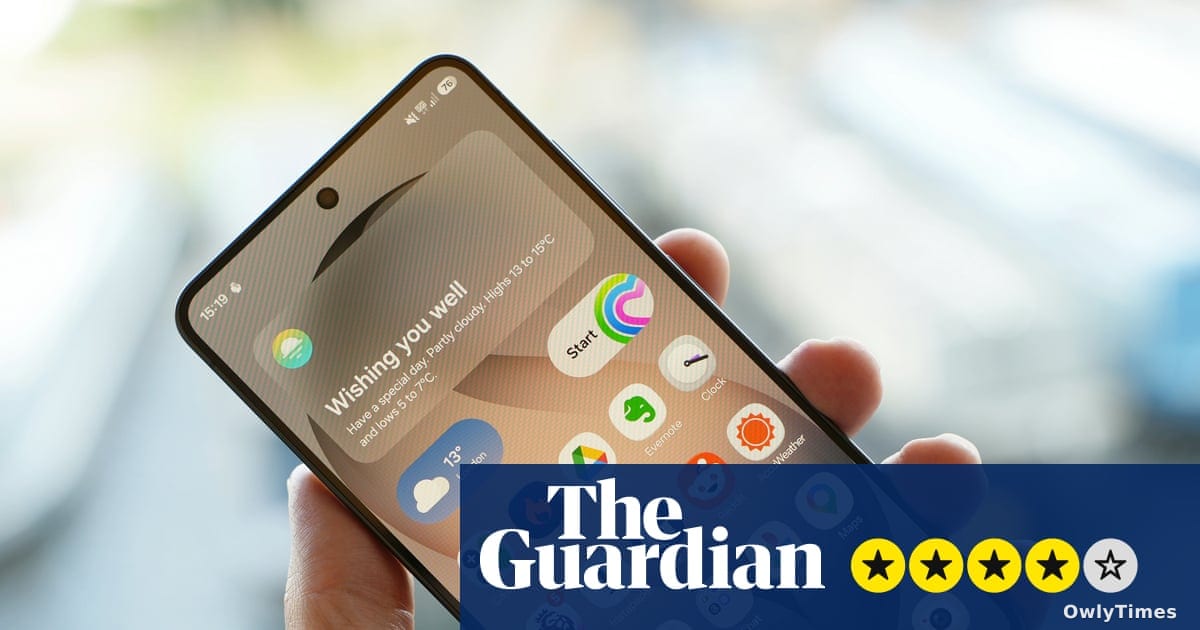

Is your smartphone becoming a stagnant status symbol, or is it just waiting for a hardware mid-life crisis? As Samsung prepares for its upcoming Galaxy Unpacked event on July 22, the industry is bracing for a shift that feels less like a leap forward and more like a tactical shuffle. The real story here isn’t the incremental hardware updates—it’s Samsung’s desperate attempt to redefine the "shape" of mobile productivity in a market where even its own flagship Galaxy S26 has seen its camera technology plateau since 2022, according to The Guardian.
While the S26, priced at $899, offers a reliable, lightweight experience with a 6.3-inch display, it serves as a stark reminder that we have reached peak "candy bar" phone. Both Engadget and The Verge confirm that the company is shifting its primary focus to London for the July 22 launch, using the tagline "A new shape unfolds." This event is expected to feature a radical departure for the company’s foldable lineup, specifically targeting a wider aspect ratio for its book-style devices to better compete with rivals like Huawei.
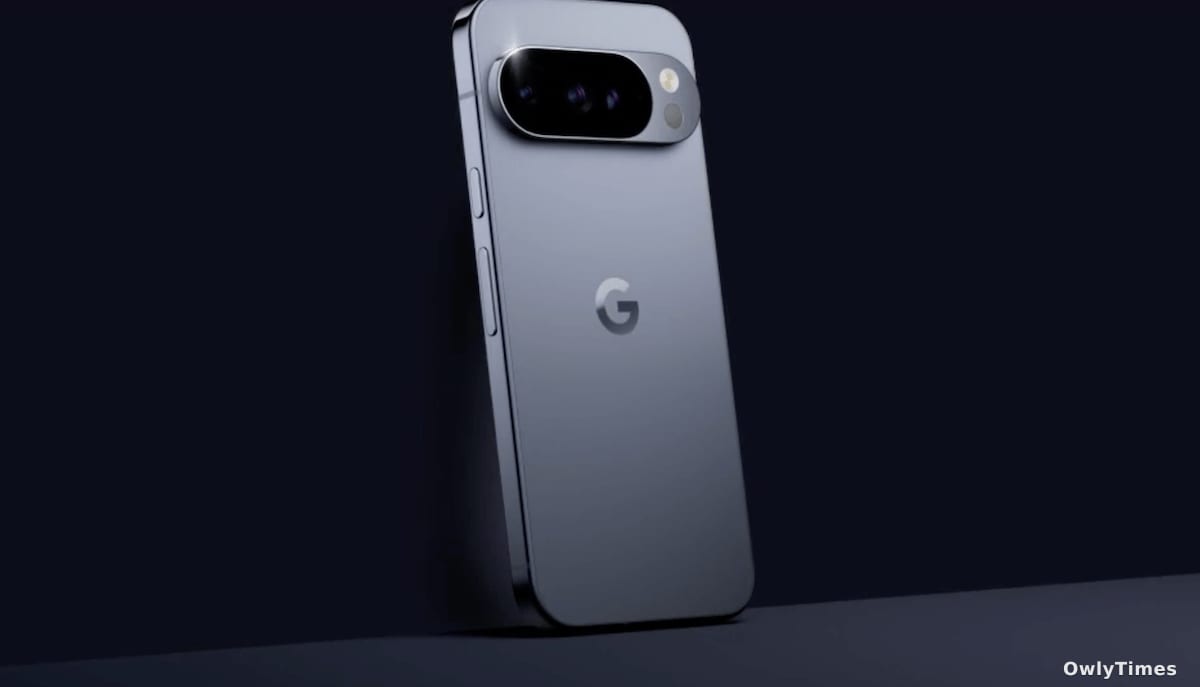
The strategy here is a classic tech industry pivot: when you can’t make the glass much better, change the orientation of the screen. The Verge highlights that Samsung is leaning into a "shorter and wider" format, a move seemingly designed to address long-standing user complaints about the narrowness of current folding screens. Engadget offers a more cautious outlook, noting that while a base Galaxy Z Fold 8 might receive this wider display, it could potentially sacrifice a camera lens to keep manufacturing costs down. This creates a fascinating divergence: a new, experimental form factor sitting alongside a potential Galaxy Z Fold 8 Ultra, which is expected to retain the premium three-camera array.
For the average user, these shifts matter because they signal the end of the "one-size-fits-all" flagship era. We are entering a period where hardware is being segmented by shape rather than just internal specs. While Samsung is betting big on the Z Fold 8 series and a likely refresh of the Galaxy Z Flip 8, the company is reportedly hindered by a global RAM shortage, which Engadget suggests is making major, across-the-board hardware upgrades cost-prohibitive for this year’s cycle.
This fragmentation is why your next phone purchase feels more like a gamble than a sure bet. If you prefer the comfort of a standard handset, the S26 offers longevity—with software support promised until February 2033—but it lacks the cutting-edge hardware evolution of the folding line, according to The Guardian. Conversely, the foldables are getting weirder and more expensive, yet they are the only category where Samsung is showing genuine innovation.
Looking ahead, the clearest signal for consumers isn't the hardware itself, but the company’s aggressive push for early adoption. Samsung is already offering a $30 credit for users who register for reservations ahead of the July 22 event, which begins at 9 AM ET. Whether the wider foldable becomes the new standard or remains a niche experiment will be decided by how many users are willing to pay for a "new shape" that fundamentally changes how they hold their digital lives.