
$2,899 and Counting: Samsung’s Scarcity Strategy and the Future of Foldable Demand
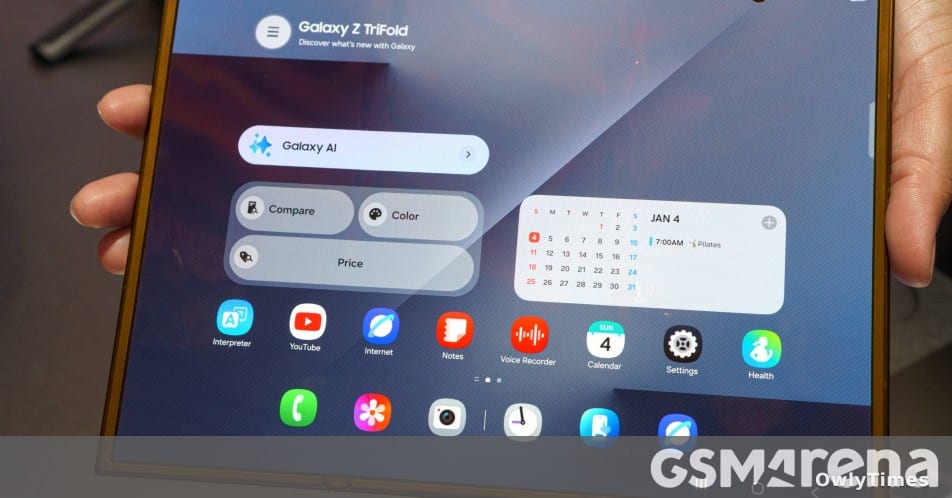
A mere 26 days after its initial US launch, the Samsung Galaxy Z TriFold 5G is heading for a second, highly constrained restock this Friday, February 20th, at 10 AM Eastern. This isn’t a typical product cycle; it’s a calculated demonstration of demand exceeding supply, and a signal of how Samsung is navigating the nascent foldable market. The speed of the initial sell-out – minutes, according to reports – isn’t just a win for marketing, it’s a data point revealing a willingness to pay premium prices for cutting-edge, albeit limited, technology. Follow the money, and it leads to a deliberate strategy of exclusivity.
The Economics of Artificial Scarcity
The Galaxy Z TriFold 5G, priced at $2,899 for the 512GB/16GB RAM configuration, occupies a unique position. This price point is 71% higher than Samsung’s flagship Galaxy S24 Ultra (starting at $1,299), and nearly double the average selling price of a premium smartphone in Q4 2023 ($1,550, according to Counterpoint Research). Yet, despite this significant premium, the initial stock vanished almost instantly. This suggests that Samsung isn’t targeting mass-market adoption with the TriFold; it’s appealing to a niche segment – early adopters and tech enthusiasts – willing to pay a substantial markup for exclusivity. The limited availability amplifies this effect, turning the device into a status symbol. This isn’t a new tactic – luxury brands have long employed scarcity to drive demand and maintain brand prestige.
See the original gsmarena.com story for the full account.
Supply Chain Realities or Strategic Restraint?
Samsung has offered no public explanation for the limited stock, simply stating they haven’t indicated a change in stock levels. While supply chain constraints are a plausible explanation – foldable display technology remains complex and expensive to manufacture – the timing is suspect. The launch followed a period of reported component sourcing challenges for other foldable models, yet Samsung simultaneously ramped up production of the more affordable Galaxy Z Flip5. This discrepancy suggests a deliberate decision to restrict TriFold availability, rather than a purely logistical issue. Industry analyst Ming-Chi Kuo noted in a recent report that “constrained supply of ultra-premium foldable devices is a deliberate strategy to maintain high margins.” This aligns with the observed behavior, where Samsung appears to be prioritizing profitability over volume.
Beyond the Hype: What Drives Foldable Demand?
The appeal of the TriFold isn’t solely about novelty. The device offers a unique multi-screen experience, potentially boosting productivity for professionals and offering immersive entertainment options. However, the market for multi-foldable devices remains exceptionally small. IDC estimates that shipments of foldable phones reached 9.2 million units globally in 2023, representing just 0.8% of the overall smartphone market. The TriFold, with its higher price and limited availability, likely represents a fraction of that figure. The question is whether Samsung is genuinely gauging demand for this form factor, or simply capitalizing on the hype surrounding foldable technology. The company’s silence on production capacity makes a definitive answer difficult.
What this means for your wallet
The Galaxy Z TriFold 5G’s restock isn’t about providing access to a revolutionary device for everyone; it’s a test of how much consumers will pay for exclusivity and cutting-edge technology. If you’re considering purchasing one, be prepared to act immediately at 10 AM Eastern on Friday. But more importantly, watch whether Samsung announces increased production capacity in the coming weeks. A continued scarcity will signal a long-term strategy of maintaining high prices and limited availability, while a sudden influx of stock would indicate a shift towards broader market penetration. The real question isn’t if you can get a TriFold, but what Samsung’s next move reveals about the future of foldable devices – and whether the price will ever come down.