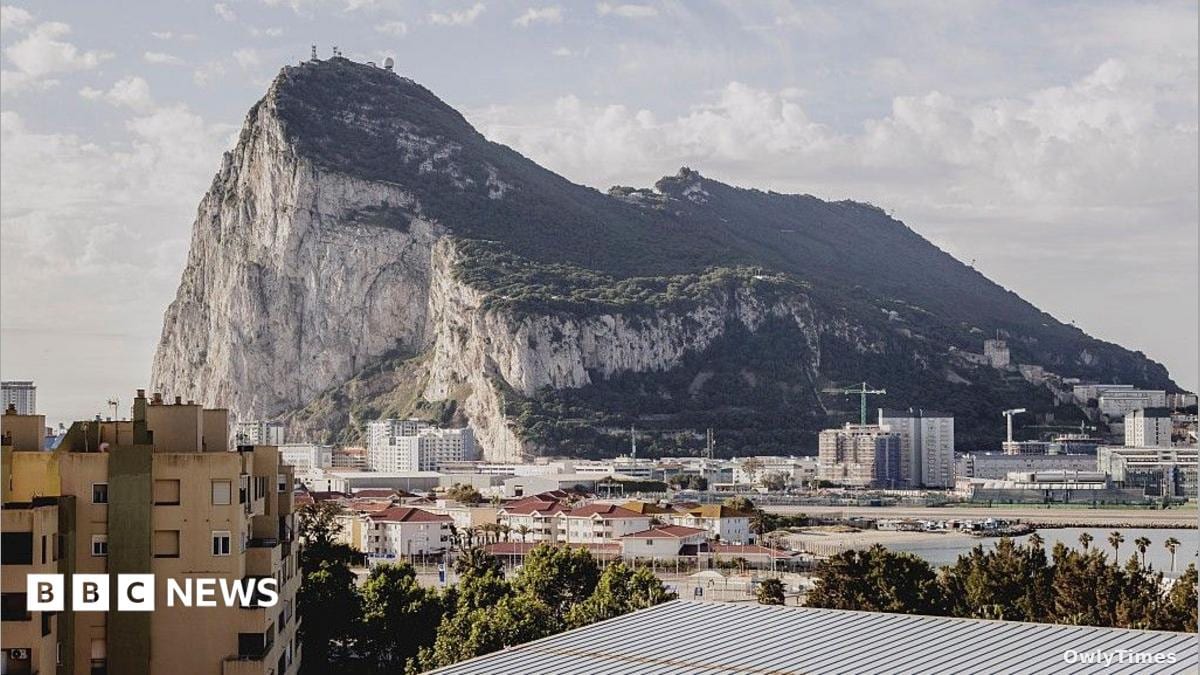

Does the removal of a physical border actually bridge a divide, or does it just change the nature of the red tape? As the 118-year-old border fence separating Gibraltar from Spain comes down, the tech-obsessed world might be tempted to view this as a simple "upgrade" to regional connectivity. But the real story here isn't just the demolition of the Verja; it’s the transition from a physical barrier to a digital and regulatory one.
The agreement, formally signed in Brussels by European Commissioner for Trade Maros Sefcovic, UK Minister of State for Europe Stephen Doughty, Spanish Foreign Minister José Manuel Albares, and Gibraltar Chief Minister Fabian Picardo, marks the end of years of post-Brexit uncertainty, according to The Independent. While the physical fence is being dismantled, the agreement introduces a new, complex layer of invisible checks. For the 15,000 daily commuters who traverse the frontier, the removal of the physical barrier is meant to facilitate "complete and utter fluidity," as described by Picardo to the BBC.
However, "fluidity" is a relative term in the world of border security. While the physical queue may vanish, The Independent reports that UK travelers entering Gibraltar will face a new, high-tech reality: the Entry-Exit System (EES). This involves registering both fingerprints and facial biometrics upon the first crossing into the Schengen area, with subsequent trips requiring at least one biometric verification. It is a reminder that in the modern era, you rarely truly eliminate a border; you just replace the concrete with a database.
The economic implications are as stark as the technology is intrusive. Juan Franco, the mayor of La Línea de la Concepción, highlighted to the BBC that local businesses rely on Gibraltar for a third of their income, making the border’s removal a potential lifeline for an area suffering from nearly 30% unemployment. Yet, the price of this openness is a shift in fiscal regulation. Gibraltar will implement a new transaction tax starting at 15% and rising to 17%, replacing previous import duties. John Isola, managing director of the Anglo Hispano Company, noted that while the business community is relieved to avoid a hard border, there is legitimate nervousness regarding the increased paperwork and the pressure to comply with EU standards, which he views as a challenge for any importer.
Politically, the parties are playing a delicate game of semantics. While the border is physically opening, Euronews reports that Albares insisted Spain is "not changing a single comma" of its sovereignty claim over the territory. The UK Foreign Office similarly maintains that the deal "safeguards British sovereignty," according to The Independent. It is the ultimate geopolitical workaround: agreeing on the flow of people and goods while carefully preserving the conflicting narratives of who actually owns the land.
The next phase of this transition will be a stress test of infrastructure rather than diplomacy. As the provisional implementation begins, watch for the inevitable "teething issues" as the EES biometric systems are deployed at the frontier. If the transition follows the pattern of previous large-scale digital border rollouts, expect the initial weeks to be marked by confusion and localized delays as travelers and systems sync up, proving that even in a "new era," the friction of moving between two worlds is rarely eliminated—it just migrates to the screen.