
As France commemorates the 1789 storming of the Bastille, the nation finds itself balancing a historic display of European military cohesion against the backdrop of an environmental crisis. While the traditional national holiday typically serves as a celebration of French republican values, this year’s events were defined by a massive military procession in Paris and the stark reality of climate-driven wildfires that forced the cancellation of festivities across the country.
A Unified Front on the Champs-Élysées
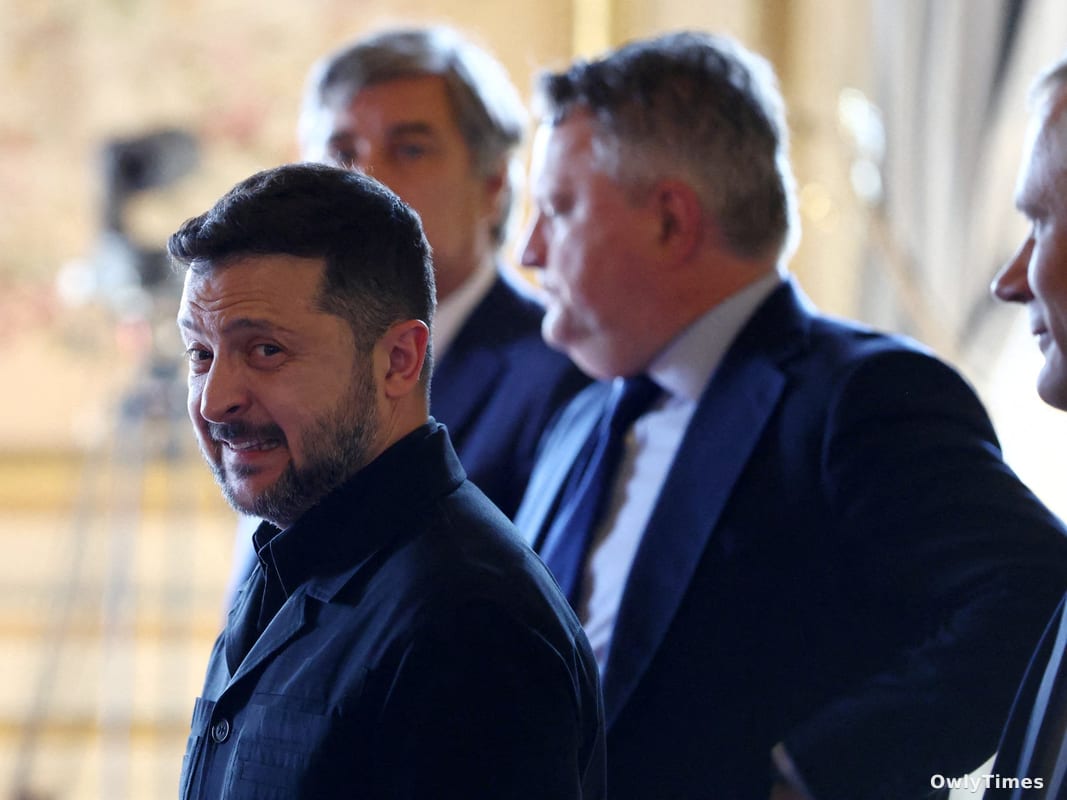
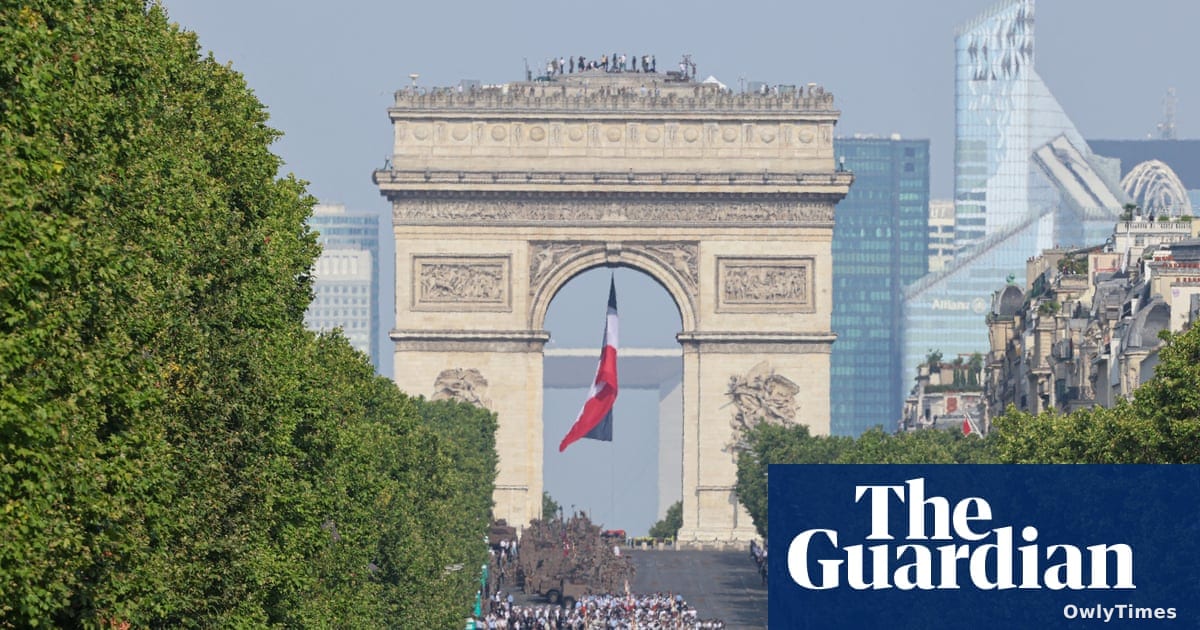
The annual military parade, presided over by President Emmanuel Macron in his final term, took on a distinct geopolitical character this year. According to The Guardian, the event served as a centerpiece for the "coalition of the willing," with roughly 500 soldiers from allied nations marching alongside French troops. Both The Guardian and The Independent confirm the presence of Ukrainian President Volodymyr Zelenskyy, alongside leaders such as British Prime Minister Keir Starmer and German Chancellor Friedrich Merz.
The scale of the parade was unprecedented. The Independent reports that 6,800 troops participated, a figure slightly higher than the 6,700 reported by The Guardian. This display of force—which included 98 aircraft and 315 vehicles—was explicitly intended to signal Europe’s "strategic awakening" in response to the ongoing war in Ukraine.
Environmental and Security Strains
While the parade proceeded, the country grappled with its third heatwave of the summer, with temperatures reaching the high 30s. The Guardian notes that approximately 850 firefighters were deployed to battle wildfires in the Fontainebleau forest, which had consumed 2,050 hectares by Tuesday. These conditions necessitated the cancellation of many regional fireworks and traditional firefighters' balls, though the Eiffel Tower display took place on Monday.
The investigation into the Fontainebleau fires has led to six arrests, including a volunteer firefighter, according to The Guardian. The interior minister, Laurent Nuñez, stated that 32,000 hectares have burned across France this year—a figure that already exceeds the total land burned during the entire 2025 season. This data underscores the growing intensity of wildfire seasons, which experts increasingly link to human-caused climate change.
Sporting Milestones Amidst the Holiday
Beyond the political and environmental news, Bastille Day also saw significant activity in the cycling world. As reported by the BBC, cyclist Tadej Pogacar extended his lead in the Tour de France during stage 10. While headlines may focus on the celebratory nature of his win, the data reveals a tactical struggle: Pogacar now leads defending champion Jonas Vingegaard by three minutes and 36 seconds.
Scientific Perspective and Future Outlook
It is important to distinguish between the immediate, observable impacts of this year's holiday—such as the arson arrests and military turnout—and the broader climate trends described by officials. The current fire data is a specific, measurable metric of an evolving hazard, rather than a singular anomaly. A critical limitation to consider is that the causes of the current wildfires are still under active investigation by public prosecutors; while human activity is confirmed as a factor, the broader impact of the heatwave on fire susceptibility remains a complex, multi-variable issue.
Looking ahead, the next significant trigger for the French government will be the response to the ongoing heatwave and the containment of the remaining forest fires. Monitoring the upcoming wildfire statistics released by the Interior Ministry will be essential to understanding whether the 2026 season will set a record for total hectares burned, providing a clearer picture of the environmental challenges facing the country in the coming years.