
Beyond the Headlines: Understanding the Grant County Measles Cases and the Shifting Landscape of Vaccine Protection
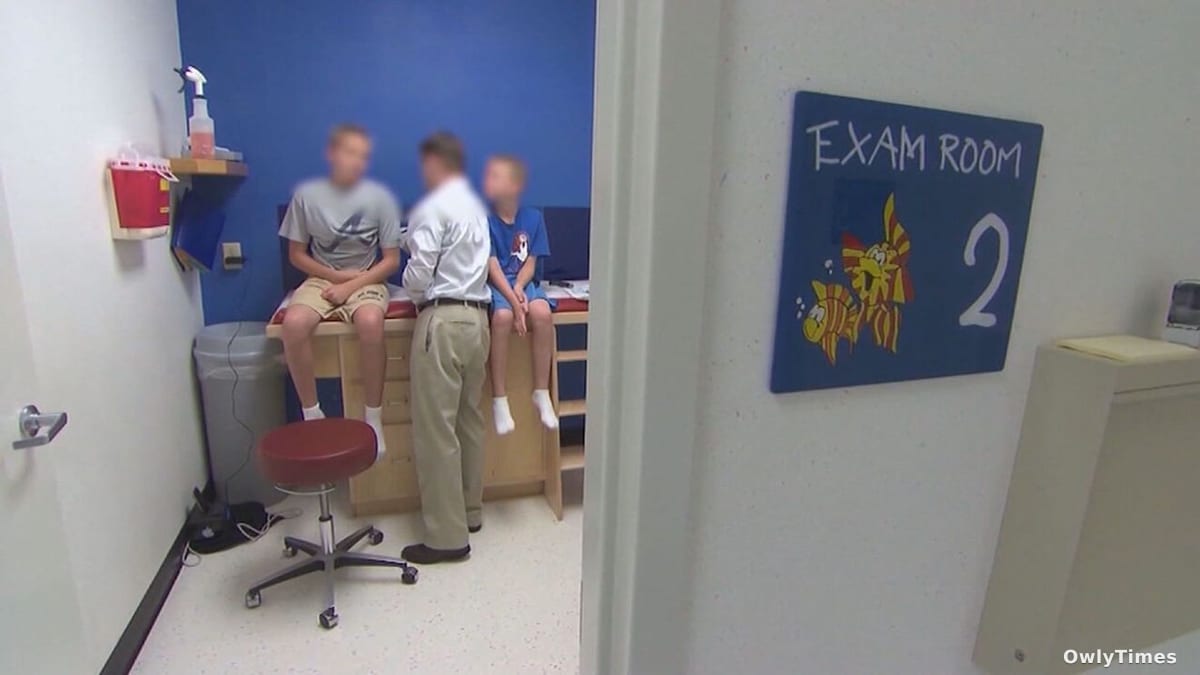
The recent confirmation of measles in two unvaccinated children in Grant County, Washington, isn’t simply a return of a “childhood disease,” as some headlines suggest. It’s a stark reminder that the protective bubble afforded by high vaccination rates is not impenetrable, and that localized outbreaks can – and do – occur even within states with generally strong immunization coverage. While Grant County Health Officer Alexander Brzezny assures the public that the overall risk remains low due to existing immunity, the situation demands a closer look at where vulnerabilities exist and how we measure protection in an era of evolving public health challenges. The cases, linked to recent international travel and identified on March 17th, highlight the ongoing threat posed by imported infections and the critical importance of maintaining robust surveillance systems.
This article draws on reporting from komonews.com.
The Grant County Health District has identified potential exposure locations – Confluence Direct Care (March 7th), Samaritan CareToday (March 10th), and the Samaritan Emergency Department (March 11th & 12th) – urging anyone unvaccinated or unsure of their status who visited these sites during specified times to monitor for symptoms. It’s crucial to understand that the timeframe for potential illness, between March 14th and April 2nd, isn’t arbitrary. Measles has an incubation period of roughly 10-14 days, meaning symptoms won’t appear immediately after exposure. This delay underscores the difficulty in containing outbreaks; individuals can unknowingly spread the virus before realizing they are infected. The two-hour buffer added to the listed times at each location reflects the virus’s airborne transmissibility – measles can linger in the air for up to two hours after an infected person has left a space.
The reported 97% effectiveness of two doses of the MMR vaccine is often cited, and rightly so. However, this figure represents efficacy in controlled clinical trials. Real-world effectiveness can vary depending on factors like individual immune response and the timing of vaccination. More importantly, the 3% failure rate, while seemingly small, translates to a tangible risk for those who remain unvaccinated, particularly in concentrated settings like healthcare facilities. The fact that one child required hospitalization, though both are now recovering at home, serves as a potent illustration of measles’ potential severity. Complications can range from ear infections and diarrhea to pneumonia, encephalitis (brain swelling), and even death. These risks are disproportionately higher for infants under six months, pregnant individuals, and those with compromised immune systems.
What’s often missing from the conversation is the nuance surrounding “immunity.” The Grant County Health District defines immunity based on vaccination records or laboratory confirmation of past infection or immunity, with a notable exception for those born before 1957. This cutoff date stems from the widespread measles circulation prior to the vaccine’s introduction in 1963, presuming most individuals born before then were naturally infected and therefore immune. However, this assumption is increasingly questioned. Recent studies suggest waning immunity in some older adults, particularly those who experienced only mild cases of measles as children. For healthcare workers born before 1957, the district rightly requires documented proof of immunity, acknowledging the heightened risk of exposure and transmission in clinical settings. This highlights a growing tension between historical assumptions about immunity and the need for more rigorous, individualized assessment.
Limitations to Consider
It’s important to acknowledge the limitations of this situation. The data currently available focuses on two confirmed cases within a single household. While this suggests a clear source of infection – likely travel-related – it doesn’t provide insight into broader community immunity levels beyond vaccination rates. Furthermore, the health district’s assessment of “low risk to the general public” relies on the assumption that a “high percentage” of residents are vaccinated. Quantifying this percentage and identifying specific pockets of unvaccinated individuals would provide a more accurate risk assessment. The reliance on self-reported vaccination records through platforms like MyIR Mobile also introduces potential for inaccuracies.
Looking Ahead: Beyond Reactive Measures
The Grant County outbreak should prompt a broader conversation about proactive strategies to bolster measles prevention. Simply urging people to “check their vaccination records” is insufficient. Public health campaigns need to actively address vaccine hesitancy, combat misinformation, and improve access to vaccination services, particularly in underserved communities. Future research should focus on evaluating the durability of immunity conferred by the MMR vaccine over the lifespan, and exploring the potential need for booster doses in specific populations. Perhaps most critically, we need to invest in strengthening global measles surveillance and elimination efforts. As long as measles circulates anywhere in the world, it remains a threat everywhere, and localized outbreaks like the one in Grant County will continue to serve as a sobering reminder of our collective vulnerability. The question now isn’t if another outbreak will occur, but when – and whether we will be adequately prepared to respond.





